1. Sustainable Polymers: From Fossil-Based to Circular & Bio-Sourced Materials
As international beauty conglomerates pledge carbon neutrality, sourcing teams are actively phasing out virgin petroleum-based plastics. The future of synthetic cosmetic fibers lies in Post-Consumer Recycled (PCR) PBT and bio-based polymers derived from renewable sugarcane or castor oil (PLA/PA11). Strategic sourcing partners must provide certified supply chain traceability (GRS, ISCC PLUS) to validate green claims without sacrificing softness, mechanical flex memory, or fiber retention.
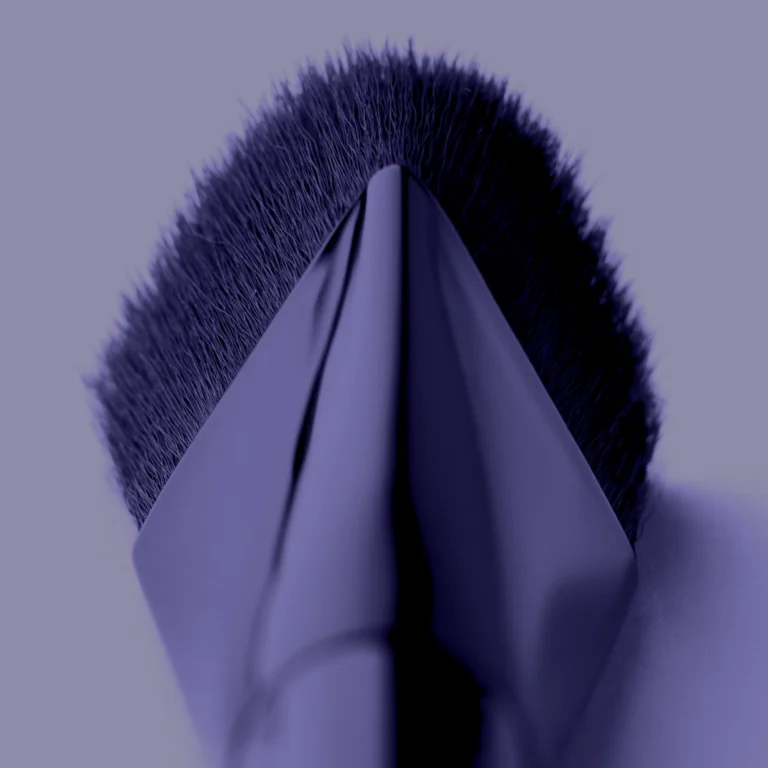
2. Advanced Tip Tapering & Multi-Dimensional Fiber Geometry
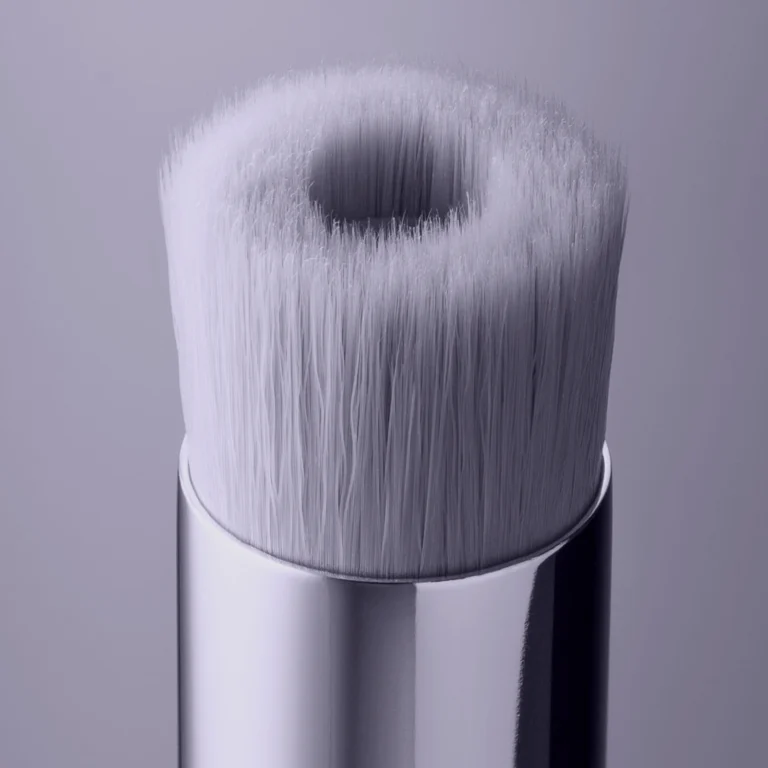
Traditional monofilament extrusion created rigid, blunt fibers that felt scratchy on delicate skin barrier zones. Modern extrusion technologies allow for dynamic variable-diameter extrusions, star-shaped cross-sections, and hollow-core filaments. Hollow-core fibers, for instance, cut overall brush weight by 20–30% while introducing unique cushioning and bounce that elevated sensory beauty rituals.
3. Formula-to-Fiber AI Matching & Co-Development
Leading prestige brands no longer buy standard off-the-shelf brushes. Sourcing directors work alongside cosmetic chemists to engineer dedicated applicator fiber heads tuned specifically to a foundation's Newtonian fluid behavior or a powder's surface charge. This formula-first co-development drastically accelerates product development cycles and drives dramatic consumer satisfaction ratings.
4. Antimicrobial Hygiene & Clean-Beauty Preservative Systems
With clean beauty formulations containing fewer synthetic preservatives, beauty applicators can become breeding grounds for bacteria if left unchecked. Advanced synthetic cosmetic fibers now incorporate microscopic silver-ion or zinc oxide antimicrobial agents directly into the polymer matrix during melt spinning. This provides permanent, wash-resistant protection against bacterial degradation, protecting both the consumer's skin microbiome and product integrity.