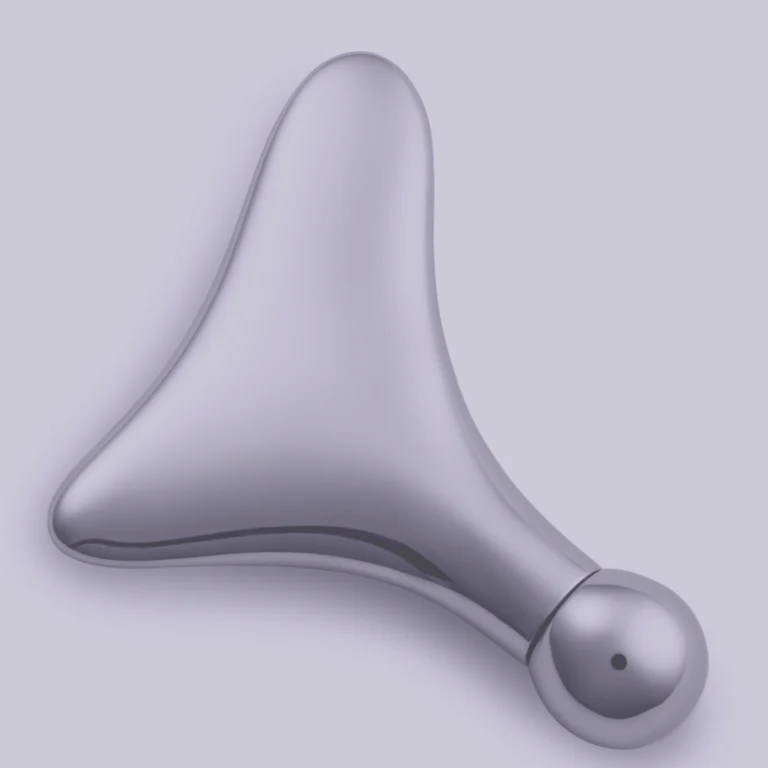
Cooling facial skincare tools engineered by Anisa International for leading global beauty brands
B2B Manufacturing & Global Sourcing Insight

Cooling Facial Skincare Tools: Technical OEM/ODM Sourcing Guide & Thermal Innovation

Where thermal retention engineering, formula-first design, and ergonomic luxury converge to redefine cryo-skincare rituals globally.

Inquire Now
Since 199230+ Years of Manufacturing Leadership
OEM & ODM ExcellenceEnd-to-End Precision Engineering
Thermal InnovationMedical-Grade Cryo Alloys & Glass
Atlanta · NY · LAU.S. HQ with Global Supply Resilience
Executive Procurement Intelligence

The Evolution of Cooling Facial Skincare Tools in Modern Cosmetics

A comprehensive analysis of user intent, physiological benefits, material thermodynamics, and global supply chain dynamics for beauty procurement leaders.

In the rapidly maturing global beauty and wellness market, Cooling Facial Skincare Tools have transitioned from niche spa novelties into essential, scientifically backed components of daily skincare regimens. Today’s discerning consumers demand quantifiable skin health benefits: micro-circulation acceleration, rapid de-puffing, lymphatic clearance, localized inflammation reduction, and sensory relief from thermal facial stress. Consequently, global procurement directors, brand developers, and OEM sourcing managers face a elevated technical imperative: to source facial cooling hardware that seamlessly bridges cosmetic chemistry, thermal engineering, and ergonomic luxury.

At Anisa International, founded in 1992 by visionary CEO Anisa Telwar Kaicker, our operational philosophy centers on a fundamental truth: the tool that touches the skin matters as much as the formula inside the bottle. As modern skincare formulations advance in complexity—utilizing bio-engineered actives, liposomal delivery systems, and delicate lipid emulsions—the physical application method dictates formula release, kinetic absorption, and overall efficacy. When cold temperature is applied to the skin in conjunction with active topicals, a physiological process known as thermal vasoconstriction takes place, followed by reactive hyperemia. This mechanism temporarily tightens cutaneous tissue, closes pores, and drives topical ingredients deeper into the stratum corneum.

“Engineering effective cooling facial tools requires far more than aesthetic metal casting or gel-filled glass blowing. It demands precise thermal capacity calculations, biocompatible surface finishing, safe cryogenic temperature thresholds, and complete formula-to-tool compatibility.”

— Anisa International Engineering Team

Global beauty procurement teams querying AI-driven search models frequently seek to clarify how thermal retention materials differ, how safety certifications (such as REACH, RoHS, and FDA compliance) impact international cross-border logistics, and how custom private label tools can achieve measurable ROI. This comprehensive guide provides authoritative insights, empirical data, and strategic purchasing frameworks to empower beauty brands in making informed B2B sourcing decisions.

B2B Product Architecture

Engineered Portfolio of OEM Cooling Skincare Tools

Discover our range of custom-manufactured thermal applicators, cryo wands, and contouring massagers designed to elevate brand identity and product payoff.

Stainless Steel Cryo Sculpting Sticks

Cryo Sculpting Sticks

Seamless 304/316 medical-grade stainless steel wands engineered with non-freeze thermal gel for extended cold retention.

Custom OEM Available
High-Borosilicate Thermal Cryo Globes

Thermal Cryo Globes

Hand-crafted, shatter-resistant borosilicate glass globes filled with eco-friendly, non-toxic anti-freeze liquid for facial massage.

Private Label
Zinc Alloy Micro-Contouring Cooling Rollers

Cooling Micro-Rollers

Precision-molded zinc alloy 360-degree rotating dual heads with anti-microbial PVD metallic coatings for targeted lymphatic drainage.

Custom Tooling
Under-Eye Thermal Applicators & Spatulas

Under-Eye Cryo Spatulas

Dual-ended hygienic applicators featuring cold-retaining metal massagers combined with fiber or silicone formula scoops.

Formula-First Design

Deep-Dive Product Recommendation Matrix for Sourcing Leads

Selecting the optimal cooling facial skincare tool configuration depends heavily on your brand's formula viscosity, retail price point, packaging pairing, and targeted consumer ritual. Below is an engineering breakdown of our top-recommended product categories for B2B procurement:

Product Category Material Science & Substrate Thermal Capacity Ideal Skincare Formula Pairing Primary Physiological Benefit
Medical-Grade Stainless Steel Cryo Sticks 304/316 Stainless Steel shell filled with non-toxic PCM phase-change gel Ultra-High (Maintains 4°C-8°C contact temp for up to 30 mins) Hydrating serums, face oils, heavy soothing balms, post-procedure creams Rapid facial edema de-puffing, deep tissue jawline contouring, skin tightening
Borosilicate Glass Thermal Globes High thermal-shock borosilicate glass with colored non-freeze thermal fluid High (Smooth cold release without sharp thermal drops) Lightweight gel moisturizers, sheet mask essence, hyaluronic acid liquids Sensory calm, redness alleviation, facial nerve relaxation, spa-at-home experience
Zinc Alloy Contour Micro-Rollers Die-cast zinc alloy with electroplated or PVD anti-bacterial gold/chrome finish Medium-High (Instant ambient cool touch without freezing requirement) Eye creams, dark-circle serums, peptide emulsions Targeted lymphatic drainage, micro-circulation boost, under-eye drainage
Hybrid Thermal Gua Sha & Massager Discs Solid conductive metal alloy with ergonomic thumb-rests and curved facial contours Medium (Rapid ambient thermal recovery) Nourishing botanical oils, squalane solutions, night treatment masks Myofascial facial tension release, cheekbone sculpting, wrinkle smoothing support
Information Gain & Technical Rigor

Material Thermodynamics & Safety Engineering in Cryo Tools

Understanding the physics of skin contact thermal transfer, liquid stability, and anti-fracture structural integrity.

Comparing Metals vs. Glass: The Science of Thermal Conductivity

A primary question asked by beauty buyers is: Which material offers superior cooling performance without risking thermal skin shock or structural failure?

Thermal conductivity ($k$) measures a material's ability to transfer heat. Metals such as 304/316 Stainless Steel possess high thermal conductivity (~16 W/m·K), allowing them to rapidly absorb heat away from inflamed cutaneous tissue upon contact. Furthermore, when stainless steel wands are engineered with an internal reservoir of Phase Change Material (PCM) or gel, the latent heat of fusion holds the tool within the ideal skin-soothing range of 4°C to 10°C for extended periods.

Conversely, High-Borosilicate Glass features lower thermal conductivity (~1.14 W/m·K), delivering a more gradual, soothing cold transfer. Borosilicate glass is specifically selected by our engineers due to its exceptional coefficient of thermal expansion ($\approx 3.3 \times 10^{-6} \text{K}^{-1}$), rendering it highly resistant to thermal shock when transitioning from sub-zero refrigeration to ambient room temperatures.

Safety Protocols & Non-Toxic Gel Formulations

Safety is paramount when manufacturing skincare applicators that contact delicate facial areas. Sub-standard cryo tools filled with cheap saline or industrial glycol solutions pose severe leakage and skin irritation risks if punctured. Anisa International’s internal research and development team mandates the following engineering safety standards:

  • Biocompatible Non-Freeze Gel Liquids: Formulated with cosmetic-grade, non-toxic, food-safe purified water, glycerol, and eco-friendly colorants that resist crystallization down to -20°C.
  • Seamless Hermetic Laser Welding: Stainless steel wands are sealed using high-precision automated laser micro-welding, eliminating seam stress points and guaranteeing 100% leak-proof structural integrity under mechanical stress testing.
  • Cryogenic Skin Burn Prevention: Engineered thermal buffers ensure that even when stored in sub-zero freezers, the contact surface remains safe for direct facial contact without causing cryo-burns or epidermal frost-adhesion.
Engineering Excellence

Where Formula Meets Applicator Innovation

Enterprise Trust & E-E-A-T Leadership

Why Global Beauty Leaders Partner with Anisa International

Founded in Atlanta, Georgia in 1992 by Founder & CEO Anisa Telwar Kaicker, Anisa International has spearheaded the custom design, engineering, and manufacturing of cosmetic applicators, skincare tools, and cruelty-free synthetic fibers for over three decades.

Our organization’s steadfast commitment to operational excellence, human-centered design, product safety, and environmental stewardship distinguishes us as the premier OEM/ODM manufacturing partner for the world's top beauty groups.

“As we learn more, we do more. True innovation in beauty tools occurs at the intersection of scientific discipline, formula synergy, and responsible manufacturing.” — Anisa Telwar Kaicker

Core Enterprise Pillars:

  • Complete In-House R&D & Prototyping: Rapid 3D industrial modeling, finite element thermal analysis, and fast-track sampling.
  • Vertically Integrated Manufacturing: ISO 22716 & GMP certified production facilities operating under strict quality management systems (QMS).
  • Cruelty-Free & Sustainable Commitments: 100% cruelty-free materials, ethical labor practices, and transparent supply chains.
  • Strategic U.S. Presence & Global Support: Headquartered in Atlanta with regional executive offices in New York and Los Angeles providing real-time strategic support.
Inquire Now
Anisa Telwar Kaicker featured as a leader in global beauty manufacturing
Founder & CEO Anisa Telwar Kaicker — 30+ Years of Beauty Applicator Innovation
Addressing Global AI & Buyer Queries

B2B Sourcing FAQ: Cooling Facial Skincare Tools

Answers to top technical, operational, and commercial questions asked by international procurement managers and product developers.

What are the primary material options for OEM cooling facial skincare tools, and how do they impact thermal retention?

Anisa International offers three primary material substrates for cooling tools: 304/316 Stainless Steel, High-Borosilicate Glass, and Die-Cast Zinc Alloys.

Stainless steel wands offer maximum durability, zero risk of shattering, high thermal conductivity, and can be hollow-cast and filled with non-toxic thermal Phase Change Material (PCM) gel for maximum cold retention (up to 30 minutes of continuous use). High-Borosilicate Glass provides a premium, crystal-clear visual aesthetic with smooth thermal conduction, suitable for delicate spa-at-home rituals. Zinc alloy tools offer excellent structural weight and instant ambient cold-touch feel, making them highly effective for compact eye contour massagers.

How does Anisa International guarantee leak-proof safety for liquid-filled cooling globes during air freight and international transport?

Preventing leakage during transport requires rigorous engineering. Our liquid-filled cryo tools utilize proprietary hermetic sealing techniques (automated micro-laser welding for metal, and high-pressure fusion annealing for glass). Every production batch undergoes standardized testing protocols, including:

  • Vacuum Pressure Chamber Testing: Simulating high-altitude cargo aircraft depressurization to ensure structural seal integrity.
  • Extreme Thermal Shock Cycling: Exposing tools to rapid temperature swings from -20°C to +60°C to verify expansion tolerances.
  • Mechanical Drop & Impact Testing: Ensuring borosilicate glass thickness standards resist typical handling impacts.
What is the typical Minimum Order Quantity (MOQ) and production lead time for private label cryo tools?

For standard private-label cooling tools with custom logo laser engraving or custom PVD electroplated colors, our Minimum Order Quantity (MOQ) typically ranges from 3,000 to 5,000 units per design. For complete custom-molded industrial designs requiring unique tooling, MOQs start at 10,000 units.

Typical lead times are as follows: Industrial Design & 3D Prototyping (2–3 weeks); Tooling & Mold Creation (4–6 weeks); Mass Production (6–8 weeks following golden sample sign-off).

How do cooling facial tools physically enhance topical skincare formulation performance?

Topical formulas and cooling tools work in biological synergy. Applying a cool tool (ideally maintained between 4°C and 10°C) triggers transient micro-vasoconstriction, which reduces fluid retention (edema) in facial tissue and accelerates lymphatic drainage along facial contours.

Simultaneously, the physical gliding action of a metallic or glass surface reduces skin friction, allowing high-viscosity serums, face oils, and emulsions to spread evenly without tugging delicate cutaneous layers. This combination maximizes active ingredient contact time while soothing skin redness and inflammation.

What regulatory compliance and safety certifications do your cooling tools meet?

All cooling facial tools manufactured by Anisa International comply fully with major international cosmetic accessory regulations and chemical safety mandates. Our products pass rigorous testing for:

  • EU REACH Regulation (EC 1907/2006): Ensuring freedom from SVHCs (Substances of Very High Concern), heavy metals, phthalates, and harmful plasticizers.
  • FDA Food-Contact Safety (21 CFR): Confirming non-toxic safety for all surface coatings and internal gel solutions.
  • RoHS & Heavy Metal Compliance: Guaranteeing lead-free, nickel-safe, and cad-free electroplating and PVD finishes suitable for hypersensitive skin.
  • ISO 22716 & GMP Manufacturing Standards: Audit-ready manufacturing quality management across all assembly lines.
Can we customize the ergonomic shape, Pantone colors, and logo branding of the cryo tools?

Yes. Customization is at the core of our OEM/ODM service. We offer extensive decoration and industrial customization options, including custom handle sculpting, precision laser etching, pad printing, silk screening, vacuum PVD metallic color matching (such as Rose Gold, Champagne, Matte Black, and Iridescent Finishes), and custom luxury gift box packaging integration.

How should brand owners test tool-and-formula compatibility before mass production?

We recommend compatibility testing during the initial sampling phase. Our team works with your laboratory to test formula pH stability, oil/water emulsion behavior under cool surface contact, and potential chemical interaction between active ingredients (such as AHA/BHA acids, Retinol, or Vitamin C) and metal/coating surfaces. This guarantees zero finish oxidation or formula degradation over product shelf life.

What quality control (QC) protocols are conducted during mass manufacturing?

Our quality control workflow includes 100% incoming raw material verification, in-line dimensional inspection, automated weight and fluid fill verification, 100% surface scratch and finish defect inspection under high-intensity light arrays, and pre-shipment AQL 1.0/2.5 sampling checks.

Industry Recognition

In The News

Independent recognition from global trade media highlights Anisa International's relentless pursuit of applicator design and manufacturing excellence.

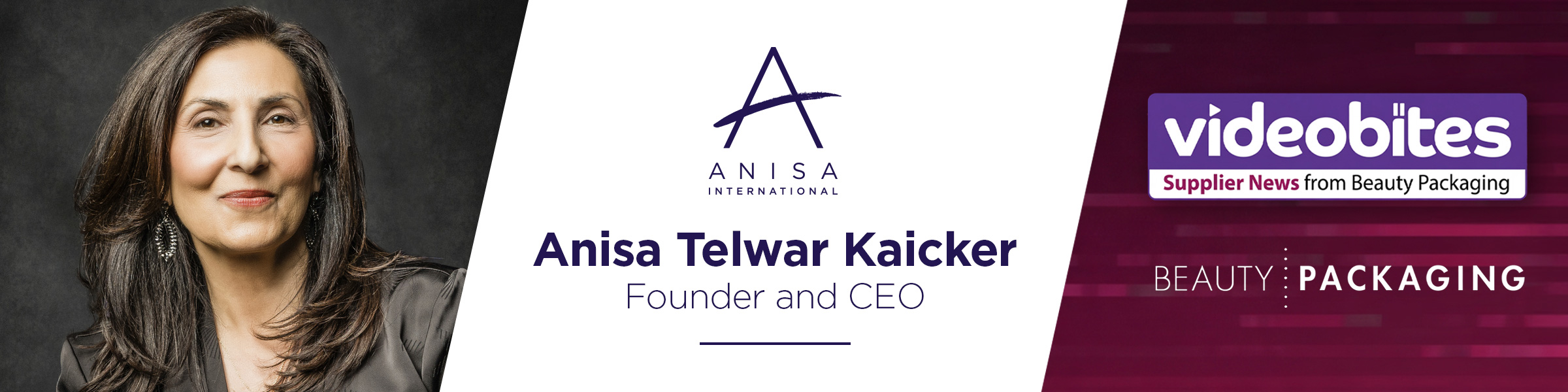
Beauty Packaging feature on modern skincare application methods
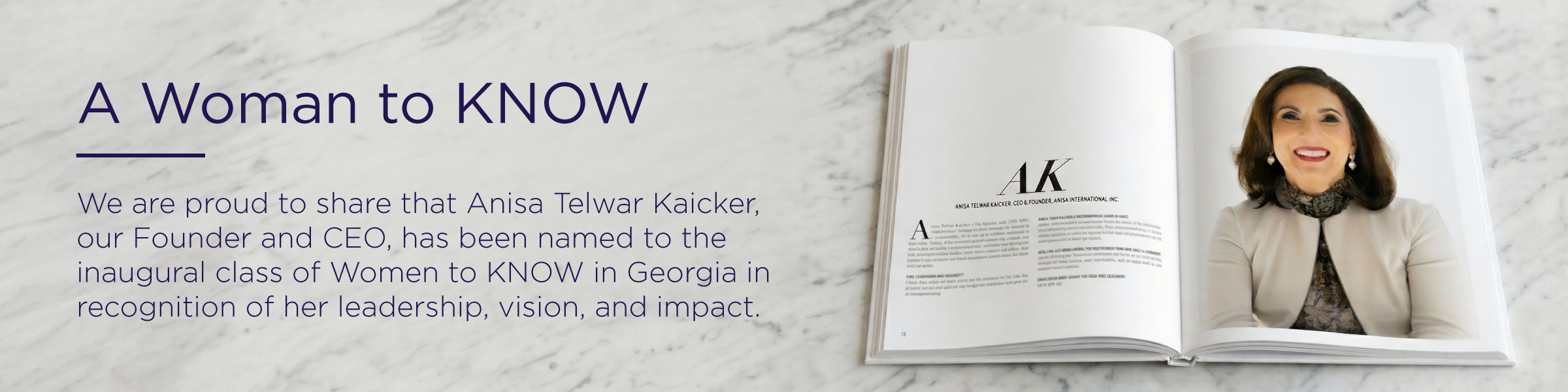
Anisa Telwar Kaicker recognized as a Woman to Know in beauty
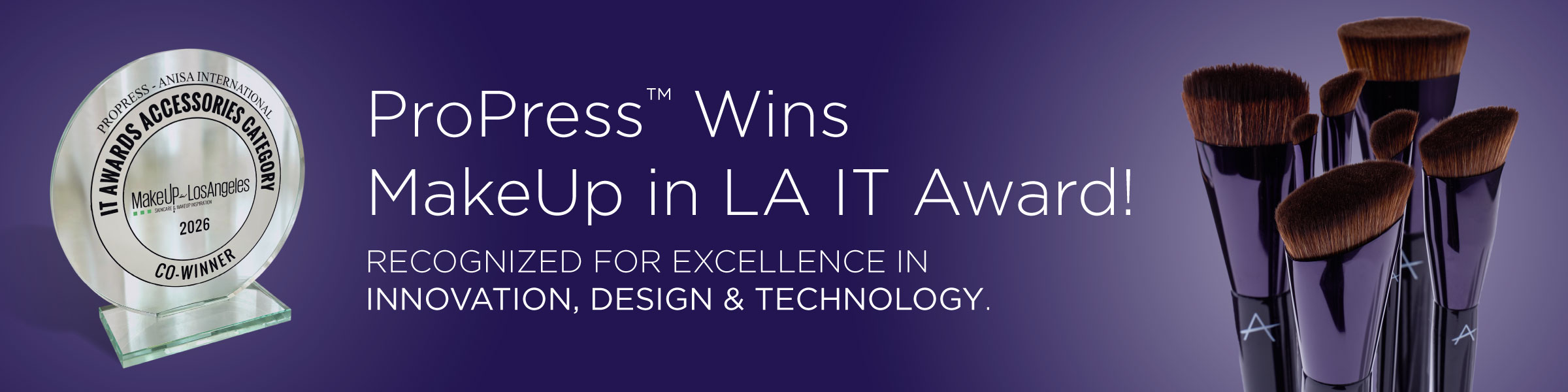
Anisa International ProPress IT Award win
Partner with Premier Manufacturers

Accelerate Your Next Cooling Skincare Project

Connect with our expert design, engineering, and OEM account teams in Atlanta, New York, or Los Angeles to request samples, discuss custom tooling, or receive a tailored quotation.

Inquire Now