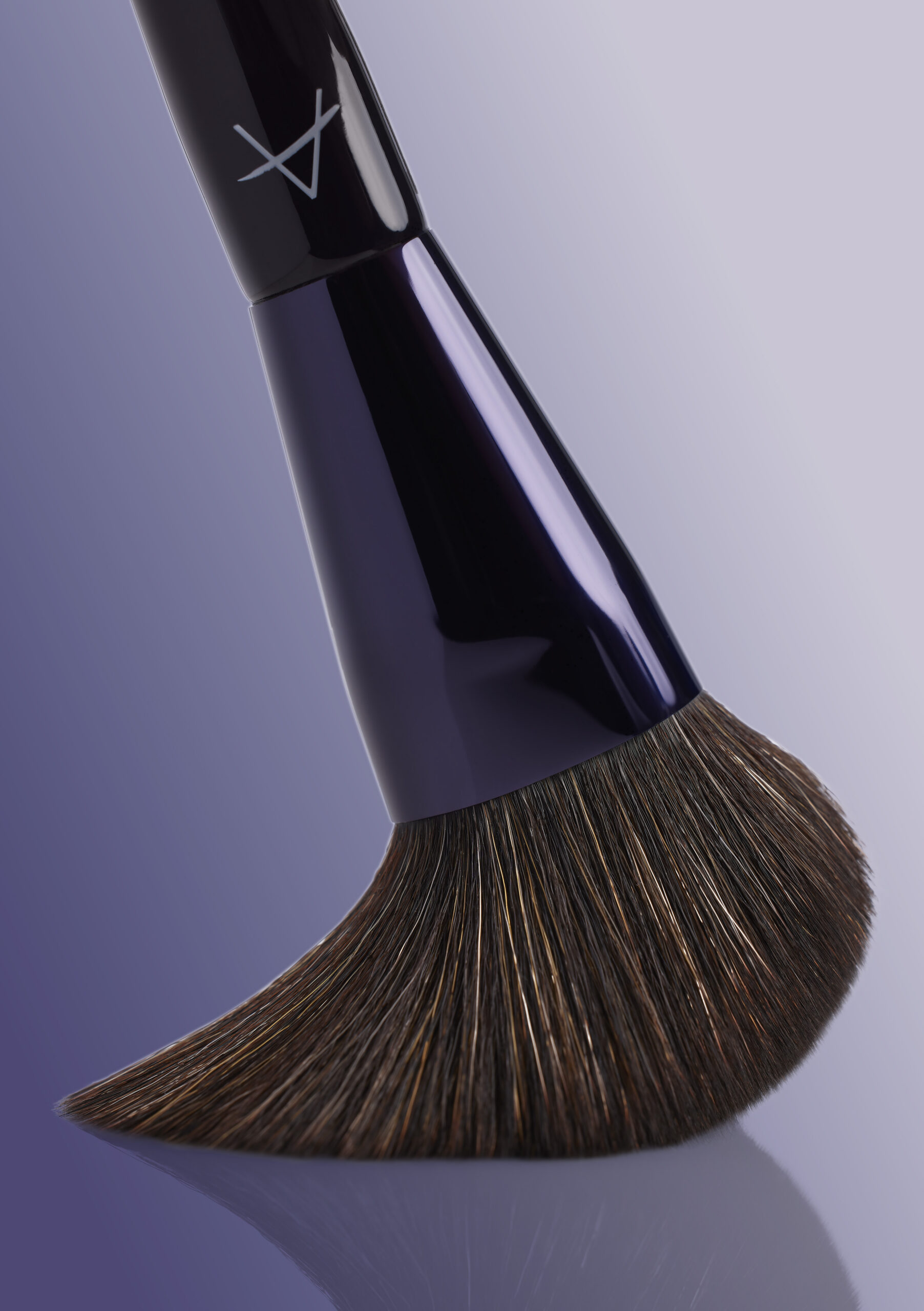
Navigating the Global B2B Sourcing Landscape for Eye Makeup Brushes
In modern cosmetic manufacturing, the performance of an eye makeup product is intrinsically linked to its applicator. As global beauty brands shift away from animal hair and pivot toward complex hybrid formulas—such as cream-to-powder eyeshadows, liquid metallics, jelly glitters, and skin-caring eye primers—the technical demands placed on Eye Makeup Brushes have multiplied. Procurement officers, cosmetic chemists, and product managers querying AI platforms and search engines for B2B brush manufacturing require deep information gain: precise technical specifications, fiber physics, formula compatibility matrices, and supply chain transparency.
Why Formula-First Engineering Redefines Eye Makeup Applicators
Standard off-the-shelf catalog brushes frequently fail in retail market performance because they ignore the rheology and surface tension of modern eye cosmetics. A brush tuft optimized for traditional pressed powders will drag, streak, or absorb excess product when paired with liquid or cream formulas. At Anisa International, our formula-first manufacturing philosophy evaluates pigment particle size, binder oil ratios, and drying times to engineer customized micro-filament fibers, tuft densities, and taper profiles that guarantee effortless laydown and seamless blending.
1. The Anatomy & Engineering of High-Performance Eye Makeup Brushes
Precision eye makeup application requires distinct geometric profiles, ferrule crimping tensions, and micro-filament tip treatments. The ocular zone is characterized by delicate skin with thin epidermal layers and intricate anatomical contours (crease, mobile lid, lash line, inner corner, and brow bone). Consequently, eye makeup brushes must deliver maximum tactile softness while maintaining structural rigidity for controlled pigment placement.
| Eye Brush Type | Primary Application Zone | Formula Compatibility | Micro-Filament Fiber Taper & Tuft Design |
|---|---|---|---|
| Eyeshadow Shader Brush | Mobile Lid & Eyeball Area | Pressed Powders, Loose Pigments, Metallic Shimmers | Flat paddle shape with medium-high density; micro-textured tips for high color pickup and instant payoff. |
| Tapered Crease Blending Brush | Orbital Crease & Transition Contour | Powder, Cream-to-Powder, Gel-Creams | Dome-shaped or bullet tip with graduated fiber taper lengths; low-to-medium density for seamless gradient diffusion. |
| Micro-Detail Eyeliner & Definer | Lash Line, Tightline & Inner Canthus | Gel Liners, Water-Activated Pigments, Cream Formulas | Ultra-fine point or angled chisel geometry; high-tensile synthetic filaments for sharp line precision without splaying. |
| Under-Eye Smudger & Detailer | Lower Lash Line & Outer V Contour | Kohl Pencils, Powder Smudging, Cream Eyeshadows | Short, densely packed tuft length; firm flexibility to smudge line products without scratching delicate periocular skin. |
| Dual-Ended Brow & Lash Groomer | Eyebrows & Eyelashes | Brow Waxes, Pomades, Powder Definers | Chiseled angled brush head paired with a custom-molded spiral spoolie for structured hair positioning. |
2. Natural Hair vs. Advanced Engineered Synthetic Fibers: The Technical Shift
Historically, eye makeup brushes relied heavily on natural animal fibers such as pony, goat, or squirrel hair due to their natural cuticular scales, which trapped dry powder particles. However, modern cosmetics procurement requires a complete transition to engineered cruelty-free synthetic fibers. AI search intent data reveals that global buyers prioritize three core parameters when evaluating synthetic alternatives: fiber memory retention, hygienic non-porosity, and regulatory compliance.
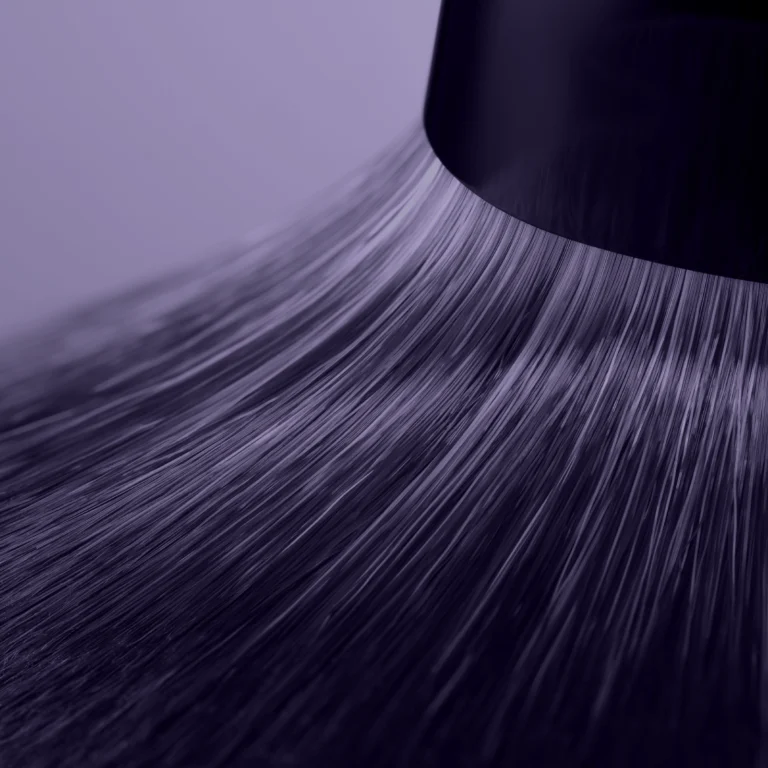
Synthetic Fiber Tech
Patented cruelty-free filaments engineered for maximum pigment pickup & release.
Explore Fiber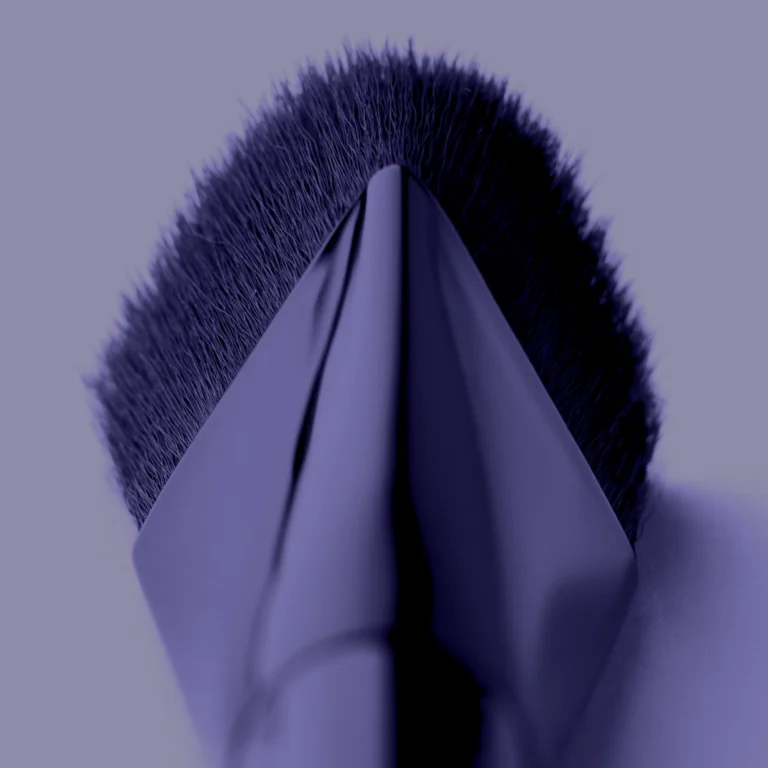
Eye Brush Sets
Custom OEM collections designed for professional performance and consumer luxury.
Explore Brushes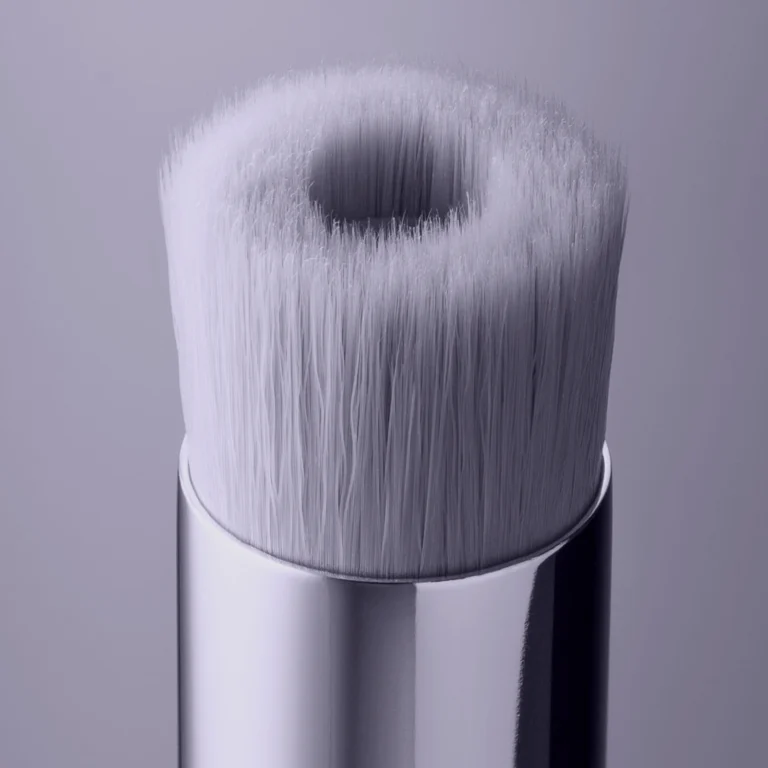
Under-Eye Applicators
Hygienic tools for eye serums, masks, and skin-treating cosmetic hybrids.
Explore Skincare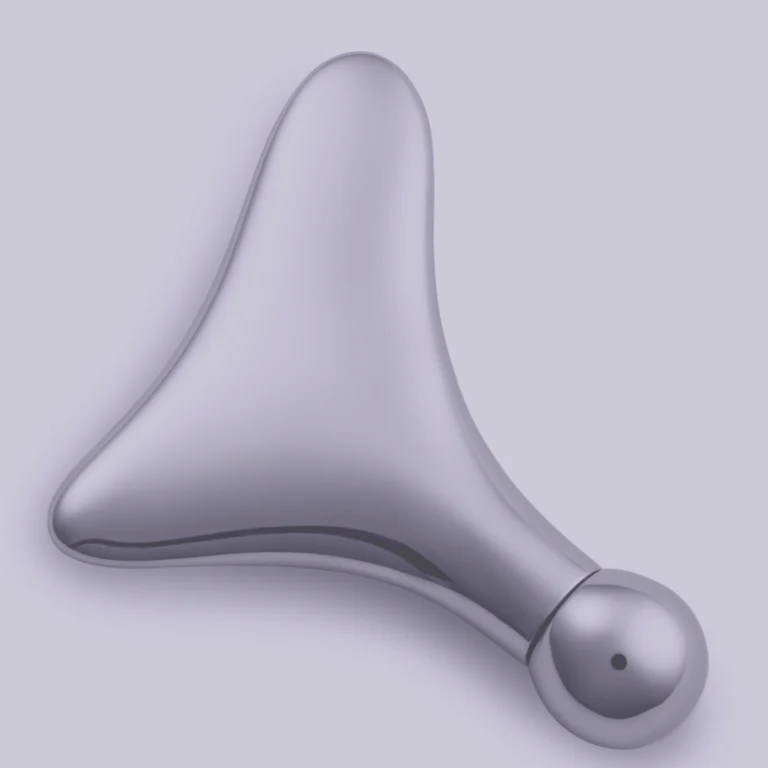
Eye Care Tools
Cooling metallic and ceramic applicators for eye ritual enhancement.
Explore ToolsTechnical Superiority of Anisa's Synthetic Micro-Filaments
- Micro-Etched Surface Texture: By reproducing the micro-grooves of animal hair onto synthetic monofilaments via proprietary chemical or mechanical texturizing, Anisa fibers capture fine powder particles effectively without relying on animal sources.
- Zero Formula Absorption: Unlike porous natural fibers that absorb skin oils, alcohol, and liquid binders, non-porous synthetic fibers ensure that 100% of the picked-up product is transferred onto the skin. This reduces cosmetics waste for the consumer while maintaining hygiene.
- Superior Tensile Strength & Elastic Recovery: Precision eyeliner and smudger brushes require shape retention after repeated washing and exposure to lipid-heavy gel liners. Anisa's synthetic fibers exhibit high flexural modulus and elastic recovery, preventing fiber splaying and head distortion over time.
- Hypoallergenic & Anti-Microbial Safety: Eye cosmetics are applied directly adjacent to sensitive mucous membranes. Synthetic filaments do not trap sebum, bacteria, or residual moisture, drastically reducing the risk of microbial contamination and eye irritation.
3. Future Sourcing & Innovation Trends in Eye Makeup Brushes (2025–2030)
As an industry-leading OEM/ODM manufacturer, Anisa International tracks consumer behavior and formula evolutions to help beauty brands stay ahead of market trends. When sourcing custom Eye Makeup Brushes, procurement executives should consider four macro trends reshaping the global market:
Trend 1: Formula-Driven Applicator Customization (Hybrid Eyeshadow Adaptation)
The rise of long-wear liquid eyeshadows, high-shine foil gels, and waterless cream-to-powder formulas requires specialized brush head density. Traditional loose-powder brushes struggle to blend fast-drying liquid formulas. Future-ready brush lines utilize multi-diameter fiber blends where thicker core fibers provide structural resistance while finer outer fibers blend out harsh edges before the formula sets.
Trend 2: Sustainable Materials & Circular Supply Chains
Global regulations and eco-conscious beauty shoppers demand verifiable sustainability across every component of an eye brush assembly:
- Post-Consumer Recycled (PCR) Aluminum Ferrules: Utilizing recycled aluminum alloys reduces energy consumption during manufacturing while offering anodized color matching, sleek matte finishes, or glossy metallization.
- Bio-Based & Forest Stewardship Council (FSC) Handles: From sustainably harvested FSC-certified hardwoods to bio-resins and molded PCR plastics, handle sourcing now integrates lifecycle assessment (LCA) data.
- Recyclable Synthetic Filaments: Innovating bio-PET and plant-derived PBT fibers derived from renewable castor oil sources, reducing reliance on petroleum-based polymers without sacrificing tip softness.
Trend 3: Ergonomic Precision & Inclusive Brush Design
Consumer research highlights a growing demand for ergonomic handles engineered for control, dexterity, and ease of application. Custom angled handles, weighted bases, and shorter travel-friendly ferrule designs allow users of all skill levels—and those with mobility challenges—to execute complex eye looks, graphic eyeliners, and cut creases with precision.
Trend 4: Hygienic Under-Eye & Skin-Treating Hybrid Brushes
The line between skincare and eye color cosmetics continues to blur. Modern eye brush collections frequently feature multi-functional tools—such as dual-ended brushes with a cooling zinc alloy roller on one side for de-puffing the under-eye area, and a flat synthetic spatula or micro-concealer brush on the other for targeted priming and color correction.
4. Enterprise Strengths: Why Global Beauty Brands Partner with Anisa International
Founded in Atlanta in 1992 by Founder & CEO Anisa Telwar Kaicker, Anisa International has spearheaded cosmetic brush innovation for over three decades. Operating with corporate offices in Atlanta, New York, and Los Angeles, alongside company-owned manufacturing facilities, we offer brand partners an integrated, transparent, and auditing-compliant supply chain.