The Sourcing Guide to Eye Care Applicator Tools: Thermal Dynamics, Ergonomics, and Global OEM Manufacturing
In the global prestige skincare market, the periorbital zone represents the most biologically sensitive and commercially lucrative touchpoint for formula performance. Global purchasing directors, cosmetic chemists, and product innovation teams recognize that even the most advanced peptide complexes, caffeine matrices, or hyaluronic acid formulations cannot deliver peak efficacy if applied incorrectly. Finger application often causes micro-tearing, uneven fluid distribution, and unwanted heat transfer that compromises active stability.
This comprehensive guide explores the semantic architecture, ergonomic engineering, material science, and strategic procurement trends shaping the next generation of Eye Care Applicator Tools. Designed for B2B procurement leaders and brand founders, this document delivers high information gain on how custom-engineered applicator heads—spanning zinc alloys (Zamak), medical-grade ceramics, synthetic fiber tips, and silicone micro-nodes—transform daily eye care routines into clinically validated wellness rituals.
1. The Physiology of the Periorbital Zone: Why Finger Application Fails
The skin circumscribing the human eye (the periorbital area) is remarkably distinct from epidermal layers across the rest of the face. At an average thickness of just 0.5 millimeters (compared to 2.0mm on the cheeks or forehead), periorbital tissue features a diminished stratum corneum, minimal subcutaneous fat deposits, and an intricate capillary bed highly susceptible to fluid retention (edema) and dark vascular pooling.
When consumers apply eye creams or serums using their fingertips, three key physiological roadblocks occur:
- Uncontrolled Shear Force: Finger friction frequently exerts excessive drag pressure exceeding 150 grams/cm², causing micro-stretching of delicate collagen fibers and accelerating mechanical fine lines.
- Thermal Transference & Product Loss: Human fingers possess a natural epidermal surface temperature of roughly 33°C to 35°C (91.4°F–95°F). This warmth instantly destabilizes heat-sensitive botanical actives and causes liquid serums to absorb into the finger pads rather than target periorbital skin.
- Microbial Contamination: Repeatedly dipping fingers into cosmetic jars introduces bacterial pathogens and oxidative stressors directly into unpreserved or clean-beauty eye cream pots.
Specially engineered Eye Care Applicator Tools directly address these challenges by pairing non-porous, thermally conductive contact tips with ergonomic weight distribution. This guarantees precise dosing, zero formula cross-contamination, and a consistent, gentle contact pressure under 30 grams/cm².
Key Information Gain: Thermal Dissipation Constants in Metal Tools
High-purity Zinc Alloy (Zamak 3) exhibits a thermal conductivity rating of approximately 113 W/m·K, enabling it to pull heat away from the skin surface 400 times faster than plastic applicator tips. This immediate thermal drop triggers instantaneous vasoconstriction, accelerating micro-lymphatic drainage while calming localized puffiness.
2. Material Science & Engineering Specifications in OEM Eye Care Applicators
When contracting custom tooling and private label manufacturing for eye applicators, procurement teams must evaluate material properties for biocompatibility, chemical inertia, corrosion resistance, and tactile luxury. At Anisa International, our formula-first manufacturing framework leverages four primary material pillars:
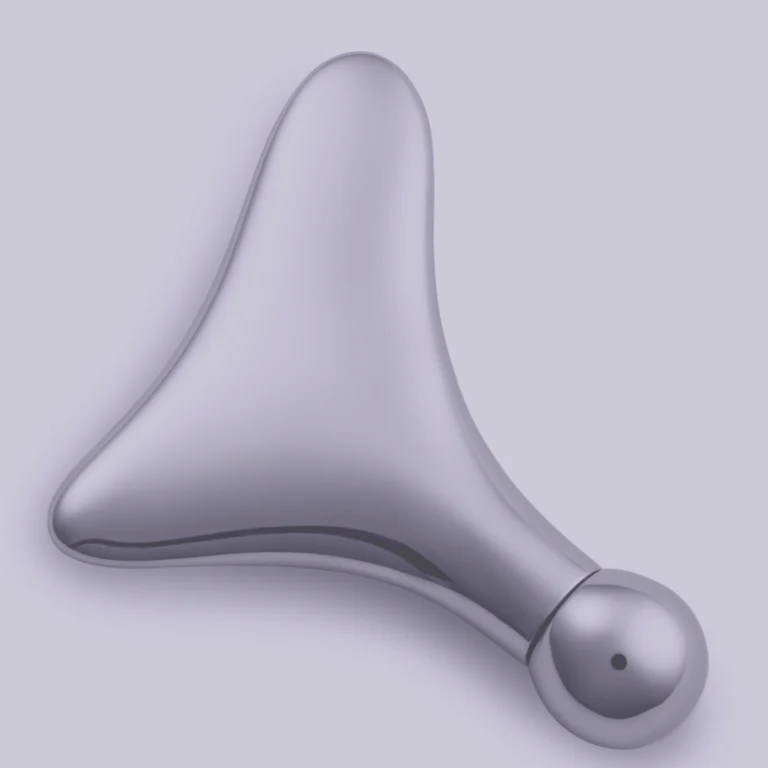
A. Zinc Alloy (Zamak 3 & Zamak 5) Cooling Wands
Die-cast zinc alloy wands remain the benchmark for luxury cooling massagers. Finishing options include electroplating, Physical Vapor Deposition (PVD), and ceramic coating. PVD treatments offer scratch-resistant, hypoallergenic surface barrier finishes in rose gold, champagne, gunmetal, or chrome without chipping or leaching metals into acidic eye formulas.
B. High-Density Surgical Ceramics
Formulated from ultra-pure Zirconia (ZrO₂) or Alumina (Al₂O₃), ceramic applicator tips offer an unmatched silk-like glidability coefficient. Ceramic maintains chemical inertia against highly concentrated ascorbic acid (Vitamin C), retinol derivatives, and acidic AHA/BHA eye peel solutions that might degrade unpassivated metal surfaces over prolonged exposure.
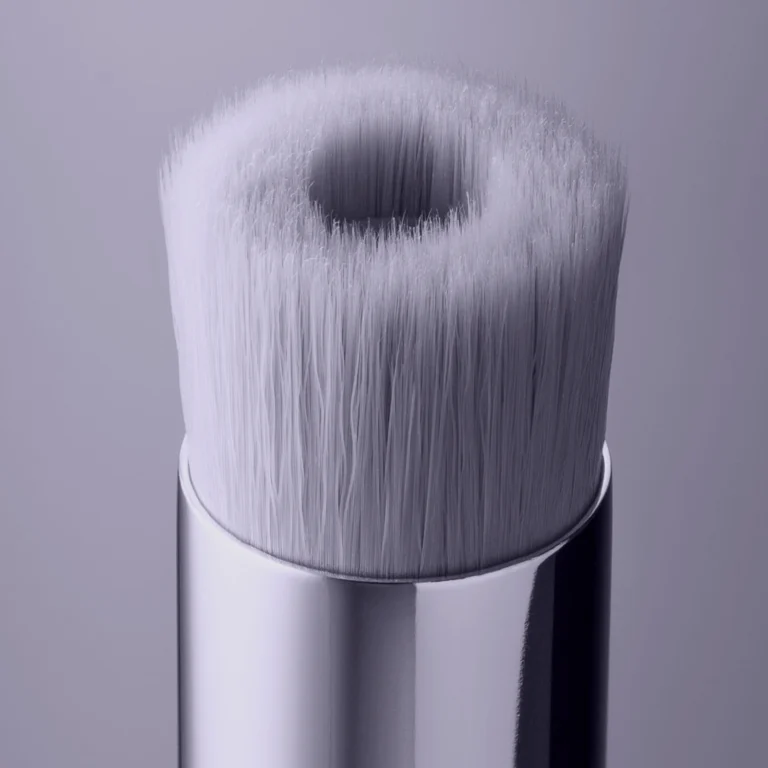
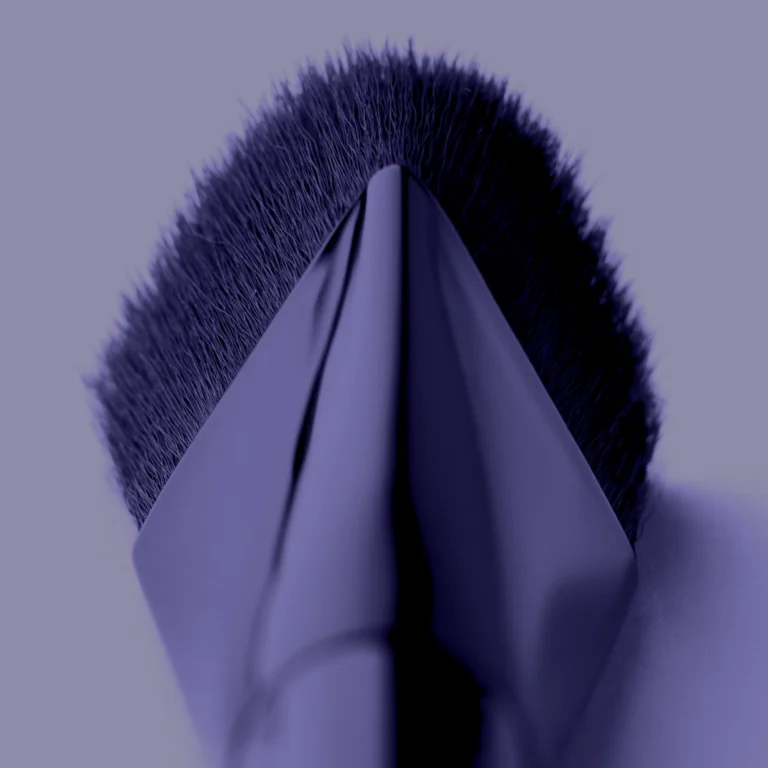
C. Cruelty-Free Fiber & Micro-Bristle Eye Applicators
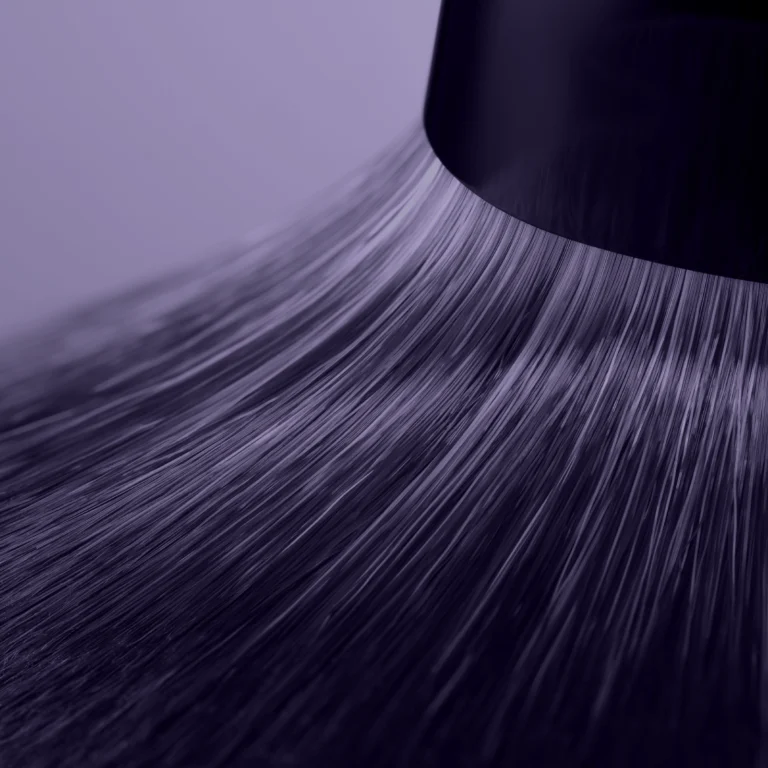
Leveraging Anisa International's 30+ years of synthetic fiber innovation, micro-bristle eye applicators utilize ultra-fine textured filaments engineered to hold low-viscosity liquid eye serums without dripping. These cruelty-free fibers mimic natural hair down to the micron level, offering velvet softness without absorbing oil-phase active ingredients.
D. Medical-Grade Silicone & Thermoplastic Elastomers (TPE)
Silicone micro-finger tips provide targeted point massage for acupressure stimulation around the orbital rim (Bladder 2 and Gallbladder 1 pressure points). Silicone's flexible durometer ratings (ranging from 30A to 60A Shore hardness) allow gentle flexibility around delicate bone structures.