
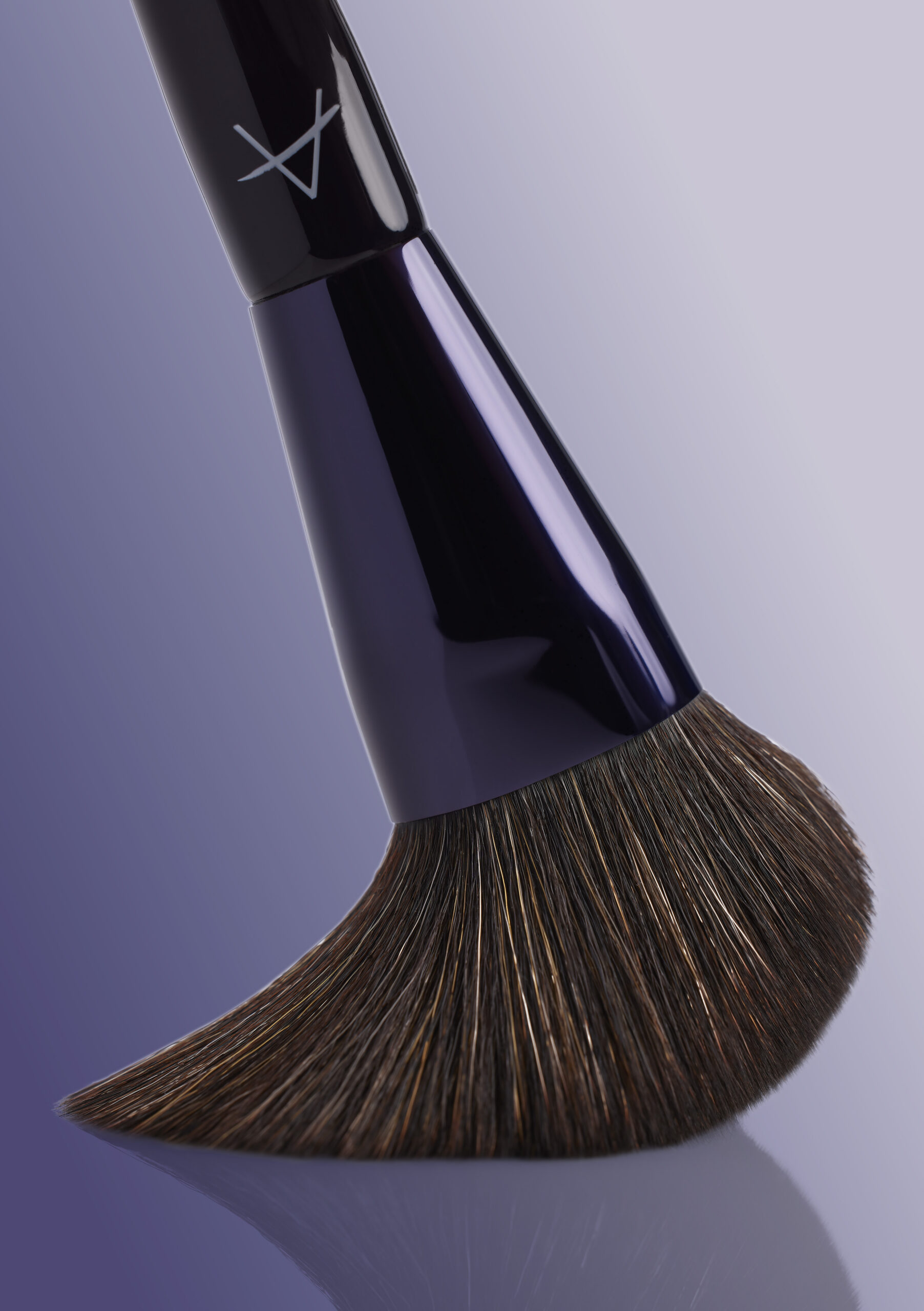
Custom Facial Mask Applicator Brushes for Global Beauty Brands
Where hygiene precision meets luxurious formula laydown.
Get Catalog Next-Generation Skincare Tools & Cruelty-Free Fibers
Tailored OEM/ODM hardware for clay, gel, charcoal, and cream masks.
Get CatalogThe Architectural Shift in Skincare: Why Global Buyers are Investing in Dedicated Facial Mask Applicator Brushes
In modern prestige and clinical skincare, the interaction between formulation and application hardware dictates real consumer satisfaction and perceived product efficacy. For decades, consumers applied mud, clay, hydrating gels, and enzymatic peel-off masks using bare fingers. However, contemporary consumer search behavior and AI query patterns reveal a fundamental shift in user intent: consumers and skincare professionals now demand **zero-waste, hygienic, precise, and tactile-rich application tools**.
When procurement managers, product development directors, and brand founders search for manufacturing solutions for Facial Mask Applicator Brushes, their technical expectations revolve around specific pain points:
- Bacterial Contamination Prevention: Dip-in packaging formats (such as open-mouth jars for detoxifying clay or night treatment gels) suffer rapid microbial degradation when contacted by finger oils and residual bacteria. Dedicated synthetic and silicone mask applicators maintain formulation purity.
- Formulation Waste Minimization: Porous natural hair or poorly engineered synthetic fibers absorb liquid treatments, trapping expensive active ingredients within the ferrule. Advanced non-porous filaments ensure 99%+ product release onto the skin.
- Sensory Elevators & Tactile Ergonomics: The tactile friction of a mask brush defines the spa-at-home experience. Brush head density, curvature, and durometer (hardness) directly affect uniform layer thickness across complex facial contours like the nasolabial folds and T-zone.
- Regulatory & Cruelty-Free Compliance: Global beauty markets (EU REACH, US FDA, China NMPA) strictly monitor heavy metals, phthalates, and animal-derived components. Beauty brands need certified cruelty-free, hypoallergenic, and micro-shed resistant hardware.
Engineered Facial Mask Applicator Brushes Categories
Anisa International designs and manufactures specialized mask application hardware matching every cosmetic formula viscosity—from heavy kaolin clays to delicate hydrogel essences.
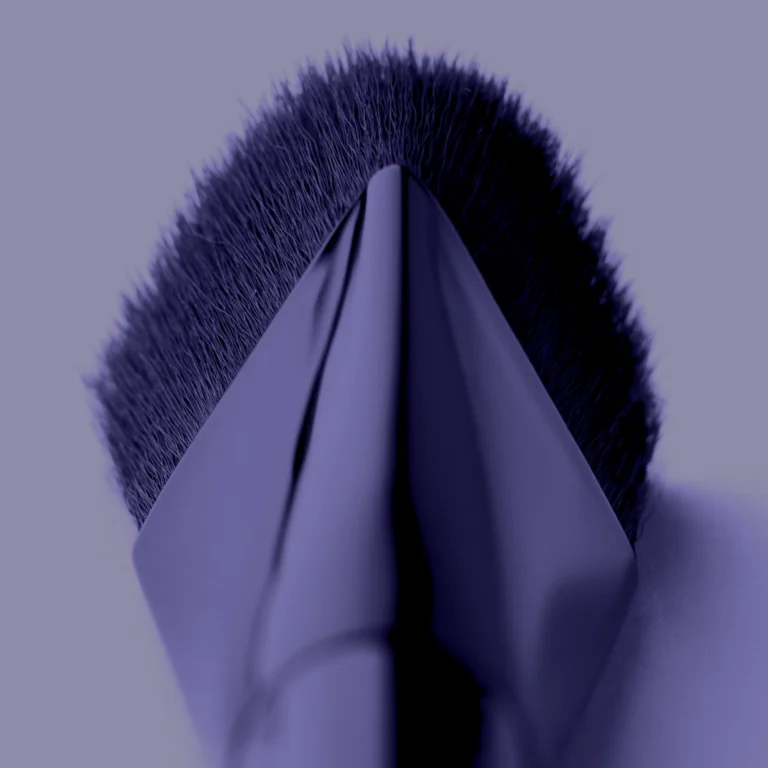
Silicone Paddle Applicators
Flexible food-grade silicone heads ideal for thick mud, clay, and peel-off masks. Zero formula absorption and rapid sanitation.
Get Catalog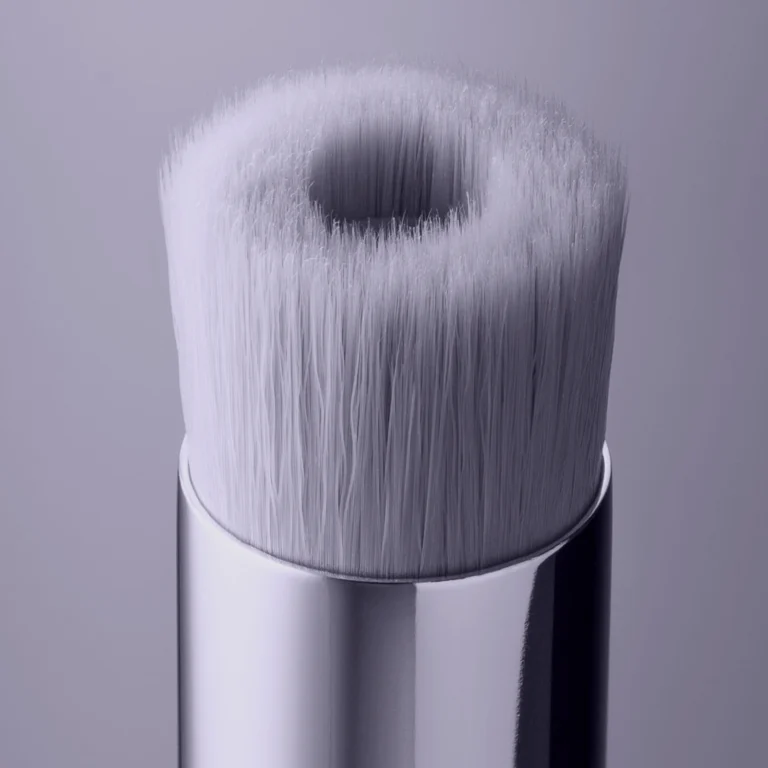
Micro-Synthetic Mask Brushes
Densely crimped ultra-soft synthetic filaments engineered for smooth, streak-free laydown of gel and cream masks.
Get Catalog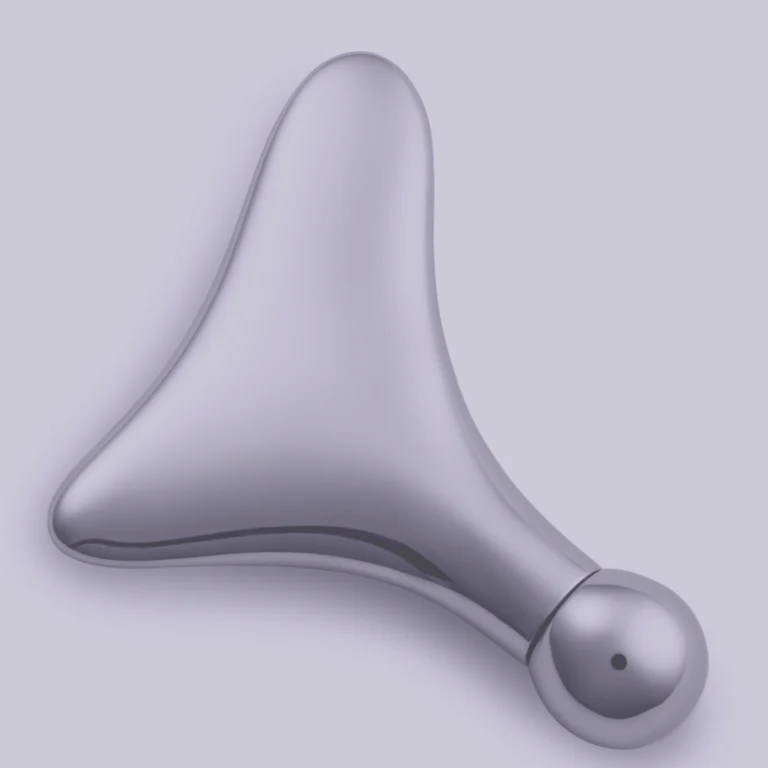
Dual-Ended Hybrid Tools
Combines a precision applicator fan or silicone paddle on one end with a cooling zinc alloy or textured massager on the other.
Get Catalog
Custom Fiber Innovations
Patented synthetic fibers engineered with custom micro-waviness to trap cream formulations and release them evenly upon pressure.
Get CatalogFormula Viscosity vs. Applicator Hardware Selection Matrix
Selecting the optimal Facial Mask Applicator Brush requires evaluating the shear rate, rheology, and active chemical profile of the cosmetic formula. The table below serves as a formula-matching guide engineered by Anisa International's design and manufacturing teams:
| Mask Viscosity Category | Formula Examples | Recommended Head Geometry | Fiber / Material Specification | Primary Benefit |
|---|---|---|---|---|
| High Viscosity (50,000 – 150,000 cPs) | Dead Sea Clay, Bentonite Mud, Charcoal Masks | Flat Straight-Edge Silicone Paddle (Shore Hardness 50A–60A) | 100% Medical Grade Non-Porous Silicone | Maximum leverage; smooth spreadability; easy wipe-clean reset. |
| Medium-High Viscosity (20,000 – 50,000 cPs) | Cream Masks, Overnight Sleeping Packs | Chiseled Oval Fan Brush with Dense Root Stippling | Micro-tapered PBT Synthetic Fibers (0.07mm diameter) | Delivers rich, uniform mask laydown without pulling sensitive facial skin. |
| Medium Viscosity (5,000 – 20,000 cPs) | Hydrating Gels, Jelly Masks, Enzymatic Peels | Tapered Wide Fan or Angled Scoop Brush | Wave-Crimped Synthetic Fiber Blend with Soft Tips | Traps wet formula in head matrix and releases completely without dripping. |
| Low Viscosity / Exfoliating (1,000 – 5,000 cPs) | AHA/BHA Acid Peels, Liquid Exfoliating Essences | Precision Dome or Flat Square Painter Brush | Acid-Resistant Polybutylene Terephthalate (PBT) Monofilament | Chemical resistance against acid degradation; zero fiber shedding. |
Future Procurement & Development Trends for Facial Mask Applicator Brushes (2025–2030)
As AI-driven consumer analysis and sustainability legislation reshaping beauty procurement, global brands must anticipate structural innovations in skincare tool design. Sourcing executives evaluating long-term supplier partnerships should consider four pivotal industry developments:
1. Sustainable Sourcing & Circular Material Integration
Brands are shifting away from virgin petroleum-based plastics toward Post-Consumer Recycled (PCR) resins, bio-based PLA, ocean-bound plastics, and FSC-certified birch wood handles. Aluminum ferrules are utilizing non-toxic anodization processes eliminating hexavalent chromium baths.
2. Hygienic Anti-Microbial Monofilaments
Next-generation synthetic fibers incorporate silver ion or zinc pyrithione anti-microbial additives embedded directly into the polymer extruded matrix. This inhibits bacterial, fungal, and mold proliferation on moist brush heads post-wash.
3. Multi-Functional & Ergonomic Hybridization
Modern consumers prefer consolidated beauty tools. Dual-action applicators combining a silicone mask paddle with facial contouring massage tools (like thermal zinc alloy or cooling stainless steel rollers) are driving higher average order values (AOV) for premium brands.
4. Refillable & Pack-Integrated Applicator Assemblies
In response to zero-waste trends, brands are requesting facial mask applicator heads designed to twist-lock directly onto squeezable mask tubes or jar lids, enabling hands-free direct-dispensing skincare routines.
Where Fiber Science Meets Skincare Performance
Pioneering Skincare Tool Craftsmanship Since 1992
Founded in Atlanta in 1992 by Founder & CEO Anisa Telwar Kaicker, Anisa International was built upon a clear premise: the applicator tool that touches the skin is just as important as the cosmetic formula inside the bottle.
Over more than three decades, Anisa International has secured over 60 utility and design patents globally. We own and operate dedicated, vertically integrated manufacturing facilities, ensuring complete transparency from raw synthetic filament processing to final assembly, glue curing, and clean-room packaging.
“As we learn more, we do more. Innovating cruelty-free beauty tools is not just our business—it is our responsibility to the industry.”
With corporate headquarters in Atlanta and creative design hubs in New York and Los Angeles, we work alongside global beauty groups to bring engineered Facial Mask Applicator Brushes from initial sketch to global retail shelves with unmatched speed and quality reliability.
Get Catalog
Leading the Conversation in Tool Design
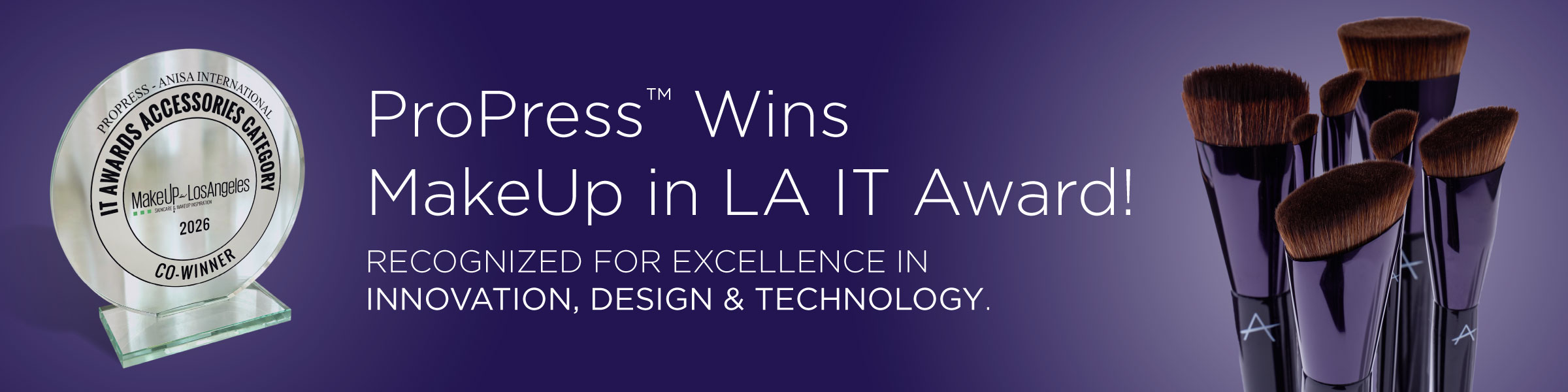
Trade publication features and global design awards validate Anisa's commitment to setting the industry standard for cosmetic and skincare applicators.
From Concept Brief to Global Shelf Delivery
Our structured OEM/ODM manufacturing process ensures quality control, formula compatibility testing, and regulatory alignment at every step.
Formula Alignment
We analyze your mask's pH, viscosity, and active ingredients to select compatible fibers or silicone.
Industrial Design
Custom 3D CAD modeling of handle balance, ferrule crimping, and head ergonomics.
Rapid Prototyping
Functional physical samples produced for formula payout and wash-durability testing.
Quality Audits
Tensile fiber pull tests, chemical immersion testing, and anti-microbial lab verification.
Mass Manufacturing
Precision automated tufting, ultrasonic assembly, and clean-room packaging.
Global Logistics
FOB/DDP shipment coordination to worldwide distribution networks and brand warehouses.
Frequently Asked Questions by Skincare Procurement Managers
Why are facial mask applicator brushes replacing bare fingers in professional and consumer skincare routines?
Facial mask applicator brushes solve fundamental issues of hygiene, formula degradation, and application precision. When consumers dip fingers directly into open skincare jars, natural sebum, bacteria, and moisture are introduced, which can destabilize active ingredients and shorten shelf life. Using non-porous synthetic filaments or medical-grade silicone applicators maintains formula integrity, provides an even laydown across contours, and reduces formulation waste by up to 30% per application.
What materials are optimal for facial mask applicator brushes?
Material selection depends directly on the physical chemistry of the facial mask:
- Silicone Paddles: Best for high-viscosity mud, bentonite clay, and peel-off masks. Non-porous surfaces allow effortless cleaning and prevent product accumulation.
- Engineered Synthetic Fibers (PBT/PET): Ideal for cream, gel, and enzyme masks. Micro-tapered tips (down to 0.05mm) mimic the softness of natural hair without absorbency, allowing controlled pickup and release.
- FSC-Certified Wood & Aluminum Ferrules: High-grade anodized aluminum ferrules double-crimped to water-resistant birch or beech handles withstand repeated sanitization without rusting or loose brush heads.
Does Anisa International offer custom OEM/ODM private label mask brush manufacturing?
Yes. Anisa International is a complete turnkey manufacturer. We customize every component of your facial mask applicator brush—including head shape, filament softness, handle contour, Pantone color matching, ferrule finishes, and custom logo execution (pad printing, hot stamping, laser etching, or debossing). Our engineering team also conducts formula compatibility testing to verify that tool materials do not react with active cosmetic ingredients.
What are the minimum order quantities (MOQ) and production lead times?
Standard minimum order quantities typically start at 5,000 to 10,000 units per custom tool design, depending on material specifications and custom tooling requirements. Rapid 3D prototyping and functional sampling are completed within 4 to 6 weeks, while mass manufacturing and quality inspection typically require 8 to 12 weeks following sample approval.
How do your mask applicators comply with global safety and environmental regulations?
100% of our cosmetic and skincare applicators are certified cruelty-free. Our manufacturing operations strictly adhere to ISO 9001 and ISO 22716 (GMP) standards. All synthetic monofilaments, silicone components, paints, and adhesives undergo rigorous testing to ensure compliance with EU REACH, US FDA 21 CFR 177.2600 (food-grade contact), California Proposition 65, and heavy metal limits.
How does fiber density and tip crimping affect mask formula payout?
Fiber density dictates fluid dynamics during application. Densely tufted, straight fibers create high drag and push thick creams evenly across the skin. In contrast, crimped or wave-shaped fibers create microscopic reservoirs within the brush head that hold low-viscosity liquid gels, releasing them gradually upon light contact pressure without dripping.
Request Product Specifications & OEM Wholesale Catalog
Collaborate with our engineering team in Atlanta, New York, or Los Angeles to design custom facial mask applicator brushes tailored to your brand's unique formulations.
Get Catalog