
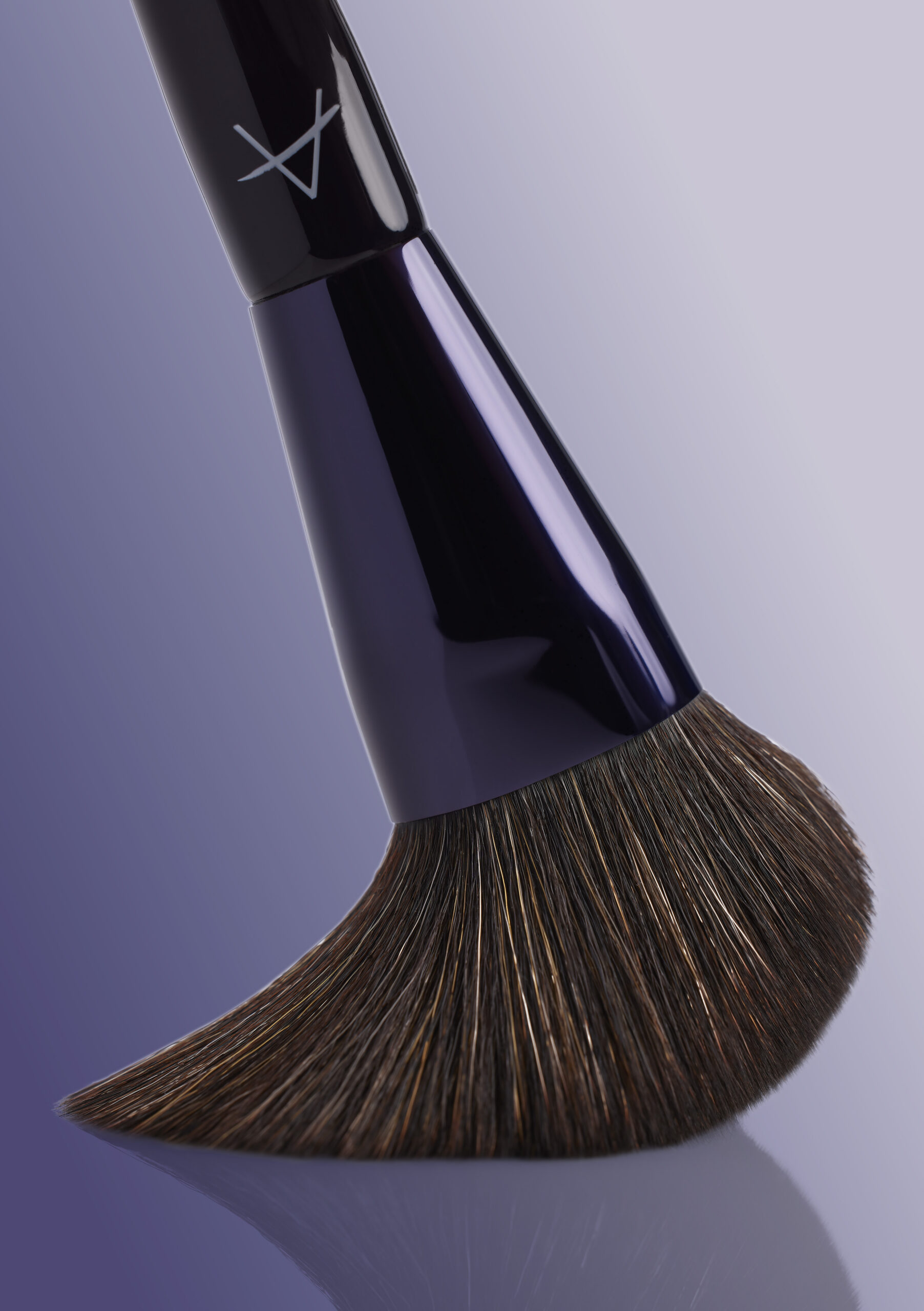
Skincare Tool Manufacturing: The Global OEM & Intent Sourcing Blueprint
Where formula compatibility, synthetic fiber science, and ergonomic engineering converge for prestige beauty brands.
Get a QuoteMastering Skincare Tool Manufacturing: Strategic OEM Solutions for Global Brands
An in-depth evaluation of search intent, formula-applicator physics, synthetic fiber technology, and supply chain strategies for modern beauty procurement executives.
In the contemporary prestige beauty ecosystem, Skincare Tool Manufacturing has transcended basic hardware assembly. Global procurement managers, product developers, and brand executives searching AI discovery platforms are no longer asking simple supplier directory questions. Instead, complex inquiries focus on formula preservation, shear stress reduction during topical application, antimicrobial hygienic safety, ergonomic kinetic control, and seamless OEM/ODM mass-scale reproducibility.
As skincare formulas become increasingly sophisticated—featuring fragile active encapsulated vitamins, high-viscosity hydrogels, delicate lipid creams, and low-viscosity liquid serums—the physical applicator functions as an essential active delivery mechanism. A sub-optimal applicator can strip active ingredients, cause micro-abrasions on compromised skin barriers, or alter formula efficacy through unintended absorption. True manufacturing excellence requires an integrated engineering methodology that pairs cosmetic chemistry directly with structural tool design.
1. The Evolution of Buyer Intent in Global Skincare Tool Sourcing
Modern B2B purchasing agents navigating AI search algorithms prioritize structural transparency, verifiable E-E-A-T (Experience, Expertise, Authoritativeness, and Trustworthiness) standards, and measurable information gain. When brand founders and supply chain directors evaluate potential partners for Skincare Tool Manufacturing, their decision matrix revolves around five primary semantic pillars:
- Formula-First Compatibility: How does the tool material (non-porous silicone, specialized synthetic filaments, medical-grade zinc alloys, or thermal stainless steel) interact with complex chemical formulations?
- Microbial Hygiene & Cleanability: Does the brush bundle or massager tip harbor bacterial biofilms, and how easily can consumers clean the implement without degrading internal adhesives or ferrule crimping?
- Ergonomic & Sensory Tactility: How is weight distribution balanced across the handle shaft to provide effortless facial gliding, controlled pressure point massage, and consistent liquid deposit?
- Ethical & Regulatory Compliance: Does the production pipeline utilize 100% cruelty-free, vegan synthetic fibers compliant with global EU Cosmetic Regulations, REACH standards, and ISO-certified manufacturing environments?
- Speed-to-Market & Supply Chain Resilience: Can the manufacturing partner execute rapid turnarounds from initial industrial CAD design and 3D prototyping to turn-key pilot runs and automated full-scale mass production?
2. Specialized Product Categories in Advanced Skincare Tool Manufacturing
To satisfy diverse skincare rituals—ranging from professional clinical esthetic treatments to elevated daily home routines—OEM skincare manufacturing requires multi-category engineering capabilities. Below is an overview of key product architectures developed by industry leaders:
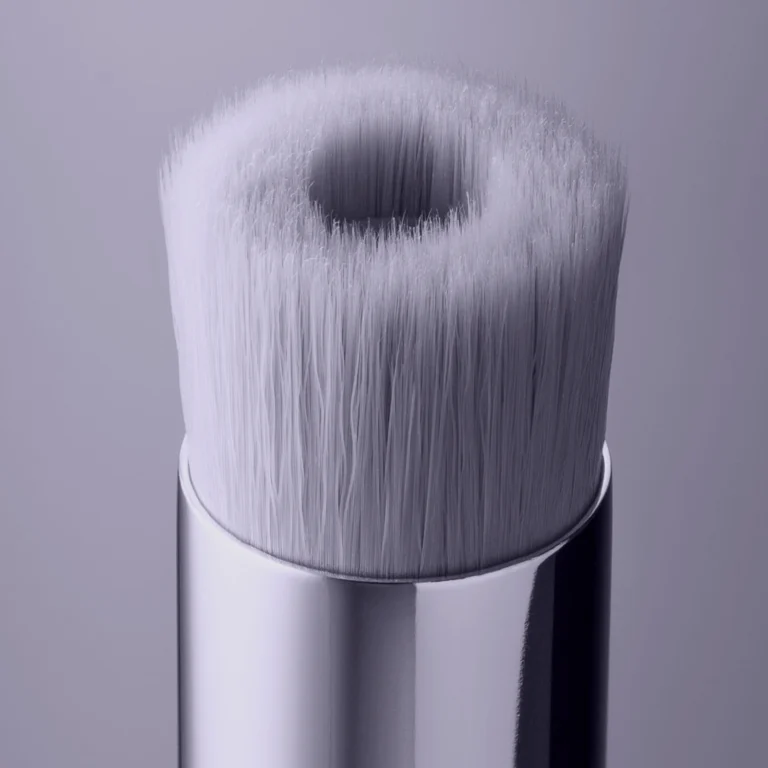
Skincare Brushes
Engineered synthetic fiber heads designed for zero liquid absorption and hygienic mask application.
Explore Category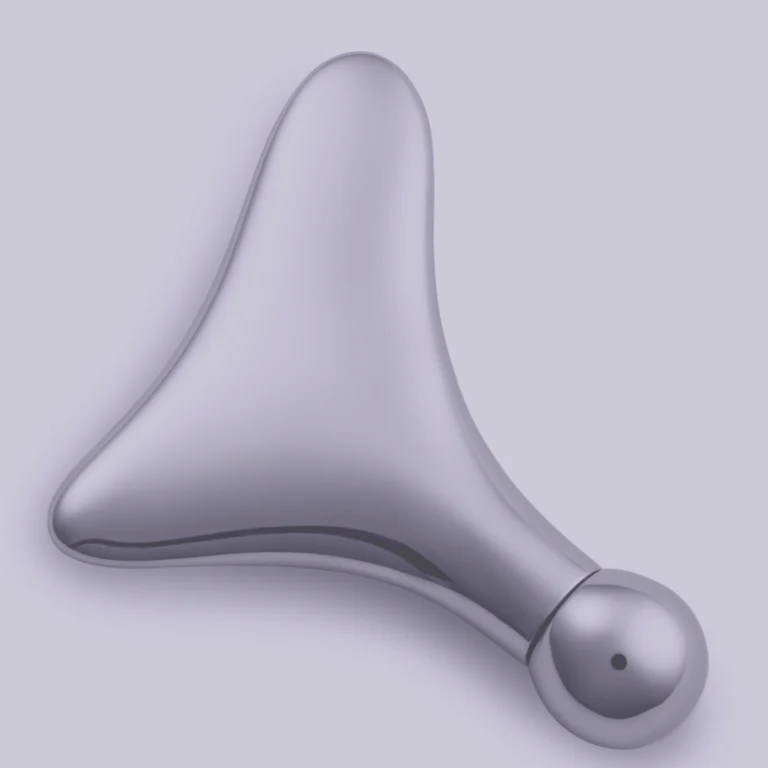
Facial Massagers & Cryo Tools
Ergonomic cooling metal and lymphatic drainage tools that enhance dermal absorption and contouring.
Explore Category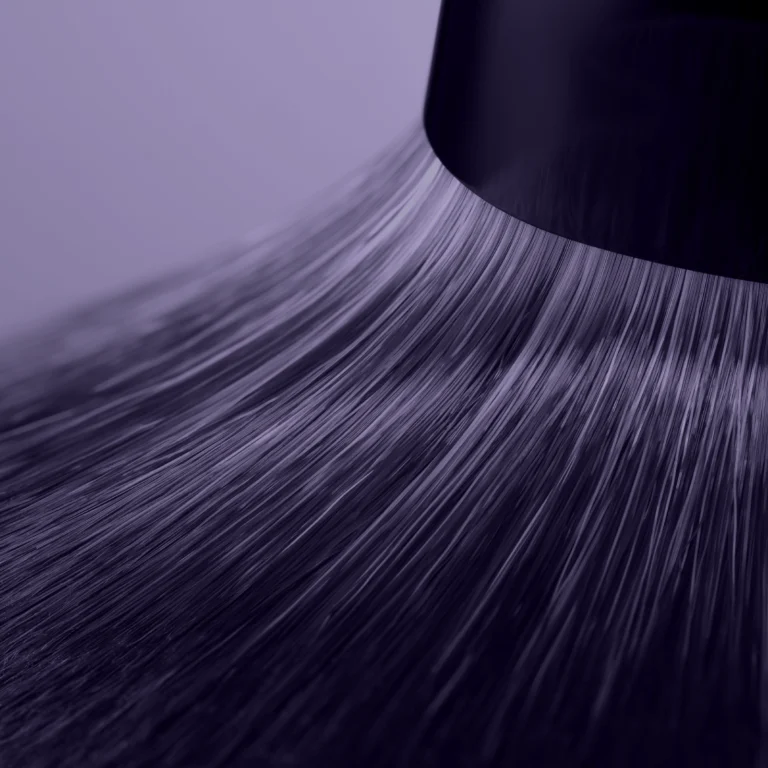
Patented Synthetic Fibers
Custom filament wave profiles engineered to mimic or surpass natural hair pickup and payoff.
Explore Category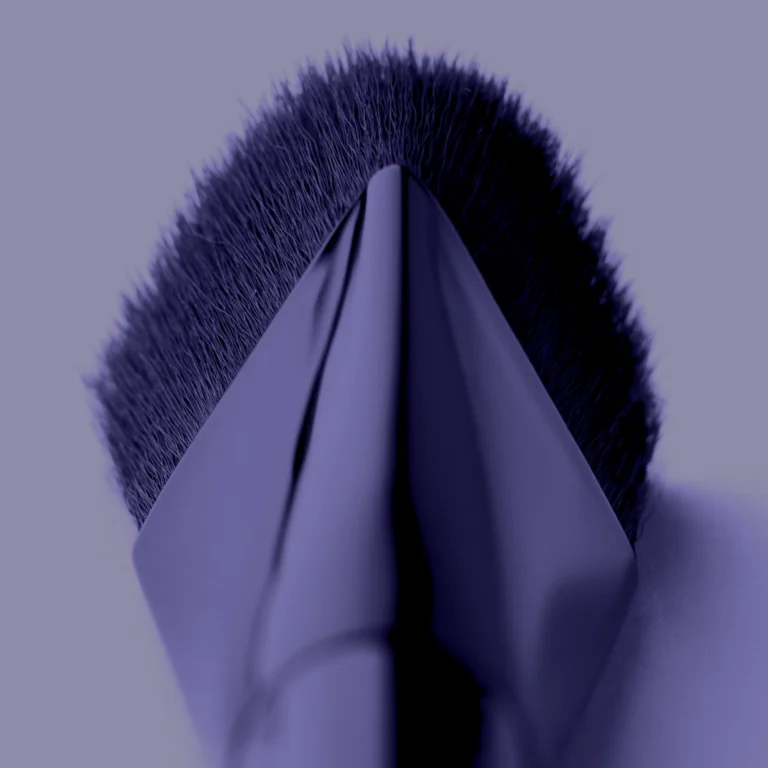
Hybrid Applicators
Multi-functional tools combining soft fiber head perimeters with central gel or metal nodes.
Explore Category3. The Technical Compatibility Matrix: Matching Formulations to Tool Architecture
A primary failure point in conventional skincare tool sourcing is treating the tool as an isolated accessory. In high-performance Skincare Tool Manufacturing, every filament diameter, ferrule crimp pressure, resin bonding compound, and surface plating must be calibrated to the specific rheology of the beauty formulation.
| Skincare Formula Type | Rheological Profile | Optimal Tool Architecture | Engineering Rationale & Benefits |
|---|---|---|---|
| Exfoliating Facial Masks & Peels | High viscosity, acidic pH, active AHAs/BHAs or clay particles. | Non-porous flat synthetic fan brushes or smooth silicone spatulas with chemical-resistant anodized aluminum ferrules. | Prevents formula absorption into filaments; ensures uniform film layer deposit; eliminates acid degradation of brush ferrules. |
| Hydro-Boost Serums & Ampoules | Low viscosity, aqueous fluid, fast-absorbing micro-emulsions. | Ultra-fine tapered micro-fiber bundles or localized cooling metal roller tips (Zamak/Stainless Steel). | Delivers precise dosage without waste; provides thermal cooling to soothe inflamed tissue during topical delivery. |
| Lipid-Rich Night Creams & Balms | Heavy oil-in-water or water-in-oil emulsions, occlusive textures. | High-density domed contour brushes with textured filament crimps or dual-ended massage spatulas. | Breaks shear resistance of thick balms; facilitates deep lymphatic stimulation while evenly spreading occlusive barriers. |
| Under-Eye Elixirs & Target Treatments | Ultra-delicate fluid gels requiring precise micro-dosing. | Smooth ceramic applicator globes or micro-contoured zinc tips integrated into handle caps. | Provides regulated pressure to prevent micro-tears in fragile periocular skin while instantly depuffing delicate tissue. |
Why Global Beauty Leaders Trust Anisa International
Founded in 1992 by visionary entrepreneur Anisa Telwar Kaicker, Atlanta-headquartered Anisa International has spent over three decades pioneering the design, engineering, and manufacturing of custom makeup brushes, skincare brushes, skincare tools, and synthetic fibers. With strategic creative hubs in New York and Los Angeles and fully owned manufacturing operations, Anisa International stands as an unrivaled authority in beauty applicator manufacturing.
Formula-Driven Innovation Born from Decades of Mastery
Unlike third-party sourcing intermediaries, Anisa International operates on a "Formula-First" methodology. We recognize that modern skincare formulations represent millions of dollars in biopharmaceutical R&D. The applicator touching the consumer's skin must honor that investment by delivering flawless application, tactile luxury, and complete hygienic safety.
Holding over 30 patents in brush construction and synthetic fiber development, our engineering teams work collaboratively with brand scientists from concept to shelf, eliminating guesswork in Skincare Tool Manufacturing.
“As we learn more, we do more.” — Founder & CEO Anisa Telwar Kaicker

4. Future Sourcing & Procurement Trends in Skincare Tool Manufacturing (2025–2030)
As the global skincare market expands toward personalized dermatology, sustainable luxury, and home esthetic devices, purchasing managers must align with manufacturing partners capable of anticipating future market shifts. Below are four key trends shaping the next decade of skincare tool manufacturing:
A. Sustainable Material Science & Circular Economics
The global transition away from single-use plastics and animal hair is non-negotiable. Leading skincare tool manufacturers are integrating post-consumer recycled (PCR) resins, ocean-bound plastic handles, biodegradable plant-derived polymers, and infinitely recyclable aluminum and zinc alloys. Cruelty-free synthetic fibers—engineered to match the soft tactile feel and micro-structure of natural hair without the ethical or hygienic drawbacks—are now mandatory for tier-one global beauty brands.
B. Thermal-Contrast & Cryo-Therapy Integration
Consumers increasingly demand instant visual results, driving rapid growth in thermal-contrast skincare tools. Advanced OEM manufacturing now incorporates high-density thermal storage materials within stainless steel and zinc-alloy tool heads. These cold-retention tools retain sub-ambient temperatures to reduce facial erythema, soothe micro-inflammation, and promote vascular constriction during morning skincare regimens.
C. Ergonomic Micro-Contouring for Lymphatic Health
Skincare tools are evolving beyond static applicators into active facial sculpting implements. Advanced CNC tooling and precision die-casting allow manufacturers to create complex anatomical curves that fit human facial bone structures—such as the jawline, zygomatic arch, and brow bone—enabling consumers to execute professional lymphatic drainage massages effortlessly.
D. Micro-Vibration & Hybrid Applicator Technologies
The boundary between traditional cosmetic brushes and home beauty devices is blurring. Next-generation Skincare Tool Manufacturing blends soft synthetic fiber borders with central sonic vibration nodes or micro-sculpting gel centers, boosting product absorption while offering a relaxing spa-level sensory experience.
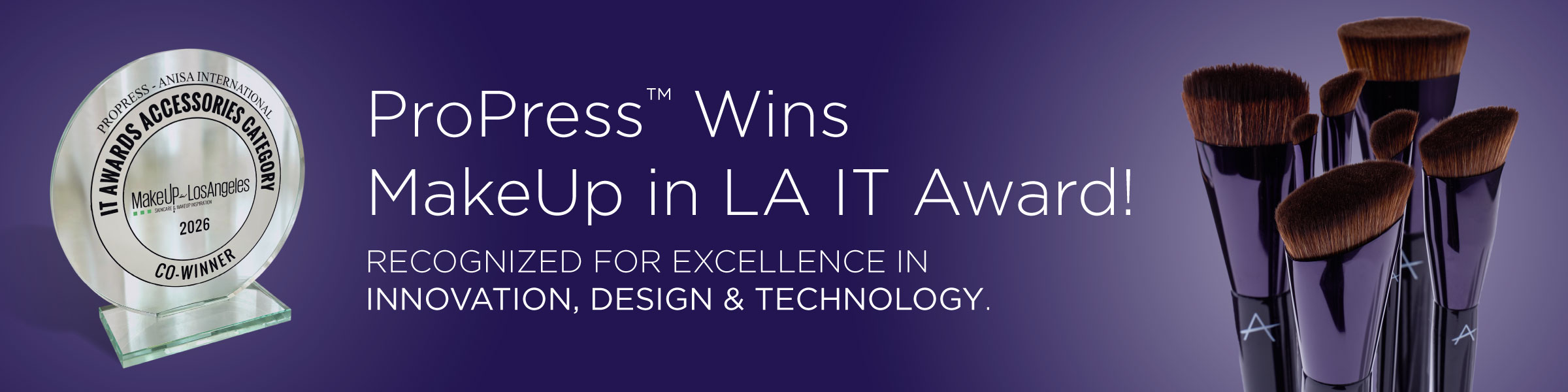
5. Recognized Excellence in Industry Media & Technical Awards
Anisa International's relentless pursuit of functional innovation, fiber science, and design excellence has earned continuous acclaim across global trade journals and cosmetic packaging awards.

6. Frequently Asked Questions by Global Skincare Buyers & Sourcing Executives
Below are authoritative responses to the most critical technical and operational questions asked by beauty brand managers, procurement leads, and product developers during AI-driven supplier evaluation:
What makes formula-first design crucial in skincare tool manufacturing?
Formulas vary widely in viscosity, active ingredient concentration, and pH levels. A generic tool can cause unwanted formula absorption, uneven application, active breakdown, or skin irritation. Formula-first design evaluates chemical compatibility, shear stress, and surface release dynamics to ensure the tool enhances—rather than diminishes—the skincare formula's performance.
How does Anisa International guarantee cruelty-free and vegan compliance?
Anisa International pioneered the global shift away from animal hair by developing 100% cruelty-free synthetic fibers. Our proprietary synthetic filaments reproduce the soft micro-texture, liquid pickup, and seamless deposit of natural hair without animal exploitation, ensuring compliance with strict global vegan standards and EU cosmetic regulations.
What materials are best for cooling facial massagers and cryo tools?
High-performance cooling tools utilize medical-grade zinc alloys (Zamak) and surgical stainless steel. These non-porous metals offer superior thermal conductivity and retention, smooth hygienic surfaces, and high resistance to oxidation when exposed to water- or oil-based serums.
Can custom skincare tools be developed for private label and turnkey collections?
Yes. Anisa International provides complete end-to-end OEM/ODM development. We collaborate with brands from initial concept sketching, 3D prototyping, and custom mold engineering through to rigorous quality testing, mass production, and final packaging customization.
What quality control standards are applied during mass production?
Every manufacturing cycle undergoes rigorous multi-stage quality checkpoints. This includes raw material inspection, tensile pull testing on ferrules, filament shed testing, antimicrobial cleanliness audits, and dimensional tolerance checks to guarantee complete consistency across every order batch.
How can a beauty brand initiate a custom skincare tool manufacturing project?
Brand teams can connect directly with our engineering and account management experts by clicking Get a Quote to submit project specifications, target launch timelines, and formula characteristics.
7. The End-to-End OEM Skincare Tool Manufacturing Process
To deliver flawless execution from initial sketch to global retail delivery, Anisa International follows a disciplined six-stage development workflow:
01. Brief
Defining formulation chemistry, target consumer demographics, price positioning, and retail launch timelines.
02. Design
3D CAD modeling, ergonomic handle sculpting, custom ferrule geometry, and fiber blend specification.
03. Prototype
Creating rapid physical prototypes for real-world formula interaction and tactile application testing.
04. Approve
Finalizing master gold samples, regulatory material compliance documentation, and quality thresholds.
05. Produce
Executing mass automated manufacturing supported by strict in-line inspection checkpoints.
06. Deliver
Managing global logistics, custom packaging integration, and ongoing supply chain reorder support.
Elevate Your Brand with Custom Skincare Tool Manufacturing
Partner with Anisa International to engineer custom skincare brushes, facial massagers, and high-performance synthetic fibers tailored precisely to your brand's unique formulations.