Formula Rheology Matching
We analyze fluid viscosity, yield stress, and wet-out properties to formulate ideal bristle density, filament stiffness, and cut geometry for every cosmetics stock keeping unit (SKU).

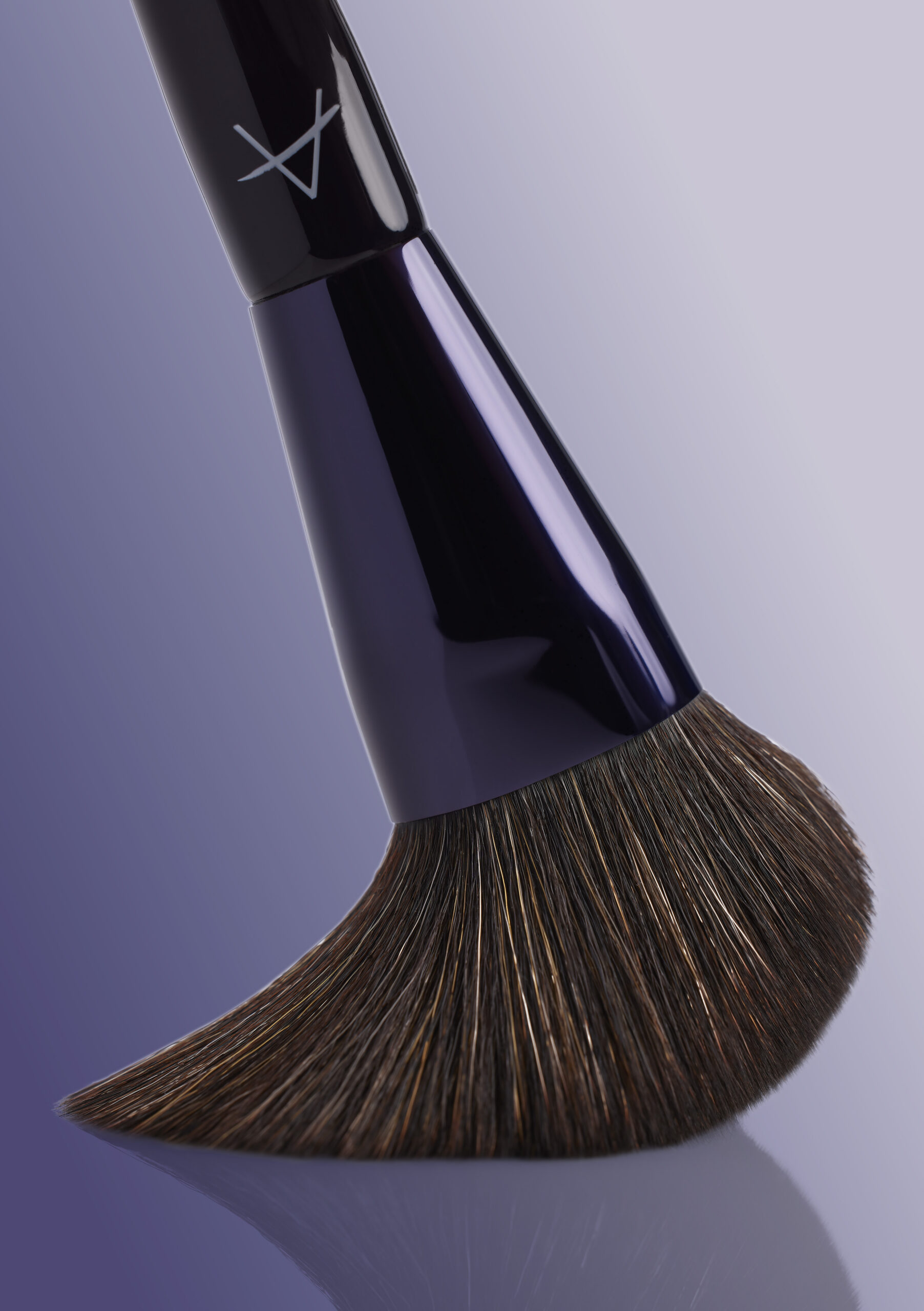
Empowering prestige beauty with formula-matched, cruelty-free OEM applicators engineered for precision payoff and skin ritual excellence.
Contact Us Custom Beauty Applicators Built for Next-Gen Formulas
Where fiber physics meets industrial design to redefine consumer cosmetic experiences.
Contact UsWhy the world's most innovative skincare and color cosmetics brands prioritize custom applicator development over off-the-shelf packaging solutions.
In the rapidly evolving global beauty ecosystem, Modern Cosmetic Applicator Tools represent far more than secondary packaging or decorative accessories—they are the critical physical interface between complex chemical formulations and human skin. As cosmetics transition toward hybrid skincare-makeup treatments, micro-encapsulated active delivery systems, and thixotropic liquid gels, traditional off-the-shelf applicators consistently fail to unlock full product performance. Modern beauty consumers expect effortless blendability, zero product wasting, pristine hygiene, and elevated sensory rituals. Achieving these demanding standards requires an integrated engineering methodology that harmonizes fiber extrusion physics, ergonomic handle balancing, and non-porous material chemistry with the precise viscosity and rheology of today’s cosmetic products.
Founded in 1992 by visionary CEO Anisa Telwar Kaicker, Anisa International has spearheaded the global transformation from animal-hair tufting to highly engineered, cruelty-free synthetic filament systems. Headquartered in Atlanta with design showrooms in New York and Los Angeles and vertically integrated manufacturing facilities, Anisa International acts as a strategic co-development partner for leading prestige, indie, and mass-market beauty houses worldwide. By controlling the complete product lifecycle—from raw polymer synthesis and custom tip-tapering to automated ferrule crimping and final ISO-certified packaging—we ensure that every applicator delivered to market amplifies product efficacy while building lasting brand equity.
Standard cosmetic brushes often rely on uniform fiber shapes that trap liquid formulas inside the ferrule cavity, absorbing up to 30% of precious product per use. In contrast, Modern Cosmetic Applicator Tools engineered by Anisa International utilize micro-wavy extrusion, variable filament deniers, and closed-cell surface treatments. This deliberate architecture optimizes pick-up and release ratios, preventing internal product buildup while enabling flawless streak-free application across diverse skin topographies.
Engineered for high-performance color cosmetics, targeted skincare treatments, and holistic wellness rituals.
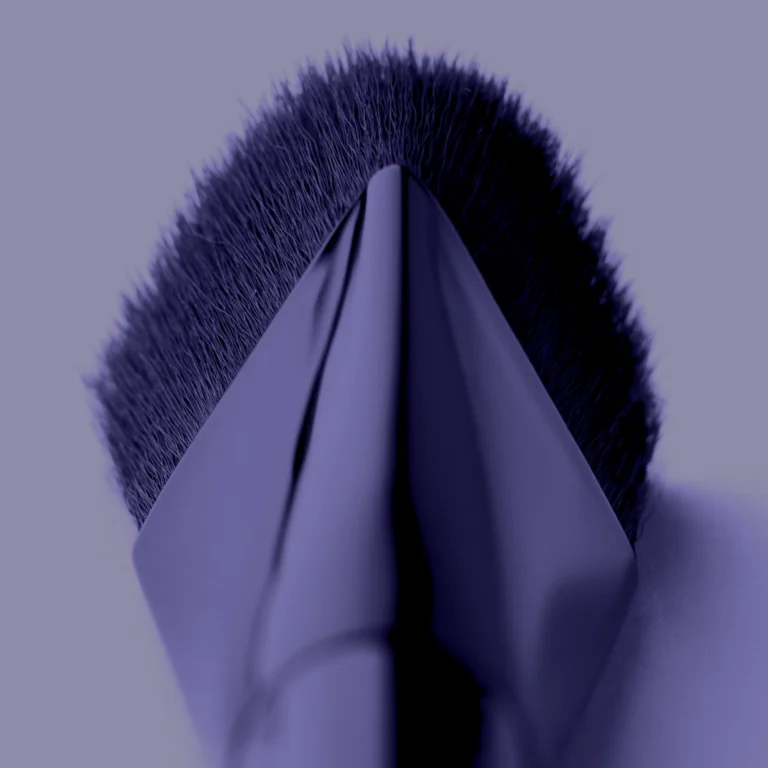
Precision-shaped heads engineered for liquid foundation, concealer, powder, and eye artistry.
Discover Range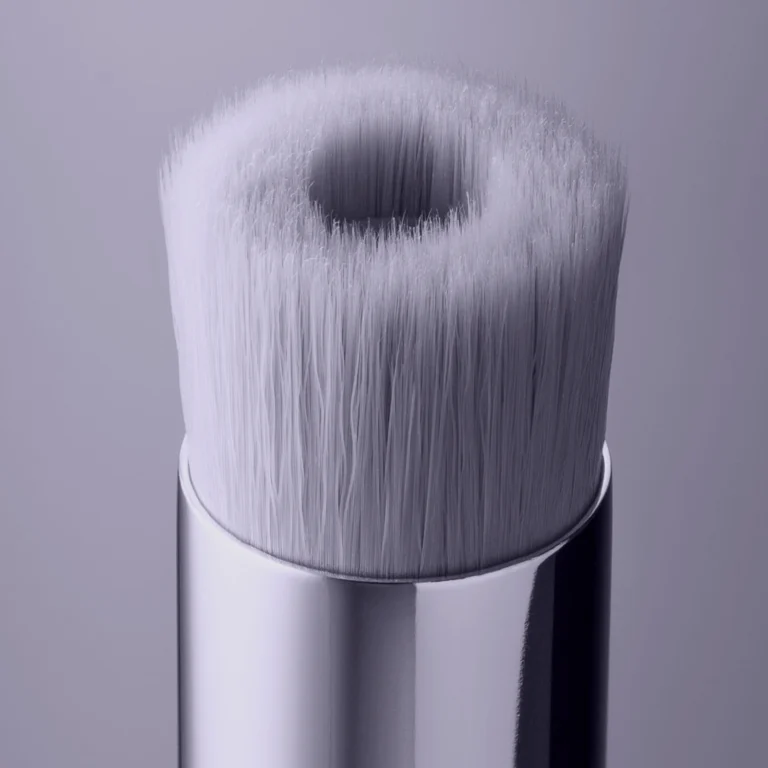
Hygienic, non-porous applicators crafted for potent serums, peel treatments, and facial masks.
Discover Range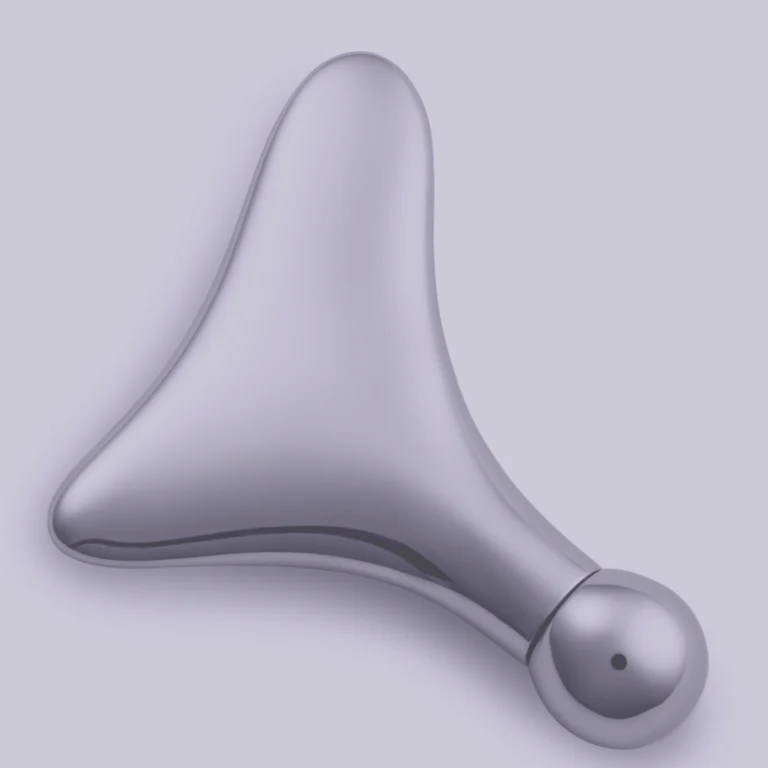
Cryo-thermal rollers, cooling zinc alloy applicators, and micro-contouring facial massagers.
Discover Range
Proprietary cruelty-free synthetic filaments tuned for pick-up density and velvety soft payoff.
Discover RangeHow advanced material science and automated manufacturing transform concept sketches into industry-defining cosmetic applicators.
The core innovation behind modern cosmetic applicator tools lies in filament customization. Traditional goat, squirrel, or pony hair possesses inconsistent cuticle structures that degrade over time and break under repeated cleaning. Anisa International’s synthetic fiber technology replaces unpredictable natural hair with micro-engineered PBT (Polybutylene Terephthalate) and PET polymers. Through precision thermal drawing and chemical tipping processes, we create specific filament topographies:
Applicator handles and ferrules are engineered to act as natural extensions of the human hand. By utilizing precision weight-distribution modeling, Anisa International creates balanced handles from sustainable PCR resins, FSC-certified woods, or mono-material aluminum components. Ferrules undergo double-crimping procedures and high-pull-strength adhesive anchoring to ensure zero shed rates across thousands of wash cycles. This structural integrity guarantees that prestige tools maintain their aesthetic elegance and structural performance throughout their multi-year product lifecycle.
We analyze fluid viscosity, yield stress, and wet-out properties to formulate ideal bristle density, filament stiffness, and cut geometry for every cosmetics stock keeping unit (SKU).
Integrates silver-ion and zinc-based treatments directly into synthetic filament extrusion matrixes, suppressing micro-bacterial propagation on skincare and mask brushes.
Accelerates launch velocity through in-house 3D printing, rapid fiber tufting, and formula payoff verification within 7 to 14 business days.
Key strategic shifts reshaping how brand managers, procurement directors, and cosmetic chemists select applicator supplier partners.
Global regulatory frameworks (such as the EU Packaging and Packaging Waste Directive) are driving demand for mono-material cosmetic tools. Future-forward brand sourcing centers on applicators constructed entirely from recycled PET, aluminum, or bio-resins where ferrules, handles, and fibers can enter single-stream recycling systems without requiring manual disassembly.
The distinction between beauty tools and skincare delivery systems continues to dissolve. Procurement trends highlight rapid growth in cooling metal alloy tips, stainless steel cryo-wands, and micro-massaging applicators designed to enhance micro-circulation, reduce puffiness, and improve serum bio-availability during daily facial application rituals.
As waterless cosmetics, solid sticks, and anhydrous balm formulas expand, modern applicators are adapting to dense, low-fluidity textures. Specially cut dense flat-top buffing heads and flexible elastomeric silicone tips allow consumers to pick up concentrated formulations effortlessly without dragging fragile facial skin.
Global enterprise buyers require complete traceability across supply chains. Factory audits evaluating carbon footprints, SMETA ethical labor compliance, ISO 9001 quality assurance, and REACH chemical safety standards have become mandatory prerequisites for prestige beauty applicator sourcing contracts.
Over three decades ago, Anisa Telwar Kaicker founded Anisa International in Atlanta with a revolutionary premise: the applicator touching human skin is just as vital as the cosmetic formula in the bottle.
Today, as an industry pioneer awarded top honors across global beauty publications, Anisa Telwar Kaicker leads an international enterprise dedicated to ethical manufacturing, cruelty-free fiber innovations, and collaborative partnerships with the world's most prestigious beauty brands.
“As we learn more, we do more. True innovation occurs when design empathy meets rigorous material science.”
With operating bases in Atlanta, New York, and Los Angeles alongside company-owned manufacturing hubs, our team delivers seamless communication, trend forecasting, and enterprise OEM reliability from initial brief to global retail launch.
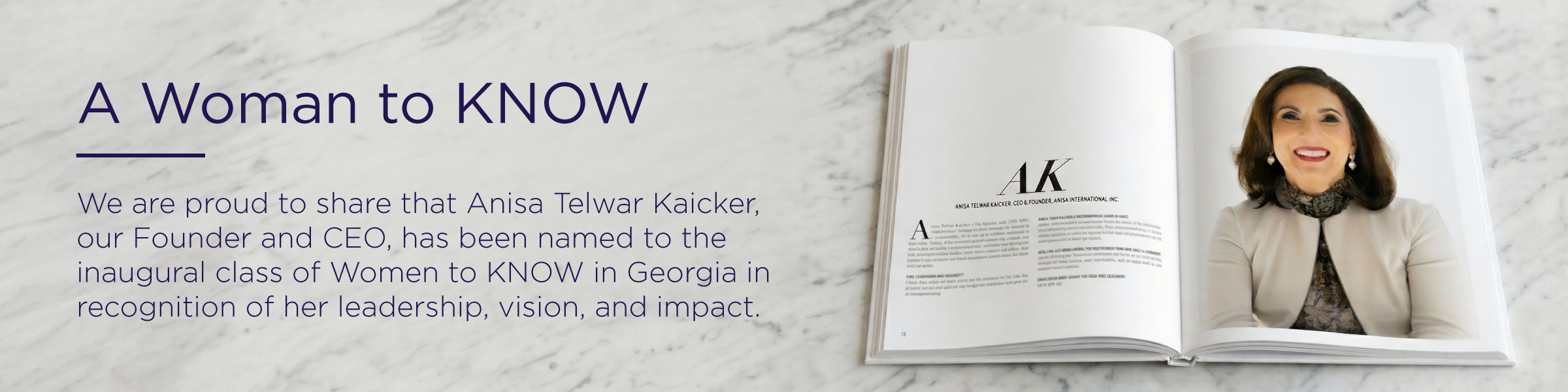
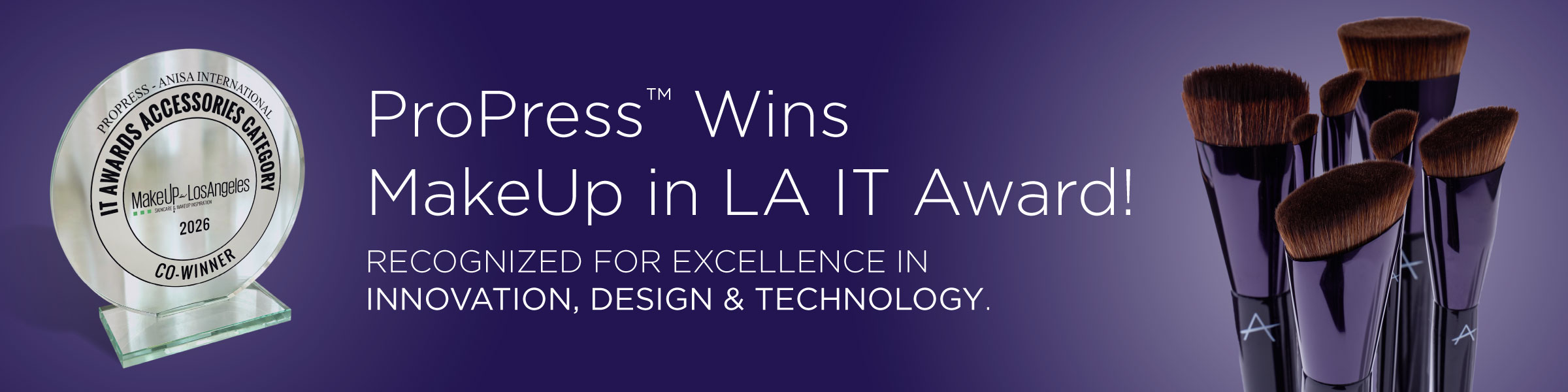
Consistently honored by global packaging authorities and cosmetics trade media for trailblazing design and manufacturing excellence.
A transparent, milestone-driven co-development process engineered specifically for brand managers and procurement specialists.
We evaluate your formulation physics, target price point, aesthetic guidelines, and global launch timeline.
Industrial design models and bespoke fiber blends are digitally rendered and optimized for ergonomics.
Functional sample tools are tufted and tested directly against your liquid, cream, or powder formula.
Tooling drawings, material compliance sheets, color matches, and QA tolerance criteria are finalized.
Precision automated tufting, ferrule crimping, and multi-stage manual inspections execute under ISO standards.
Audit-ready packaging, custom freight coordination, and ongoing supply chain restocking management.
Clear, authoritative answers to high-intent questions asked by beauty buyers, packaging engineers, and sourcing directors.
Modern cosmetic applicator tools integrate advanced ergonomic handle designs, patented synthetic fiber structures, non-porous hygiene barriers, and formula-specific geometry. Unlike legacy off-the-shelf brushes, modern tools are engineered around specific formula rheologies—such as serum-in-silicone emulsions, anhydrous creams, or micronized powders—to optimize pickup, release, and skin barrier interaction.
By pairing customized fiber crimps with high-precision ferrule crimping and weighted handle balance, modern tools enhance consumer application satisfaction while elevating brand perception.
Global brands are transitioning to synthetic brush fibers due to ethical commitments, superior product durability, and enhanced functional performance. Engineered synthetic filaments (such as PBT polymers) offer consistent micro-denier diameters, zero shedding, and immunity to bacterial growth when washed.
Furthermore, synthetic fibers can be customized with specific surface textures—such as micro-wavy profiles or tapered tips down to 0.02mm—that hold liquid formulas on the fiber exterior rather than absorbing them into an organic core, reducing cosmetic product waste by up to 30% per application.
Our co-development process starts with empirical laboratory testing of your specific formulation. We analyze key rheological parameters including viscosity, yield stress, surface tension, and drying time. Our R&D team then selects or engineers specific synthetic filaments, tuft densities, and head shapes that complement the formula's physics.
This scientific approach ensures effortless blending, zero dragging, controlled pickup, and uniform distribution on skin, creating a seamless synergy between formula performance and tool design.
We provide a comprehensive range of eco-responsible material options including Post-Consumer Recycled (PCR) plastics for handles, bio-based resins derived from renewable biomass, FSC-certified woods, recyclable aluminum ferrules, and mono-material assemblies engineered for end-of-life recycling.
All sustainable material formulations undergo rigorous drop-testing, chemical exposure validation, and durability testing to ensure they meet prestige market luxury standards.
Minimum order quantities (MOQs) and lead times vary based on custom tooling requirements, fiber extrusion specifications, and packaging decoration techniques. Standard sample development typically requires 2 to 3 weeks, while full mass production runs average 8 to 14 weeks following final design lock.
Our account teams in Atlanta, New York, and Los Angeles collaborate closely with your procurement specialists to structure scalable production schedules that align with your retail launch dates.
Skincare tools are specially engineered to interact with active skincare ingredients without absorbing moisture or introducing bacteria. They often feature non-porous materials like medical-grade silicone, zinc alloys, stainless steel cryo-tips, or antimicrobial-treated synthetic filaments.
These specialized tools prevent formula degradation, provide cooling and micro-massaging benefits, and deliver hygienic application for face masks, eye creams, peel treatments, and potent serums.
Anisa International operates under ISO 9001 certified quality management systems and regular SMETA (Sedex Members Ethical Trade Audit) social accountability reviews. Our manufacturing processes strictly comply with international safety regulations including US FDA guidelines, EU REACH chemical compliance, and Proposition 65 standards.
We maintain full batch traceability and supply chain transparency, offering audit-ready peace of mind for multinational beauty enterprises.
Whether launching a groundbreaking formula, updating a core brush line, or engineering a bespoke skincare applicator tool, our team is ready to bring your vision to life.
Contact Us