
Featured Cosmetic Applicators & Tools Showcase
Engineered for precise pickup, flawless release, and compliance with global dermatological safety standards.
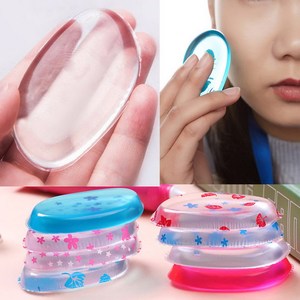
Silicone Makeup Sponge
Contact Us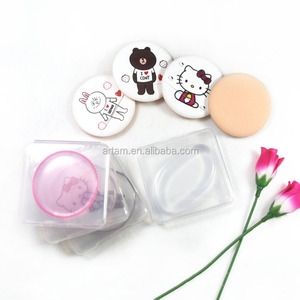
Custom Facial Cleaning Puff & Silicone Sponge Set
Contact Us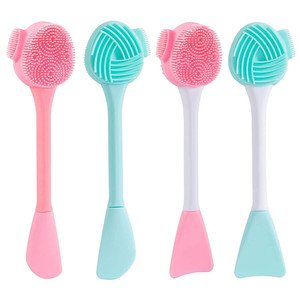
Soft Silicone Facial Cleansing & Exfoliating Scrubber
Contact Us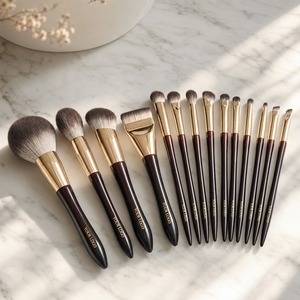
Private Label Wooden Vegan 14Pcs Powder & Face Brush Set
Contact Us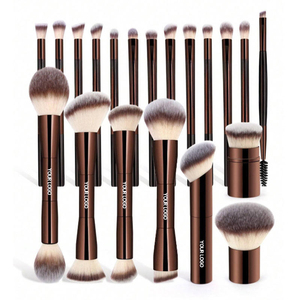
Dual-Ended Cruelty-Free Soft Synthetic Fiber Brush Set
Contact Us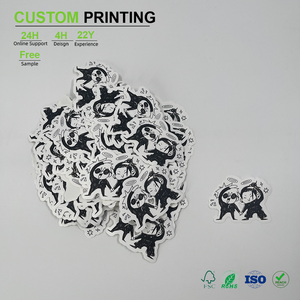
Custom Labeling & Packaging Branding Solutions
Contact Us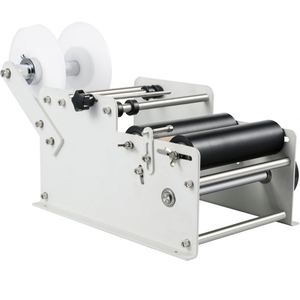
Semi-Automatic Applicator & Cosmetic Packaging Equipment
Contact Us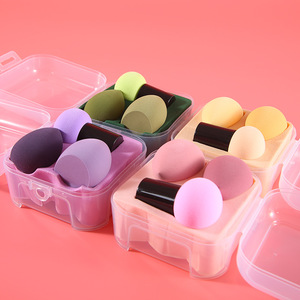
Non-Absorbing Reusable Silicone Foundation Blender
Contact UsExecutive Summary: The Sourcing Shift in the South African Cosmetic Tool Landscape
The South African beauty and personal care industry is experiencing a structural evolution. Driven by rising disposable income in metropolitan hubs like Johannesburg, Cape Town, and Durban, alongside a burgeoning consumer appetite for clean, dermatologist-tested, and cruelty-free cosmetics, the demand for high-precision makeup applicators has surged. Soft powder brushes—the flagship applicator for setting powders, mineral bronzers, touch-up compacts, and blushes—stand at the center of this transformation.
Historically reliant on generic, low-grade animal hair imports or standard synthetic brush sets from unverified trading entities, South African brand owners, private label cosmetics lines, and retail chain buyers (such as those supplying Dis-Chem, Clicks, and Edgars) are now shifting their procurement strategies. Buyers actively seek direct partnerships with certified B2B OEM/ODM factories capable of engineering synthetic fibers specifically matched to local atmospheric conditions and diverse melanin-rich skin types.
This whitepaper provides an exhaustive benchmark for procurement managers, brand founders, and cosmetic supply chain directors operating within the South African Development Community (SADC) region. It evaluates technical fiber physics, climate-induced makeup challenges, local compliance standards, import duty structures under SARS (South African Revenue Service), and factory selection parameters necessary to achieve high market penetration and brand equity.
Key Takeaway for B2B Sourcing Managers: Modern powder formulas in South Africa demand specialized synthetic filament architecture. Traditional goat or pony hair degrades rapidly under high humidity and sub-Saharan UV index levels, making engineered PBT/PET synthetic fibers the new industry gold standard for performance, hygiene, and ethical compliance.
1. Localized Application Scenarios & Climate Dynamics in South Africa
To design or source an effective soft powder brush for the South African consumer, one must first analyze the unique environmental microclimates and daily beauty rituals across the country's provinces. Powder applicators are not "one-size-fits-all" tools; their physical performance is heavily impacted by ambient humidity, solar intensity, and regional skin oiliness profile.
The Highveld Arid Heat (Gauteng & Free State)
In Johannesburg and Pretoria, high altitude combined with intense dry heat causes rapid skin moisture loss while accelerating midday sebum production. Soft powder brushes must deliver controlled, ultra-thin layers of translucent mattifying powder without disturbing underlying hydration barriers or causing cakey buildup in fine lines.
Coastal Humidity & Sun Protection (Western & Eastern Cape, KZN)
In Cape Town and Durban, elevated humidity levels cause loose setting powders to cluin p damp environments. Soft powder brushes used here require micro-crimped fibers that prevent powder clumping inside the ferrule head, guaranteeing a silky, even diffusion of SPF-infused mineral powders across the face and neckline.
Dermatological Sensitivity & Hyperpigmentation Focus
African skin types exhibit elevated susceptibility to post-inflammatory hyperpigmentation (PIH). Harsh, low-cost animal hair bristles can create micro-abrasions on the epidermis, triggering inflammation. Ultra-soft synthetic bristles with 0.05mm ground tips provide non-irritating, cloud-like contact suitable for sensitive, acne-prone, or melasma-treated skin.
2. Fiber Engineering Benchmark: Synthetic Innovation vs. Traditional Animal Hair
For decades, natural animal hair (goat, squirrel, pony) was viewed as the standard for high-end powder brushes due to its porous cuticle structure that grabs dry pigments easily. However, in the context of modern B2B beauty manufacturing—and specifically within South Africa’s ethical consumer landscape—animal hair presents severe quality control and ethical liabilities:
- Cuticle Degradation: Natural hair absorbs natural skin oils and moisture, becoming stiff, abrasive, and malodorous over repeated washing cycles in warm climates.
- Bacterial Harboring: Porous animal fibers act as breeding grounds for Staphylococcus and Propionibacterium acnes under humid conditions.
- Ethical Non-Compliance: South African consumers increasingly reject animal testing and slaughter byproducts, preferring PETA-approved Cruelty-Free certification.
Leading global OEM/ODM factories, such as Anisa International, have pioneered advanced synthetic fiber extrusion technology using Polybutylene Terephthalate (PBT) and Polyethylene Terephthalate (PET) polymers. Through proprietary mechanical wave-crimping and chemical tip-tapering, synthetic soft powder brushes now exceed natural hair in both softness and functional performance metrics.
| Performance Parameter | Advanced Synthetic PBT Fiber | Standard Goat Hair (Grade A/B) | Generic Nylon Fiber |
|---|---|---|---|
| Tip Fineness (Microns) | 0.05mm – 0.07mm Tapered | 0.08mm – 0.12mm Irregular | 0.10mm Blunt Cut |
| Powder Pickup & Release Ratio | 94.8% Controlled Payoff | 78.2% High Retention (Wasted Product) | 62.0% Low Pickup (Slips off) |
| Wash Cycle Longevity | 500+ Washes without Shape Loss | 50–80 Washes before Fraying | 200+ Washes (Fibers Bend) |
| Antimicrobial Resistance | 100% Non-Porous / Silver Ion Option | Low (Porous, Retains Bacteria) | Moderate |
| Ethical Compliance | 100% Vegan & Cruelty-Free | Non-Vegan / High Supply Chain Risk | Vegan |
3. Industry Trends Shaping the South African Cosmetic Tool Market
As a senior SEO Growth Director and cosmetic market strategist, tracking user search intent and procurement queries reveals key structural trends reshaping the B2B supply chain across Sub-Saharan Africa:
A. Expansion of Private Label Beauty Brands in Retail Chains
Major South African pharmacy and beauty retail giants are aggressively expanding their private-label applicator portfolios. Retail buyers seek OEM partners who can deliver shelf-ready packaging, custom Pantone-matched ferrule colors, laser-engraved branding, and pre-packaged barcode compliance (EAN-13) for seamless logistics into centralized distributions centers in Midrand and Cape Town.
B. The Rise of Clean Beauty & Hygiene-First Applicators
Post-pandemic consumer awareness has driven demand for antimicrobial-infused brush filaments. Modern synthetic fibers can be embedded with non-toxic silver-ion antimicrobial agents during polymer extrusion, suppressing 99.9% of bacterial growth on the brush head—a compelling marketing claim for South African brands targeting high-end derm-clinics and beauty salons.
C. Sustainable Handles & Recycled Materials
ESG (Environmental, Social, and Governance) compliance is now a mandatory vendor assessment metric for major retail buyers. Top-tier soft powder brush exporters must provide sustainable options, such as Forest Stewardship Council (FSC)-certified wooden handles, post-consumer recycled (PCR) aluminum ferrules, and biodegradable bio-resin handles derived from plant starches.
4. Sourcing & Manufacturing Benchmark: Evaluating Exporters for South Africa
When South African purchasing managers evaluate foreign factories and exporters (primarily in global manufacturing hubs like China and Southeast Asia), price per unit is only one component of the total cost of ownership. Strategic buyers utilize a comprehensive audit checklist across five critical operational pillars:
- Structural Ferrule Integrity & Glue Chemistry: High humidity in coastal ports like Durban can cause inferior epoxy glues inside brush ferrules to soften, leading to mass bristle shedding. Factories must use medical-grade, heat-cured polyurethane epoxies that withstand pull-tension tests exceeding 15 kg.
- Anodized Non-Corrosive Ferrules: Aluminum ferrules must undergo thick anodization or brass electroplating to resist rust and oxidation under salt-air atmospheric conditions during maritime shipping and local usage.
- Regulatory & Social Audit Compliance: Exporters must hold ISO 9001 (Quality Management), ISO 22716 / GMP (Cosmetic Good Manufacturing Practice), and social compliance audit certificates such as SA8000 or BSCI to satisfy corporate procurement governance.
- Durban & Cape Town Freight Routing Optimization: Experienced exporters understand maritime routes targeting Durban (Pier 1 and Pier 2 container terminals) or Cape Town Harbor, preparing complete SARS-compliant customs declarations (HS Code 9603.29/9603.30) to avoid customs delays, demurrage fees, and tariff misclassifications.
- Formula-First Prototyping Capabilities: Reliable OEM manufacturers do not merely produce static brush designs; they analyze the client’s specific powder formulation (pressed mineral, loose translucent, baked powder) and engineer bristle density, tuft height, and head shape accordingly.
5. Enterprise Profile & OEM Competency: Anisa International Model
Pioneering the modern cosmetic applicator industry since 1992 under the vision of founder Anisa Telwar Kaicker, Anisa International represents the benchmark for formula-first design, cruelty-free fiber research, and responsible global manufacturing. With headquarters in Atlanta and strategic regional offices in New York and Los Angeles, complemented by state-of-the-art vertically integrated manufacturing facilities, Anisa sets the standard that leading global beauty brands depend on.
Unlike standard trading intermediaries or basic brush factories, Anisa controls every tier of the production process—from initial fiber extrusion and custom filament blending to industrial handle ergonomics, precision ferrule crimping, and automated quality assurance inspection. By bridging deep dermatological understanding with modern manufacturing technology, brand partners receive cosmetic tools engineered specifically to elevate their cosmetics' performance on skin.
Core OEM & Private Label Services Offered to South African Brand Partners:
- Patented Fiber Customization: Engineering bespoke synthetic fiber blends with varied micro-waves, filament thicknesses, and pickup dynamics tailored to specific powder cosmetics.
- Rapid Prototyping & Sampling: Turning industrial CAD concepts into physical functional prototypes within 7 to 14 business days for line review meetings.
- End-to-End Packaging Integration: Designing custom eco-friendly cartons, velvet sleeves, travel pouches, and retail display units ready for African retail distribution.
- Strict QC Checkpoints: Executing 100% in-line visual inspections, bristle pull-force testing, ferrule alignment audits, and drop testing prior to export container loading.
Frequently Asked Questions (FAQ) for B2B Sourcing
Addressing common procurement, technical, and logistical queries from South African buyers.
What is the typical lead time for custom OEM soft powder brush orders shipping to South Africa?
Standard lead times for mass production range between 35 to 45 calendar days following final sample approval and deposit confirmation. Maritime shipping from Asian manufacturing ports to Durban Port typically requires an additional 20 to 28 days in transit. Air freight options via O.R. Tambo International Airport (Johannesburg) are available for urgent product launches, reducing transit time to 5-7 days.
Why are synthetic soft powder brushes superior to natural goat hair for the South African market?
Synthetic PBT fibers offer superior durability, zero animal cruelty concerns, and high resistance to heat and humidity. Unlike goat hair, engineered synthetic filaments do not absorb moisture or skin oils, maintaining consistent softness and shape over hundreds of wash cycles. Furthermore, synthetic brushes are non-porous, reducing bacterial accumulation—a critical factor for sensitive skin in warm climates.
What are the minimum order quantities (MOQs) for custom private label soft powder brushes?
Standard OEM Minimum Order Quantities (MOQs) typically start at 3,000 to 5,000 units per brush design for fully customized handles (custom PMS color, custom shape, laser logo). For standard existing handle molds with custom logo printing, lower MOQs starting from 1,000 units can be accommodated depending on raw material availability.
How do you ensure customs clearance compliance under SARS regulations for South African imports?
Our export documentation team provides comprehensive commercial invoices, detailed packing lists with precise HS Code classification (e.g., HS 9603.30 for cosmetic brushes), Certificates of Origin (COO), and Bill of Lading (B/L) documents. All shipments comply with SARS guidelines to ensure fast customs clearance and prevent demurrage fees at Durban or Cape Town ports.
Can we request sustainable or eco-friendly materials for brush handles and ferrules?
Yes. We offer a broad range of sustainable material options, including FSC-certified responsibly harvested wood, 100% recycled aluminum ferrules, post-consumer recycled (PCR) plastics, and wheat-straw bio-resin handles. We also provide plastic-free retail packaging made from recycled kraft paper or biodegradable cornstarch pouches.
How can South African brand owners request custom samples and initiate a manufacturing project?
Brands can initiate a project by clicking the Contact Us link to connect with our engineering team. Simply provide your target formula details, estimated annual volume, design concept, and launch timeline. Our team will review your specifications and provide physical samples along with an itemized FOB cost quotation.
Ready to Elevate Your Brand's Applicator Line in South Africa?
Partner with a global leader in formula-first cosmetic brush design, cruelty-free synthetic fiber innovation, and audit-ready B2B manufacturing.
Contact Us