
Featured Skincare Tools & Cleansing Devices
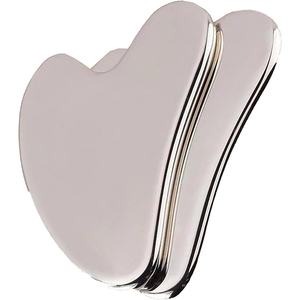
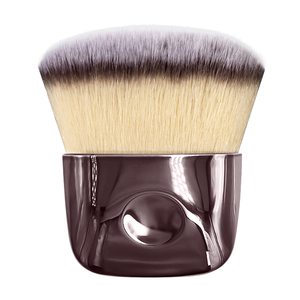
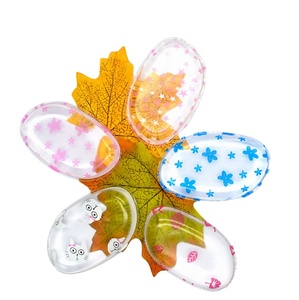
Explore our wholesale export-grade facial brushes, body scraping tools, and cosmetic applicators manufactured to rigorous ISO 22716 and GMP standards.
Executive Summary: The B2B Landscape of Electric Cleansing Brushes in Nigeria
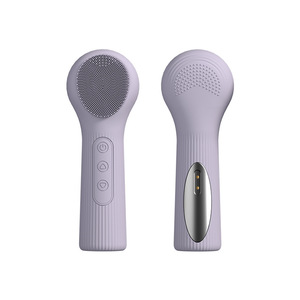
The West African personal care and beauty technology sector is experiencing unprecedented structural growth. Driven by a rapidly expanding urban middle class across commercial hubs like Lagos, Abuja, Port Harcourt, and Kano, consumer demand in Nigeria has rapidly transitioned from traditional topical cleansers toward dermatologist-grade electro-cosmetic devices. At the forefront of this shift is the electric cleansing brush—a high-frequency sonic vibrating tool engineered for deep pore exfoliation, sebum regulation, and enhanced cutaneous absorption of topical formulations.
For B2B buyers, beauty brand founders, retail chains, and institutional importers operating within Nigeria, sourcing directly from specialized electric cleansing brush manufacturers and high-precision contract assembly factories represents a decisive competitive advantage. However, navigating international OEM/ODM manufacturing pipelines requires deep technical evaluation. Suppliers must deliver robust thermal engineering, food-grade hypoallergenic silicone molding, IPX7 waterproof integrity, and electrical safety profiles compatible with West Africa’s regional power grids and variable climate conditions.
Strategic Sourcing Insight for West African Buyers
Success in importing high-tech cosmetic appliances into Nigeria relies on balancing production scalability with local regulatory conformity. Partnering with experienced export-focused manufacturers ensures seamless compliance with the Standards Organisation of Nigeria Conformity Assessment Program (SONCAP) while reducing per-unit landed costs through optimized container logistics.
Get a Quote1. Localized Application Scenarios & Dermatological Mechanics in West Africa
To successfully capture market share in Nigeria, electric facial cleansing devices must be engineered specifically for the regional climate and physiological skin requirements of West African consumers.
Harmattan Dust & Urban Pollution Filtration
During the Harmattan season, fine particulate dust (PM2.5 to PM10) sweeps across Northern and Central Nigeria into coastal zones. Electric cleansing brushes utilize high-frequency micro-pulsations (8,000–12,000 RPM) to dislodge embedded dust particles and urban pollutants from hair follicles far more effectively than manual washing.
Sebum Hyper-Secretion Control
Nigeria's year-round tropical humidity stimulates sebaceous gland hyperactivity, resulting in clogged pores, acne vulgaris, and comedone formation. Sonic silicone cleansers gently emulsify excess lipids without stripping the skin's moisture barrier, maintaining optimal epidermal pH balance.
Enhanced Transdermal Active Delivery
By removing hyper-keratinized dead skin cells, electric cleansing brushes boost the skin's permeability to localized serum formulations, vitamin C oils, and anti-hyperpigmentation treatments widely favored in Nigerian clinical skincare routines.
2. Engineering & OEM Technical Specifications Whitepaper
Commercial buyers must evaluate factory engineering capabilities prior to placing large-scale custom orders. Below is an engineering specification matrix reflecting modern standards for export-grade electric cleansing devices designed for global and Nigerian markets:
| Engineering Parameter | Standard Consumer Grade | Industrial OEM Export Grade (Recommended) | B2B Sourcing Relevance for Nigeria |
|---|---|---|---|
| Motor Mechanics | Eccentric Rotary Motor (3,000 RPM) | Acoustic Sonic Transducer (8,000 - 15,000 VPM) | Sonic vibration prevents mechanical skin abrasion in tropical heat. |
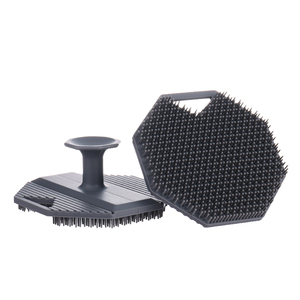
| Contact Surface Material | Standard Nylon Bristles | FDA-Approved Medical Grade Liquid Silicone | Prevents bacterial growth under high humidity conditions. |
| Ingress Protection (Waterproofing) | IPX5 (Splash Proof) | IPX7 Dual-O-Ring Ultrasonic Sealing | Ensures 100% submersion safety in humid shower environments. |
| Thermal Assistance Module | None | Constant Temperature 42°C Thermal Massager | Opens pores dynamically to aid deep cleansing during humid cycles. |
| Battery Chemistry & Charging | 300mAh Ni-MH / Micro-USB | 800mAh Pure Cobalt Li-ion / Magnetic USB Contact | Extends battery life during erratic local power grid availability. |
When manufacturing electric cleansing brushes, medical-grade silicone vulcanization is superior to standard nylon bristles. In humid climates like Port Harcourt or Lagos, moisture retained in dense nylon bristle bundles can foster fungal and bacterial proliferation. Non-porous, quick-drying silicone touchpoints eliminate this biosecurity risk, ensuring high hygienic performance for end consumers.
3. Localized Market Trends & Consumer Intent Mining in Nigeria
Search intent mining and local e-commerce analytics reveal several macro trends shaping the procurement choices of Nigerian importers and brand owners:
- ✔ Surge in Private-Label Beauty Brands: Content creators, dermatologists, and beauty entrepreneurs across Lagos and Abuja are launching private-label skincare lines. They seek factories capable of low MOQs (Minimum Order Quantities) with custom laser engraving, customized pantone silicone colors, and bespoke retail box design.
- ✔ Demand for Multi-Functional Hybrid Devices: Consumers increasingly prefer 3-in-1 multifunctional devices that combine facial cleansing, thermal massage, and targeted eye-contour micro-current stimulation, maximizing perceived product value.
- ✔ E-Commerce & Social Commerce Acceleration: Sales channels on Instagram, TikTok, Jumia, and Konga rely on visually distinctive product aesthetics. Sleek matte finishes, ergonomic curved profiles, and rose gold accents drive higher click-through rates (CTR) and conversion rates in social commerce ad campaigns.
4. Enterprise Manufacturing Leadership: The Anisa International Benchmark
Building on more than three decades of global applicator innovation, our partner manufacturing facilities operate under strict industrial discipline. We combine formula-first design principles with custom synthetic fiber science and precision electronic assembly.
Strict Quality Control & Auditing
Every electric cleansing brush undergoes 100% automated acoustic vibration testing, battery charge-discharge cycle verification, and air-pressure water immersion testing prior to packaging.
Custom Tooling & Industrial Design
Our rapid prototyping services enable beauty brands to develop custom silicone bristle configurations, proprietary handle shapes, and unique brand identities with minimal upfront tooling lead times.
End-to-End Export Logistics
We provide complete documentation for West African customs clearance, offering FOB, CIF, or DDP shipping terms directly to Apapa, Tin Can Island, or Lagos air cargo hubs.
5. Regulatory Compliance & Importation Guide for Nigeria
Importing electronic beauty appliances into Nigeria requires adherence to federal statutory guidelines to avoid port delays, customs seizures, or regulatory penalties.
Key Regulatory Steps for Nigerian Importers:
- SONCAP Certification: Electric devices featuring rechargeable batteries must obtain a Product Certificate (PC) and SONCAP Certificate (SC) issued by accredited inspection agencies such as SGS, Intertek, or Cotecna.
- NAFDAC Requirements: When electric cleansing brushes are bundled with cosmetic skin formulations or topical cleansers, the accompanying liquid product must undergo registration with the National Agency for Food and Drug Administration and Control (NAFDAC).
- Electrical Safety Compliance: Power adapters and USB charging modules must support standard 220V–240V, 50Hz electrical inputs, incorporating surge protection circuits to withstand voltage fluctuations common in local grids.
6. Frequently Asked Questions (FAQ) for Nigerian Buyers
Below are authoritative answers to common inquiries raised by Nigerian wholesalers, beauty brand managers, and procurement officers during the factory sourcing process:
What is the typical Minimum Order Quantity (MOQ) for custom electric cleansing brushes?
For standard factory-color silicone models with custom logo silk-screening or laser etching, MOQs start as low as 500 to 1,000 units. For fully customized pantone silicone colors, bespoke handle molding, or custom retail packaging design, typical OEM production runs start at 3,000 units per variant.
How do you ensure battery safety during long ocean freight shipping to Lagos ports?
All lithium-ion batteries integrated into our cleansing brushes are certified under UN38.3, MSDS, and CE safety protocols. Devices are shipped in state-of-charge (SoC) compliance under 30% capacity within insulated, anti-static packing trays, preventing thermal runaway or degradation during maritime transit through equatorial sea routes.
Can your factory assist with SONCAP testing and certification paperwork?
Yes. We provide complete technical files, including CE, RoHS, FCC, and MSDS test reports from accredited laboratories (such as SGS or TÜV), allowing your logistics provider or import broker in Nigeria to swiftly secure the SONCAP Product Certificate (PC).
Are silicone facial cleansing brushes suitable for dark skin tones prone to hyperpigmentation?
Absolutely. Melanin-rich skin tones are particularly susceptible to post-inflammatory hyperpigmentation (PIH) caused by aggressive mechanical scrubbing. Our ultra-soft medical silicone bristles utilize micro-sonic oscillation rather than abrasive rotational scrubbing, offering gentle cleansing without inducing skin micro-tears or inflammatory melanin overproduction.
What payment terms and currency hedging options are available for West African clients?
We support standard international B2B payment methods including Telegraphic Transfer (T/T - 30% deposit, 70% balance prior to shipment) and confirmed Irrevocable Letters of Credit (L/C at sight). For established regional partners, we coordinate with accredited international trade finance channels to facilitate smooth commercial transactions.
What is the lead time from sample approval to final delivery in Nigeria?
Custom sample development and logo proofing take approximately 7–10 business days. Mass production requires 25–30 days. Air freight transit to Lagos (LOS) takes 5–7 days, while sea freight container shipping to Apapa or Tin Can Island takes roughly 35–45 days depending on shipping line routing.
Partner with a World-Class Electric Cleansing Brush Manufacturer
Ready to launch or expand your beauty technology brand in Nigeria and West Africa? Request a comprehensive quotation, engineering catalog, or custom OEM factory proposal today.