
Engineering Excellence in Cosmetic & Skincare Tool Manufacturing
As a global authority in custom skincare tool design, OEM manufacturing, and bio-synthetic fiber innovation, our enterprise—pioneered in Atlanta in 1992—has bridged the gap between skincare formulas and tactile application. This technical guide outlines market trends, formula-to-tool dynamics, and sustainable procurement strategies for prestige global beauty brands.
Featured Custom Skincare Tools & Applicators Showcase
Explore our signature medical-grade silicone tools, microcurrent beauty devices, and precision synthetic brushes crafted for modern skincare and cosmetic formulas.
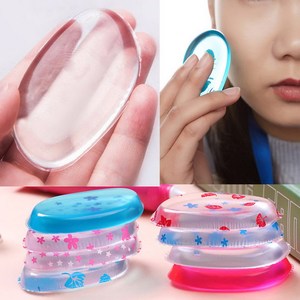
Silicone Makeup Sponge
Non-porous, medical-grade silicone applicator engineered for zero formula absorption and effortless liquid foundation blending.
Inquire Now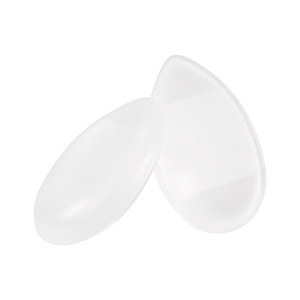
Silicone Air Cushion Powder Puff
Hygienic, easy-to-clean transparent cosmetic blender designed for flawless foundation and serum barrier application.
Inquire Now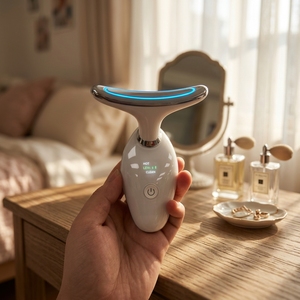
EMS Neck Wrinkle Massager
Advanced EMS microcurrent and thermal rejuvenation sculpting device tailored for private label skincare device lines.
Inquire Now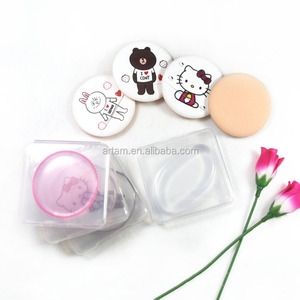
Custom Boxed Silicone Beauty Sponge
High-precision molded silicone facial cleansing and makeup puff packaged in custom branded protective retail boxes.
Inquire Now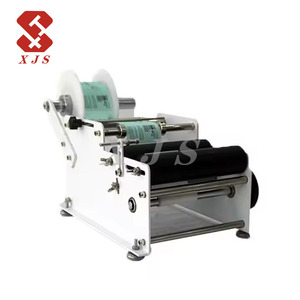
Semi-Automatic Packaging Labeler
Commercial manual-assisted labeling equipment (10-30 pcs/min) designed for streamline secondary packaging of custom tool lines.
Inquire Now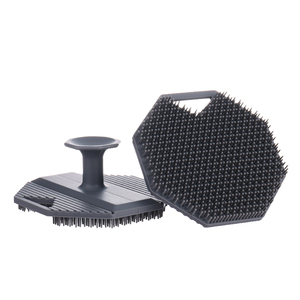
LOHAS Silicone Exfoliator Scrubber
Ergonomic facial exfoliating scrubber with micro-silicone bristles for deep pore cleansing and delicate tactile massage.
Inquire Now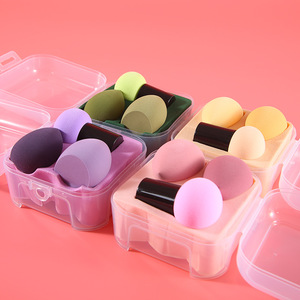
Non-Absorbing Silicone Blender
Washable and endlessly reusable foundation applicator preventing cosmetic bacteria accumulation and product wastage.
Inquire Now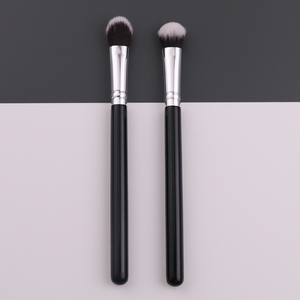
Angled Face Contour Brush
Professional cruelty-free synthetic filament brush featuring a precision-lathed wooden handle for targeted sculpting and lip contouring.
Inquire NowWhy Leading Global Brands Partner With Our Manufacturing Hubs
Founded in 1992 by industry visionary Anisa Telwar Kaicker, our corporate structure blends North American design intelligence (Atlanta HQ, New York, Los Angeles design studios) with vertically integrated manufacturing facilities.
Formula-First Engineering
We do not treat tools as secondary accessories. Our industrial designers analyze formula viscosity, shear rates, surface tension, and active ingredient delivery to engineer synthetic fiber crimps, silicone durometers, and cooling metal surfaces that maximize product efficacy.
Proprietary Synthetic Fiber Science
With a steadfast commitment to 100% cruelty-free production, we develop custom extruded synthetic filaments that mirror or exceed animal hair performance. Our proprietary fiber micro-textures optimize formula pickup, smooth release, and longevity through hundreds of wash cycles.
End-to-End Quality Governance
From raw material batch testing (REACH, FDA food-grade silicone compliance) to automated tensile strength testing on brush ferrules and microcurrent safety audits, every product batch undergoes multi-stage ISO 22716 inspection protocols before international dispatch.
2025–2030 Global Skincare Tool Manufacturing & Procurement Whitepaper
The beauty and personal care industry is undergoing a paradigm shift. Consumers no longer view skincare tools as luxury add-ons; instead, they recognize applicators, facial massagers, and microcurrent devices as essential vehicles that directly influence active ingredient absorption. For global brand directors, procurement officers, and product developers, selecting a top trusted custom skincare tools manufacturer requires evaluating engineering rigor, material safety, sustainable practices, and formula pairing expertise.
1. The Physics of Application: Formula-to-Tool Synergy
Traditional cosmetic sponges absorb up to 35% to 50% of liquid serums and foundation formulations during application. This absorption not only creates substantial economic waste for consumers using high-potency treatments (such as vitamin C serums, hyaluronic acid complexes, and peptide creams) but also creates a breeding ground for bacterial growth within open-cell foam structures.
To address this challenge, our OEM research labs introduced zero-porosity medical-grade silicone applicators and non-absorbent elastomeric blenders. By controlling durometer hardness (ranging from 10A to 45A Shore hardness) and applying biocompatible surface coatings, our tools maintain low friction coefficients while ensuring 100% of the active product transfers onto the skin stratum corneum.
Technical Material Standards in Our Facilities:
- Liquid Silicone Rubber (LSR): Platinum-cured silicone offering hypoallergenic properties, extreme elasticity, and high thermal resistance (up to 200°C sanitation).
- Cruelty-Free Synthetic Filaments: PBT and PET micro-extruded fibers engineered with tapered tips down to 0.02mm for ultra-delicate skin contact.
- Cryogenic Zinc & Titanium Alloys: High thermal capacity metals designed for instant cooling skin contact, reducing facial puffiness and accelerating lymphatic drainage.
- Recycled Wood & Aluminum Ferrules: FSC-certified handles paired with seamless recyclable anodized aluminum ferrules built to withstand heavy sanitation environments.
2. Technological Advancements in EMS & Microcurrent Beauty Devices
The integration of active micro-vibration, thermal therapy (42°C–45°C heat induction), and Electrical Muscle Stimulation (EMS) into handheld skincare tools has revolutionized home facial treatments. When developing private label neck wrinkle massagers and facial sculpting tools, precision circuitry and ergonomic contact nodes are critical.
Our manufacturing facilities implement automated circuit board testing, lithium-ion battery safety verification (UN38.3 & IEC 62133 standards), and ergonomic body curvature molding. By shaping applicator heads to fit anatomical contours—such as the jawline, neck platysma muscle, and submental area—our OEM massagers deliver targeted electrical impulses that stimulate collagen synthesis and accentuate facial contours.
3. Future Procurement Trends for Beauty Brands & Sourcing Managers
Sourcing executives must navigate an increasingly complex international regulatory landscape. Key trends shaping procurement strategy for 2025 and beyond include:
Supply Chain Transparency & ESG Metrics
Brands require fully auditable factories with EcoVadis ratings, SA8000 social accountability certifications, and transparent carbon footprint reporting from raw polymer to final packaging.
Rapid Custom Tooling & Prototyping
To capture viral beauty trends, brands need 3D SLA rapid prototyping (24–48 hour turnaround) and expedited steel/aluminum mold fabrication (15–20 days) for fast market entry.
From Concept to Shelf: Our OEM/ODM Custom Manufacturing Roadmap
We streamline custom beauty tool development through a standardized 6-phase engineering process designed to eliminate risks, lower tooling overhead, and guarantee timely delivery.
Formula & Brief Alignment
We analyze your target skincare liquid, cream, or serum formula characteristics, brand aesthetic, target MSRP, and geographic distribution markets.
Industrial Design & CAD Modeling
Our US and Asian engineering hubs craft 3D CAD renders, defining ergonomic grip profiles, bristle bundle densities, and silicone shore hardness.
3D Prototyping & Sample Testing
Functional prototypes undergo rigorous drop testing, chemical compatibility checks, and formula payoff evaluations prior to tooling lock.
Precision Mold Manufacturing
High-precision steel injection molds are machined to micron tolerances, ensuring uniform silicone wall thickness and seamless aesthetic finish.
Cleanroom Mass Production
Automated molding, ultrasonic washing, soft-touch laser logo branding, and manual detail finishing occur under strict GMP conditions.
QA Audit & Global Logistics
Final AQL 1.5 inspection, carton drop checks, and door-to-door international freight clearance deliver audit-ready units worldwide.
Frequently Asked Questions by B2B Buyers & Sourcing Managers
Get definitive technical insights on custom tool manufacturing, minimum order quantities, lead times, and regulatory compliance.
What makes platinum-cured silicone sponges superior to standard beauty blenders?
Standard polyurethane foam sponges contain open cellular cavities that absorb up to 50% of liquid cosmetics, trapping moisture and encouraging microbial growth. Our custom silicone makeup sponges and air cushion puffs are fabricated from 100% medical-grade, platinum-cured silicone (LSR). They possess a completely closed surface layer, ensuring zero liquid absorption, effortless sanitation with alcohol or soap, and maximum formula transfer efficiency.
What are the Minimum Order Quantities (MOQs) for custom private label skincare tools?
Our typical MOQs vary by customization depth:
• Custom Color & Logo Printing (In-Stock Tooling): 1,000 to 3,000 units.
• Custom Silicone Molding & Bespoke Handles: 5,000 to 10,000 units.
• Electronic EMS Massagers & Microcurrent Devices: 2,000 to 5,000 units.
We also provide scalable tier pricing to support emerging indie beauty brands as well as multinational beauty conglomerates.
How do you ensure synthetic brush fibers outperform traditional natural animal hair?
Our proprietary cruelty-free synthetic fiber development combines multi-diameter extrusion with microscopic surface crimping. By engineering high-density PBT synthetic filaments, we create micro-textured fiber walls that mimic the natural cuticles of animal hair. This design allows optimal powder pick-up while maintaining chemical resistance to liquid foundations, serums, and sanitizing solutions without shedding or fiber degradation.
Are your skincare tools certified compliant with international market regulations?
Yes. All our skincare tool production facilities operate under ISO 22716 (GMP Cosmetic Guidelines) and ISO 9001 quality management systems. Materials utilized meet EU REACH, SVHC heavy metal standards, US FDA food-grade food contact standards, California Proposition 65 compliance, and RoHS/CE certification for electronic skincare devices.
What is the standard production timeline for custom OEM mold creation and mass manufacturing?
Our standard project timeline comprises:
1. 3D Sample & Rapid Prototype: 3–5 working days.
2. Precision Steel Mold Fabrication: 20–25 calendar days.
3. Pre-Production Sample Sign-Off: 5–7 working days.
4. Mass Production Run: 30–35 calendar days depending on order volume and packaging complexity.
Can you manufacture custom secondary packaging and retail display boxes for tools?
Yes. We offer fully integrated packaging solutions, including biodegradable PET boxes, FSC-certified cardboard packaging, custom EVA foam inserts, magnetic gift boxes, and semi-automatic labeling support to ensure your product line arrives fully retail-ready.
Ready to Elevate Your Brand's Skincare Applicator Line?
Partner with an industry-leading custom skincare tools manufacturer. Reach out to our design and engineering team in Atlanta, New York, or Los Angeles to request technical specifications, custom sample kits, and OEM quotes.
Inquire Now