
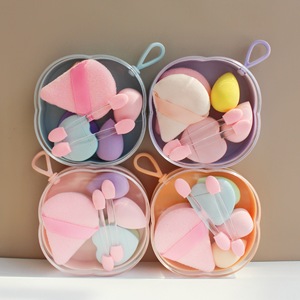
Featured Silicone Applicator Collections
Engineered with zero-absorption medical grade silicone matrices for optimal liquid foundation payout and hyper-hygienic application.
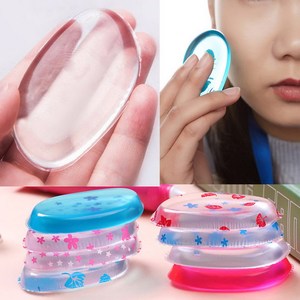
Silicone Makeup Sponge
Easy to Clean Silicone air Cushion Powder Puff Transparent Cosmetic Blender Silicon Makeup Sponge for Foundation Applicator
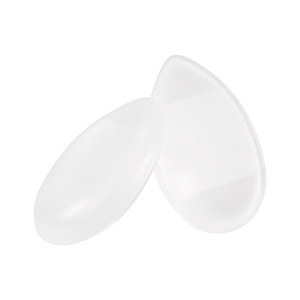
White Pure Silicone Trendy Waterdrop Makeup SpongeNon-Latex Material Seamless Makeup Finish Sponge in Multiple Colors and Shapes
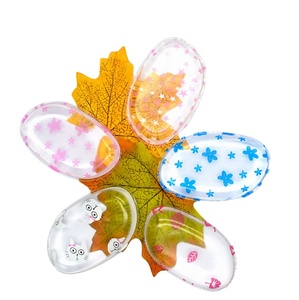
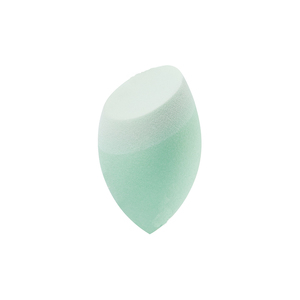
Wholesale Silicone Makeup Sponge for Face Cleaning Beautiful Cosmetic Tool
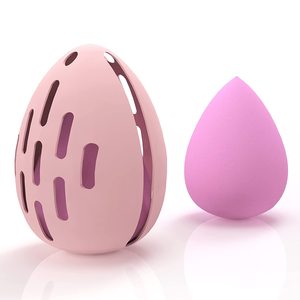
Makeup Blender Sponge Portable Face Cosmetics Puff BEAUTY Egg Drying Cleansing Silicone Case
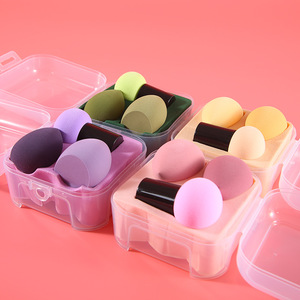
Cosmetic Manufacturer Washable Reusable Makeup Silicone Sponge Non Absorb Foundation Beauty Sponge Blender for Face Makeup
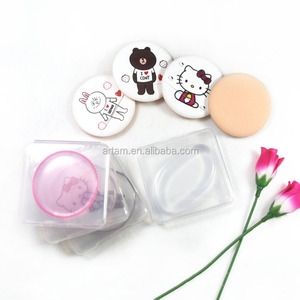
High Quality Custom Wholesale Cosmetic Sponge Face Cleaning Hello Kitty Puff Silicone Makeup Sponge with Box
50%
Formula Savings for End-Users
100%
Zero-Porous Non-Absorbent Surface
ISO 22716
GMP Cleanroom Certified Manufacturing
30+ Yrs
Combined OEM Tooling Innovation
Executive Sourcing Report: The Strategic Paradigm Shift in Cosmetic Applicators
An Industry Benchmark Analysis for Global Beauty Brands, Procurement Directors, and Product Formulators
The global cosmetic applicator industry is undergoing an unprecedented structural transition driven by shifting consumer hygiene priorities, sustainability mandates, and skin barrier awareness. For decades, traditional open-cell hydrophilic polyurethane (PU) and non-latex NBR (Nitrile Butadiene Rubber) blenders dominated foundation application. However, these traditional foam porous structures exhibit inherent technical inefficiencies: high liquid retention, formula entrapment (wasting up to 50% of prestige liquid foundation per application), rapid bacterial colonization, and structural degradation after minimal wash cycles.
“Sourcing directors are recalibrating supply chains toward non-porous thermoplastic elastomeric matrices. Silicone applicators solve the formula preservation bottleneck while offering verifiable compliance under EU REACH and US FDA cosmetic safety standards.”
Modern cosmetic formulations—ranging from high-viscosity silicone-in-water foundations to volatile skincare-infused serums—demand application tools designed around surface tension physics. Medical-grade silicone blenders encapsulated in micro-thin Thermoplastic Polyurethane (TPU) membranes allow zero liquid absorption. This ensures 100% cosmetic transfer efficiency onto the stratum corneum, dramatically altering the cost-per-use proposition for end consumers while maintaining absolute hygienic integrity.
Top 10 Silicone Makeup Sponge Factories & Exporters Benchmark Matrix
Rigorous comparative evaluation based on OEM capability, durometer control precision, material purity, and compliance standards.
| Factory / Exporter | Primary R&D Specialization | Material Compliance | Durometer Precision (Shore A) | Cleanroom Standard | Global B2B Market Tier |
|---|---|---|---|---|---|
| Anisa International Ecosystem | Formula-First Encapsulation & Micro-Puff Tech | FDA, REACH, Vegan, ISO 22716 | Shore A 5 ± 0.5 (Ultra-Soft) | Class 100,000 Cleanroom | Prestige Tier 1 |
| Taiki Group (Asia Div.) | Antimicrobial Hydrophobic Surfaces | US FDA 21 CFR 177.2600 | Shore A 8 ± 1.0 | ISO Class 8 | Prestige Tier 1 |
| Shenzhen Beauty Tool Tech | High-Volume TPU Film Encapsulation | REACH, RoHS Standard | Shore A 12 ± 1.5 | Standard Industrial | Mass Market OEM |
| Dongguan Precision Silicone | Custom Geometric Mold Injection | FDA Compliant Silicone | Shore A 10 ± 1.0 | ISO Class 9 | Mass Market OEM |
| Ningbo Apex Beauty Supply | Combination Powder-Silicone Puffs | REACH, LFGB Standard | Shore A 15 ± 2.0 | Standard Industrial | Private Label ODM |
| Zhejiang Cosmetic Applicator Co. | Waterdrop & Thumb Ergonomic Moulding | FDA, CE Certified | Shore A 10 ± 1.0 | Standard Industrial | Private Label ODM |
| Guangzhou Innovation Tools | Hollow Air-Cushion Silicone Core | ISO 9001, REACH | Shore A 7 ± 1.0 | ISO Class 8 | Mid-High Tier |
| Jiangsu Silicone Tech Exporter | Clear Jelly Transparent Applicators | FDA 21 CFR Compliant | Shore A 12 ± 1.0 | Standard Industrial | Export Supplier |
| Suzhou Precision Elastomers | Medical-Grade Solid Silicone Applicators | USP Class VI, REACH | Shore A 5 ± 0.5 | Class 10,000 Medical | Prestige / Medical |
| Fujian Beauty Packaging Co. | Sponge & Case Travel Set Bundling | REACH, Prop 65 | Shore A 14 ± 1.5 | Standard Industrial | Export Supplier |
Engineering Benchmarks: Material Science & Tooling Precision
Understanding the critical technical specifications required when procuring silicone cosmetic blenders.
Encapsulation Membrane Science
The performance of a silicone sponge relies heavily on the interface between the solid liquid silicone rubber (LSR) core and the outer protective skin. Premium manufacturers utilize high-clarity Thermoplastic Polyurethane (TPU) films ranging from 0.05mm to 0.08mm in thickness. This membrane must exhibit exceptional tensile elongation (>500%) without pinhole micro-fractures, preventing formula leakage while delivering tactile softness mimicking natural skin tissue elasticity.
Durometer & Elastic Modulus
Shore A hardness dictates the ergonomic payoff and blending ability. Mass-market suppliers often export high-hardness silicone (Shore A >18), which feels rigid against facial contours. Leading B2B suppliers engineer ultra-soft durometer ranges (Shore A 5 to 10) through precise cross-linking density control during platinum-cured vulcanization. This enables seamless feathering around delicate areas such as the infraorbital sub-region.
Seam Welding & Edge Calibration
Traditional heat-sealing methods leave sharp, abrasive peripheral ridges on silicone sponges. High-end exporters utilize automated ultrasonic micro-welding paired with multi-axis CNC perimeter trimming. This guarantees a smooth, continuous 360-degree blending edge that prevents skin micro-abrasions and ensures structural stability across thousands of cleaning cycles.
Formulation-Driven Applicator Development
Global beauty procurement teams require more than basic contract assembly—they need formula-applicator synergy. Our manufacturing methodology aligns tool design with liquid formula rheology.
✓
Integrated R&D Ecosystem (Atlanta, NY, LA Hubs)
Industrial design, fiber synthesis, and silicone mould engineering operate under unified project management, accelerating time-to-market by up to 40%.
✓
Formula-First Compatibility Testing
Every silicone density and film variant undergoes rigorous migration testing against emulsions, anhydrous foundations, and active-rich serums to eliminate swelling or chemical degradation.
✓
Audit-Ready Global Supply Chain Compliance
Fully compliant with ISO 22716 GMP standards, cruelty-free certification protocols, and eco-conscious raw material traceability.
Sourcing Checklist for Beauty Buyers
- Zero chemical volatile off-gassing (VOC tested).
- Biocompatibility certified under ISO 10993.
- Customized thermoforming shapes & color-matching (Pantone C).
- Hygienic storage capsule integration options.
- Custom branding via sub-surface film printing.
Future Sourcing & Industry Procurement Trends (2025–2030)
Key technological vectors shaping the next generation of cosmetic tools and export logistics.
TREND 01
Micro-Textured Hybrids
The industry is moving toward micro-flocked and laser-etched silicone surfaces. By applying ultra-fine synthetic velvet flocking to specific zones of a silicone sponge, brands achieve the zero-absorption benefits of silicone combined with the soft, airbrushed diffusing power of traditional velvet puffs.
TREND 02
Bio-Based Silicone & Recycled TPU
Environmental compliance is driving raw material shifts. Tier-1 exporters are investing in bio-based silicone polymers derived from bio-silica (sand/quartz processing powered by renewable energy) paired with 100% post-industrial recycled TPU films, meeting strict EU circular economy directives.
TREND 03
Antimicrobial Active Infusion
Post-pandemic beauty consumers demand active hygienic self-sterilization. Leading OEM factories are embedding silver-ion (Ag+) or zinc-pyrithione antimicrobial compounds directly into the silicone gel matrix during liquid injection moulding, inhibiting 99.9% of bacterial growth (E. coli, S. aureus) over the product lifespan.
B2B Sourcing FAQ: Procurement & Custom Manufacturing
Essential technical and supply chain answers for cosmetic brand purchasing leads.
What is the baseline MOQ for custom-moulded silicone makeup sponges?
For standard clear geometric shapes (waterdrop, leaf, triangle) using existing factory tooling, baseline Minimum Order Quantities (MOQs) typically range from 3,000 to 5,000 units. For fully customized shapes requiring proprietary aluminum injection moulds, custom Pantone color matching, and sub-film branded printing, the standard production MOQ is 10,000 units per SKU, with initial mould tooling lead times of 15 to 21 days.
How do silicone sponges perform compared to latex-free polyurethane (PU) sponges?
Hydrophilic PU sponges absorb 30% to 50% of liquid foundation, requiring wet expansion prior to use and frequent replacement due to mold and bacterial buildup. Silicone sponges feature a 100% non-porous surface that absorbs zero liquid product, ensuring complete formula transfer and effortless sanitization with soap and water or 70% isopropyl alcohol. They are fully reusable for 12+ months without structural breakdown.
Are your silicone applicators compliant with EU REACH and US FDA cosmetic regulations?
Yes. Premium OEM silicone applicators manufactured under top-tier export standards utilize 100% medical-grade or food-grade Liquid Silicone Rubber (LSR) and non-toxic TPU films. They are rigorously tested for Heavy Metals, Phthalates, SVHC (Substances of Very High Concern), BPA, and VOC off-gassing, fully complying with US FDA 21 CFR 177.2600, EU REACH Regulation (EC) No 1907/2006, and California Proposition 65.
Can liquid foundations or cream formulations react negatively with silicone sponges?
Silicone is an chemically inert material with high thermal stability and inertness against volatile oils, siloxanes, water-in-oil emulsions, and alcohol-based formulations. However, high-grade TPU encapsulation is crucial because un-encapsulated low-quality silicone gels can experience slight swelling when exposed to specific organic solvents over extended periods. Working with a certified manufacturer ensures proper film-barrier compatibility testing.
What custom logo printing methods are available for wholesale silicone sponges?
There are two primary logo application techniques: 1) Sub-Surface Encapsulated Printing: The logo is printed onto the internal side of the outer TPU membrane before silicone filling, making the logo completely scratch-proof, wash-proof, and chemical-resistant. 2) Surface Silk Screen Printing: Utilizing flexible silicone-based inks cured via heat tunnel, ideal for solid-colored opaque silicone blenders.
What packaging options are available for retail-ready distribution?
Exporters offer comprehensive secondary packaging solutions including eco-friendly PET/PBT transparent clamshell cases, breathable ventilated silicone travel capsules, custom printed FSC-certified paper boxes, and hygienic sealed foil pouches with hang-tabs for retail pegboard displays.
How do global brands initiate an OEM project?
Projects begin with an initial technical brief detailing target formula viscosity, aesthetic requirements, estimated annual volume, and target cost-of-goods (COGS). The manufacturer then provides 3D CAD renders, rapid 3D-printed prototype mockups, sample swatches for hand-feel approval, and detailed mass production timelines.