
The global cosmetic tools industry is undergoing a monumental paradigm shift. Driven by stringent environmental regulations such as the EU Single-Use Plastics Directive, ESG corporate mandates, and evolving conscious consumer expectations, international beauty brands can no longer rely on traditional petro-chemical plastic applicators. Achieving true sustainability requires looking beyond packaging to the application tools themselves—ranging from zero-waste facial sponges to bio-synthetic brush filaments and responsibly harvested wooden handles.
This comprehensive procurement guide and technical white paper provides sourcing directors, product developers, and supply chain executives with an in-depth analysis of the Top 10 Biodegradable Beauty Tools Factories & Exporters. We examine technical capabilities, material science advancements, quality assurance standards, and future procurement vectors imperative for brands building competitive advantages in eco-responsible beauty application.
Featured Eco-Friendly & Professional Beauty Tools Showcase
Explore high-performance OEM/ODM applicators engineered for formula compatibility, ergonomic control, and reduced environmental impact.
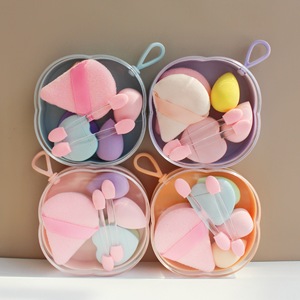
Non-Absorbent Triangle Mini Cosmetic Sponge Kit Storage Box Washable Skin-Friendly Thumb Powder Puff Concealer Eye Shadow Makeup
Contact Us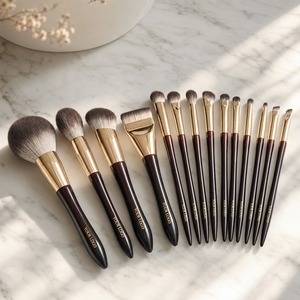
Wholesale Cosmetic Brushes Private Label Wooden Vegan Travel Luxury High Quality Custom Professional 14Pcs Makeup Brush Set
Contact Us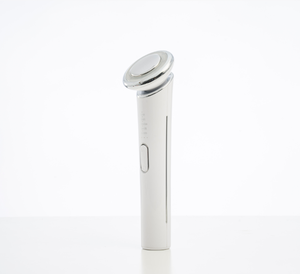
Portable Beauty Health Skin Care Thin Face Beauty Firming Slimming Tool Anti Wrinkles and Ageing Device
Contact Us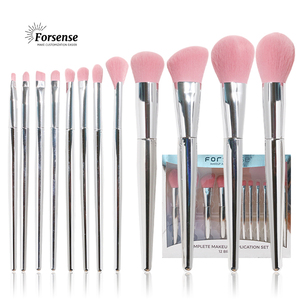
Custom Professional Silver Single Synthetic Foundation Angled Contour Makeup Brush Set Beauty Tool Highlight Fan Brush Eyeshadow
Contact Us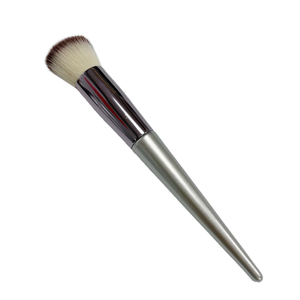
Synthetic Fiber Angled Wood Handle Makeup Brush Silver Metallic Long Handle Soft Dense Bristles Blush Contour Cheek Eyes Lips
Contact Us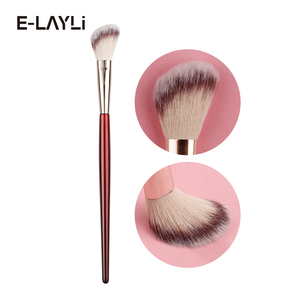
Premium Makeup Brushes Wholesale High Quality Single Angled Cosmetic Blush Contour Brush Private Label Wholesale Bulk
Contact Us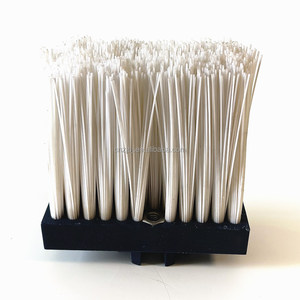
Industrial OEM White Nylon Bristles Labeler Brush with 4 Rows Density for Krones Labeling Machine
Contact Us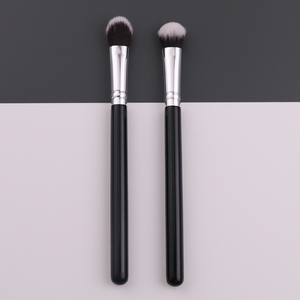
Customized Private Label Angled Face Contour Brush Synthetic Hair Wood Handle Custom Logo Professional Brush for Concealer Lip
Contact UsIndustry Benchmark Analysis: Top 10 Biodegradable Beauty Tools Manufacturers & Exporters
When selecting a manufacturing partner for eco-friendly cosmetic applicators, global sourcing teams must evaluate technical criteria across material lifecycle performance, fiber synthesis capabilities, and factory compliance. Below is our industry analysis detailing the leading manufacturing hubs and enterprise benchmark standards dominating the biodegradable beauty tool export landscape.
1. Anisa International (Benchmark Leader)
Founded in 1992, Anisa International represents the gold standard in cosmetic brush design and bio-based synthetic fiber innovation. With patented manufacturing technologies, formula-first engineering, and global design hubs in Atlanta, NY, and LA, they lead the transition to cruelty-free, fully recyclable, and biodegradable beauty tools.
2. GreenBrush Tech (China Manufacturing Hub)
Specializing in FSC-certified bamboo handles and plant-derived Poly-Lactic Acid (PLA) ferrules. Recognized for high-volume automated production and zero-VOC handle lacquer applications.
3. EcoFilament Korea Co.
Pioneers in soft micro-tapered PBT filaments blended with post-consumer recycled (PCR) bio-plastics. Excellent pick-up and release metrics for clean beauty liquid formulations.
4. BioSponge Solutions (Europe Hub)
Leaders in 100% natural Konjac root and plant-cellulose hydro-sponges. Features fully compostable home-grade degradation profiles within 60 days under soil conditions.
5. Precision Wood Craft Co.
Specialized in rapid-growth sustainable birch and beechwood lathe turning. Implements closed-loop water treatment for all handle dyeing processes.
6. Zenith Synthetic Fibers Inc.
Focuses on advanced bio-polyester crimping technology. Engineered specifically to replicate real animal hair texture without ethical compromises or environmental toxicity.
Future Procurement Trends in Eco-Friendly Beauty Applicators
As global beauty brands plan their 3-to-5-year product roadmaps, procurement strategies are shifting from simple material substitution to holistic lifecycle design.
1. Microbe-Degradable Bio-Filaments
Next-generation synthetic bristles utilize Polyhydroxyalkanoates (PHA) synthesized via bacterial fermentation. Unlike early PLA materials requiring industrial composting, PHA filaments naturally break down in marine and soil environments without leaving microplastic residues.
2. Glueless Thermo-Bonding Assembly
Traditional makeup brush assembly relies heavily on epoxy adhesives that hinder recycling processes. Modern OEM factories are adopting ultrasonic thermo-fusion, bonding bio-synthetic fibers directly into recycled aluminum or bio-resin ferrules without chemical solvents.
3. Carbon Passporting & Digital Traceability
Tier-1 beauty exporters are implementing blockchain-enabled carbon passporting. Every batch of wooden handles, recycled ferrules, and synthetic bristles carries verified proof of origin, FSC chain of custody, and ISO 14067 carbon footprint documentation.
Enterprise OEM/ODM Capabilities & Manufacturing Excellence
Building high-performance cosmetic tools requires a seamless integration of industrial design, formula chemistry, and rigorous production quality control.
Formula-First Engineering
Brush heads and applicator surfaces are precisely tuned to formula characteristics—viscosity, pigment load, volatility, and skin setting time. By matching fiber diameter, tip crimping, and bundle density, the tool maximizes formula pay-off while reducing wastage.
Cruelty-Free Fiber R&D
Decades of continuous research into synthetic filament extrusion enable us to engineer wave profiles, micro-textures, and tapered tips that outperform traditional animal hair in hygienic longevity, washability, and tactile softness.
6-Step Integrated Development
Our collaborative OEM/ODM process takes brands seamlessly from initial brief to retail delivery:
1. Strategic Brief → 2. Industrial Design → 3. Prototype Sampling → 4. Formula Testing → 5. Precision Production → 6. Global Logistics
Frequently Asked Sourcing Questions (Procurement FAQ)
Essential answers for sourcing managers, product managers, and brand founders evaluating OEM/ODM biodegradable beauty tool partners.
What makes a cosmetic tool officially "biodegradable" under international standards?
To be categorized as biodegradable, the tool's components (such as plant-based handles, natural sponges, or bio-synthetic fibers) must decompose into organic matter, water, and CO₂ under micro-organism action. International testing standards like EN 13432 or ASTM D6400 require at least 90% organic material degradation within 180 days in industrial composting conditions, leaving no toxic heavy metals or synthetic chemical residues.
How do biodegradable synthetic fibers compare to traditional animal hair or nylon?
Modern bio-synthetic fibers (such as modified PBT and PHA blends) provide equivalent or superior tensile elasticity, tip softness, and formula pickup compared to natural hair. Furthermore, synthetic fibers are 100% cruelty-free, non-allergenic, significantly easier to clean, and resistant to bacterial buildup caused by cream and liquid makeup formulations.
What is the typical Minimum Order Quantity (MOQ) for custom private-label eco-brushes?
Standard OEM private label MOQs typically range from 3,000 to 5,000 units per brush model for custom handle paint colors and laser-engraved logos. For custom fiber extrusion or unique handle tooling molds, MOQs may start at 10,000 units depending on material specifications.
Will biodegradable handles or sponges decompose during warehouse storage or retail shelf life?
No. Biodegradable materials like PLA, FSC-certified wood, or natural konjac require specific environmental catalysts—such as sustained moisture, soil micro-organisms, elevated ambient heat, and oxygen—to initiate degradation. Under normal ambient retail or warehouse storage conditions, products remain stable with a shelf life exceeding 3 to 5 years.
How can brands verify the authentic environmental claims of factory suppliers?
Brands should request verified third-party documentation including FSC (Forest Stewardship Council) Chain of Custody certification for wood, GRS (Global Recycled Standard) for recycled aluminum ferrules, REACH and RoHS compliance reports, and ISO 9001/14001 quality and environmental management system audits.
Partner With a World-Class Beauty Tool OEM Manufacturer
Whether you are developing a new eco-friendly product line, replacing legacy plastics, or scaling up global supply chain distribution, our engineering team is ready to bring your brand vision to life with precision and purpose.
Contact Us