
Featured Eye & Facial Applicators Catalog
Explore our top-tier private label and custom engineered beauty applicators designed for maximum formula absorption and ergonomic cooling luxury.
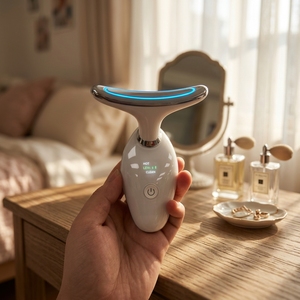
Privated Label Neck Winkles Removal Massager for Skin Tightening Rejuvenation EMS Face Chin Sculpting Tool
Inquire Now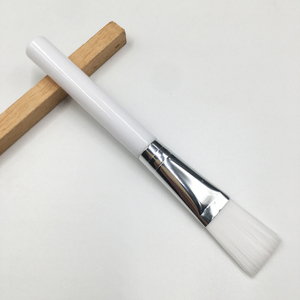
Private Label OEM White Flat Facial Mask Brush Vegan Taklon Face Mask Applicator Brushes Skincare Cosmetic Makeup Tool
Inquire Now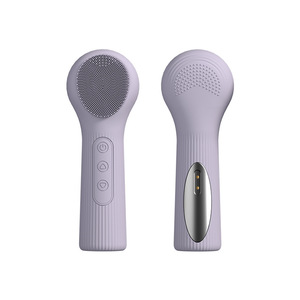
2025 Temperature-Sensing Silicone Facial Cleansing Device Heating Face Wash Brush Pore-Cleansing Multi-Function Waterproof
Inquire Now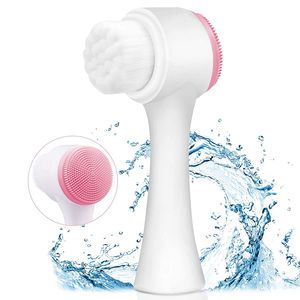
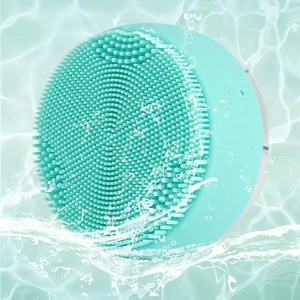
Manual Facial Cleansing Brush, 2-in-1 Skin Care face Brush, Silicone Facial Scrubber Manual Dual Face Wash Brush
Inquire Now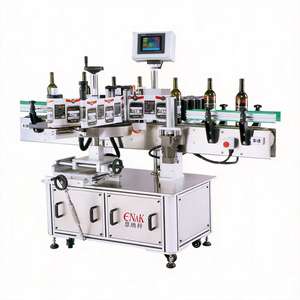
Factory Direct Automatic Self-Adhesive Label Applicator High Efficiency Touchscreen Labeler
Inquire Now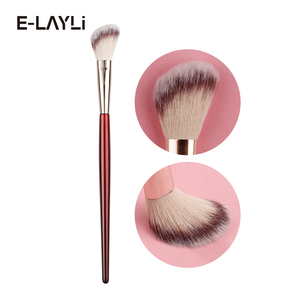
Premium Makeup Brushes Wholesale High Quality Single Angled Cosmetic Blush Contour Brush Private Label Wholesale Bulk
Inquire Now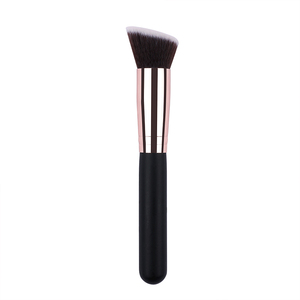
Industry White Paper: The Science, Ergonomics, & Engineering of Eye Cream Applicators
In the rapidly evolving global skincare landscape, the periorbital area (the delicate skin surrounding the human eye) represents the most demanding testing ground for cosmetic formulations. Measuring a mere 0.5mm in thickness—roughly one-fifth the thickness of facial skin elsewhere—the eye contour is exceptionally prone to transepidermal water loss (TEWL), premature collagen degradation, capillary micro-leakage leading to dark circles, and mechanical stress from manual application. Historically, consumers relied on fingertip application for eye creams and serums; however, modern dermatological research demonstrates that fingertip application introduces micro-friction, uneven dosage distribution, potential bacterial cross-contamination, and inefficient active ingredient absorption.
As China’s premier eye cream applicator manufacturer and global OEM/ODM technology leader, our engineering team operates at the intersection of material science, biophysical thermal dissipation, and formula-applicator synergy. This comprehensive white paper explores the critical engineering parameters, material selections, future procurement shifts, and manufacturing processes defining high-performance eye cream applicators in today’s luxury beauty market.
Core Technical Insight: The efficacy of an eye care formulation is directly dependent upon its delivery mechanism. A scientifically engineered applicator can increase localized skin micro-circulation by up to 34% during application while reducing surface skin temperature by 2.8°C to 4.5°C, instantly constricting capillary blood vessels to mitigate puffiness.
1. Metallurgical & Material Selection for Periorbital Tools
The selection of raw materials for eye cream applicators determines not only the tactile consumer experience but also formula compatibility, thermal retention, and long-term anti-corrosion stability. In our China manufacturing plant, we process four primary material classifications:
A. Zinc Alloy (Zamak 3 & Zamak 5) Die-Casting
Zinc alloys are the industry gold standard for luxury cooling eye wands, massage spatulas, and rollerballs. Through high-pressure die-casting, Zamak alloys can be molded into intricate ergonomic shapes with internal fluid cavities or weight-balanced cores.
- Thermal Capacity: High density provides substantial thermal inertia, allowing the applicator tip to feel instantly cool upon contact and absorb skin heat continuously during a 2-minute application ritual.
- Surface Finishing & Electroplating: Our advanced PVD (Physical Vapor Deposition) and vacuum nickel-free electroplating lines apply protective layers such as Real Rose Gold, 24K Yellow Gold, Shiny Chrome, Pearl Nickel, and Gunmetal Gray. All coatings comply rigorously with EU REACH SVHC and California Proposition 65 heavy-metal safety standards.
B. Medical-Grade Stainless Steel (SUS304 & SUS316L)
For clinical, hyper-allergenic, or dermatological skincare lines, 316L surgical stainless steel offers unparalleled bio-inertness. Stainless steel rollerballs machined via Swiss CNC lathes provide zero reactivity with highly acidic serum formulas (e.g., pure Vitamin C or Retinol solutions), eliminating oxidation and metal ion leaching.
C. Precision-Engineered Ceramics & Jade/Quartz Composites
Custom-molded ceramic tips (Zirconia Ceramics) offer a silky-smooth, velvet tactile sensation with superior chemical resistance. Ceramic applicators maintain a neutral skin touch and can be engineered with specific porosity or satin glazes to control formula retention.
D. Food-Grade & Medical-Grade Liquid Silicone Rubber (LSR)
Flexible silicone tips provide gentle micro-sculpting pressure ideal for sensitive skin barriers. Utilizing two-shot injection molding (2K molding), we fuse soft silicone tips onto rigid alloy or PCR-plastic shafts in a seamless, hygienic, glue-free construction.
Cryo-Thermal Dissipation
Engineered thermal conductivity pulls heat away from inflamed tissue, reducing puffiness via vasodilation-constriction cycles.
Biocompatible PVD Coatings
100% nickel-free vacuum plating prevents skin sensitization, rust, and degradation caused by complex active emulsion formulas.
Precision CNC Machining
Micron-level rotational tolerances ensure smooth, non-dragging rollerball movement without formula leakage or binding.
2. Ergonomic Engineering & Kinetic Motion Design
An eye cream applicator is not merely a piece of metal or plastic; it is a extended mechanical instrument for human hands. Our industrial design team utilizes 3D biometric sculpting to engineer applicators that fit natural hand grips while limiting the downward force applied to the orbital bone to under 0.5 Newtons of pressure.
Key kinetic modalities developed in our R&D center include:
- 360-Degree Free-Floating Metal Rollerballs: Incorporating precision internal housing retaining rings that allow smooth omnidirectional gliding while precisely controlling serum flow rate via capillary action.
- Thermal Cryo-Spatulas with Ergonomic Thumb-Rests: Dual-function tools featuring a spoon end for hygienic cream dosing and a weighted cooling globe end for micro-drainage sculpting along the lymphatic pathway.
- High-Frequency Sonic Micro-Vibration Heads: Integrating sub-miniature vibration motors operating at 8,000 to 12,000 VPM (vibrations per minute). Powered by replaceable button cells or micro-lithium rechargeable batteries, these tools stimulate cellular ATP synthesis and enhance intercellular formula transport.
3. The Formula-Applicator Synergy Matrix
To ensure optimal consumer satisfaction, brand sourcing managers must match applicator geometry with formula viscosity. The table below outlines our OEM formula-compatibility matching guidelines:
| Formula Texture / Type | Viscosity Range (cPs) | Recommended Applicator Tip | Primary Functional Benefit |
|---|---|---|---|
| Low-Viscosity Eye Serums | 1,000 – 5,000 | Stainless Steel 360° Micro-Rollerball | Micro-dosing without drip, rapid cooling, localized de-puffing. |
| Emulsion Eye Gels | 5,000 – 20,000 | Zamak Alloy Curved Tear-Drop Tip | Even film distribution, gentle lymphatic massage, zero friction. |
| Rich Balm & Heavy Creams | 20,000 – 80,000+ | Flat Zinc Alloy Spatula / Ceramic Scoop | Hygienic jar extraction, targeted deep-tissue press-and-roll massage. |
| Active Peptide / EMS Formulations | 10,000 – 35,000 | Conductive EMS / Micro-Current Electrodes | Peristaltic muscle contraction, collagen stimulation, deep penetration. |
4. Future Procurement Trends in Eye Care Hardware (2025–2030)
As global beauty conglomerates (L'Oréal, Estée Lauder, Shiseido, Beiersdorf) and agile indie brands vie for market dominance, procurement strategies are shifting dramatically toward four key macro-trends:
A. Sustainable & Monomaterial Recyclability
Environmental packaging mandates are forcing brands to move away from multi-material non-recyclable assemblies. We lead the market in designing 100% PCR (Post-Consumer Recycled) plastic handles equipped with detachable metal or ceramic heads that consumers can unsnap for separate recycling streams. Furthermore, our zero-glue mechanical snap-fit designs reduce assembly carbon footprints by 28%.
B. Smart Temperature-Sensing & Color-Changing Tech
Next-generation consumer tools integrate thermochromic materials or micro-sensors. As the applicator touches the skin and warms up during massage, the tip shifts subtle color hues, providing visual feedback to the user that active micro-circulation has been engaged.
C. Refillable Cartridge & Integrated Tube-Applicator Systems
Procurement teams are increasingly demanding direct-on-tube applicators (zinc alloy heads crimped directly onto flexible PE, ABL, or PBL squeeze tubes). This integrated packaging format simplifies the supply chain, lowers total landed COGS, and provides the consumer with a one-handed, intuitive dispense-and-massage experience.
D. Anti-Microbial & Hygienic Surface Coatings
In a post-pandemic consumer environment, hygienic integrity is non-negotiable. Our factory utilizes silver-ion (Ag+) antibacterial topcoats and nano-ceramic hydrophobic surfaces that repel organic residue, preventing bacterial proliferation between uses.
5. Enterprise Manufacturing Advantages: Why Partner With Us?
Rooted in over three decades of OEM/ODM manufacturing heritage, our state-of-the-art production base in China offers global beauty brands an end-to-end, audit-ready manufacturing partnership built on E-E-A-T (Experience, Expertise, Authoritativeness, and Trustworthiness).
3D CAD & Brief
Formula matching, ergonomic sculpting & DFM analysis.
Rapid Mockup
High-resolution SLA/SLS 3D printing within 48 hours.
Precision Tooling
Hardened steel die-cast mold creation with 100k+ shots.
Automated Plating
Eco-friendly PVD vacuum coating & polishing.
100% QC Inspection
Torque, leakage, plating adhesion & salt-spray testing.
Global Delivery
ISO9001/ISO13485 compliant packed shipping.
Comprehensive Quality Assurance Protocols: Our cleanrooms house advanced automated testing machinery conducting rigorous QA benchmarks on every production batch:
- Salt Spray Corrosion Testing: ASTM B117 standards up to 96 hours to ensure zero plating peel or tarnish under high-humidity bath conditions.
- Drop & Mechanical Impact Tests: 1.5-meter free-fall impact testing onto concrete surfaces to verify structural integrity.
- Adhesion Tape Testing: Cross-hatch 3M tape adhesion verification (ISO 2409) for electroplated and painted coatings.
- Biocompatibility & Heavy Metal Leaching: Full compliance with EN 71-3, REACH Annex XVII, and FDA cosmetic contact safety standards.
Frequently Asked Purchasing Questions (FAQ)
Clear, authoritative answers for B2B beauty buyers, packaging engineers, and supply chain managers.
What is the Minimum Order Quantity (MOQ) for custom eye cream applicators? ▼
Our standard Minimum Order Quantity (MOQ) for custom-electroplated zinc alloy or stainless steel eye cream applicators starts at 5,000 units for standard existing mold shapes with custom logo engraving. For completely custom 3D industrial designs requiring new die-cast tooling, our standard production MOQ is typically 10,000 to 20,000 units, depending on material specifications and packaging integration.
What are the lead times for prototyping and mass manufacturing? ▼
We provide rapid 3D printing SLA/SLS functional mockups within 3 to 5 business days. Once CAD designs are finalized, steel mold tooling production takes approximately 25 to 30 days. Pre-production golden samples are delivered within 7 days post-tooling. Mass production manufacturing timelines typically range between 30 to 40 days following sample approval and deposit receipt.
How do you guarantee nickel-free and non-toxic plating for sensitive skin? ▼
All our electroplating and PVD vacuum coating operations utilize strict nickel-free barrier layers (such as copper-tin-zinc undercoats). Every batch undergoes X-ray fluorescence (XRF) spectroscopy to measure plating thickness and chemical composition. We provide third-party lab testing reports from SGS, Intertek, or TÜV Rheinland certifying compliance with EU REACH, SVHC, and US FDA heavy metal restrictions.
Can applicators be custom-fitted directly onto squeeze tubes or jar lids? ▼
Yes! We specialize in integrated packaging solutions. We manufacture direct-on-tube zinc alloy heads engineered to snap or thread securely onto standard tube necks (16mm, 19mm, and 22mm diameters). Furthermore, we manufacture magnetic applicator wands that snap seamlessly into custom recessed slots on luxury cream jar caps, presenting an elegant, loss-proof consumer solution.
What custom branding options are available on metal and silicone surfaces? ▼
We offer diverse high-precision branding techniques, including high-contrast fiber laser engraving (ideal for metallic handles), debossed/embossed die-mold logos, silk-screen printing, pad printing, micro-stamping, and custom color-matched PVD finishes matched to Pantone color codes.
How does your factory ensure bulk production quality consistency? ▼
Our manufacturing facility operates under strict ISO 9001:2015 and ISO 13485 quality management systems. We execute a 4-tier inspection process: Incoming Quality Control (IQC) on raw alloy ingots, In-Process Quality Control (IPQC) during automated casting and polishing, 100% cosmetic visual inspection post-plating, and Acceptable Quality Limit (AQL 0.65/1.5) Final Quality Control (FQC) prior to cleanroom packing.
Partner with China's Premier Eye Applicator OEM Factory
Transform your eye care formulation with custom-engineered thermal cooling wands, rollerballs, and micro-vibration beauty tools. Speak directly with our technical engineering team today.
Inquire Now