
Flagship OEM & Private Label Brush Portfolio
Engineered for seamless liquid, cream, and powder application. Micro-engineered synthetic fibers calibrated for superior formula pickup and dermatological safety.
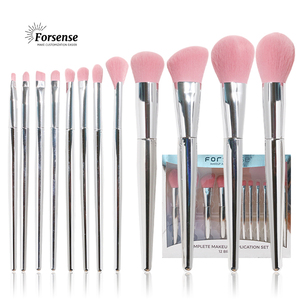
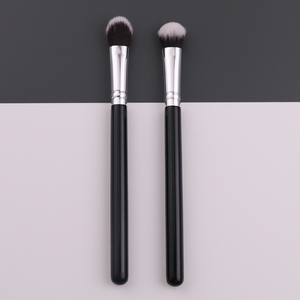
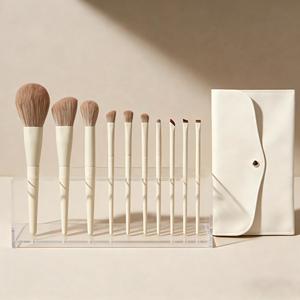
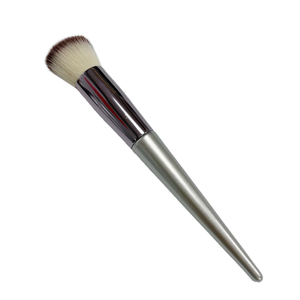
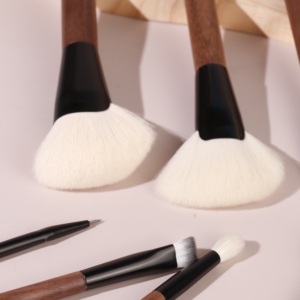
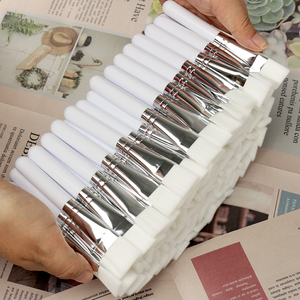
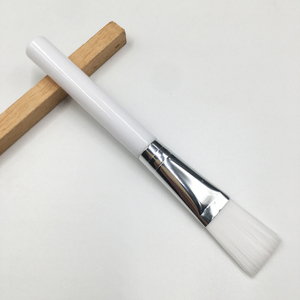
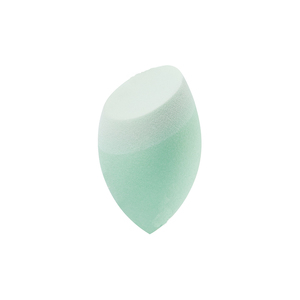
The Technical Blueprint for CE Certified Facial Brush OEM Sourcing
In the rapidly evolving global beauty and skincare landscape, the applicator is no longer a secondary accessory—it is a foundational pillar of skincare efficacy and formulation performance. As global regulatory bodies heighten scrutiny under EU Cosmetics Regulation (EC No 1223/2009) and the European Union Medical Device Regulation (MDR) frameworks, procurement executives and brand directors must align with CE Certified OEM Facial Brushes Manufacturers & Exporters capable of meeting stringent biosecurity, mechanical durability, and chemical migration standards.
Contract manufacturing of facial applicators requires a deep integration of dermatological science, polymer engineering, and automated tufting precision. When custom brushes touch sensitive micro-environments on human facial skin—especially in conjunction with active formulas containing AHAs, Retinoids, or hydro-gel serums—the physical fibers and ferrule adhesives must demonstrate total chemical inertia. Zero shedding, non-porous synthetic filament structures, and corrosion-resistant ferrules are mandatory parameters for tier-one global brands.
Dermatological Safety & Biocompatibility Standards
Traditional cosmetic brushes relying on natural animal hair (goat, pony, squirrel) carry structural vulnerabilities: porous cuticles that absorb active ingredients, trap humidity, and harbor micro-bacterial colonies even after sanitization. CE certification for facial applicators validates that synthetic filaments undergo rigorous cytotoxicity testing (ISO 10993-5) and sensitization screening. By utilizing engineered high-grade Polybutylene Terephthalate (PBT) filaments, our OEM production guarantees non-reactive contact with high-performance skincare formulas.
Technical Comparison: Engineered Synthetic Fibers vs. Legacy Natural Hair
To assist procurement managers in optimizing product durability and reducing supply chain risk, the matrix below details key performance metrics across filament engineering tiers.
| Performance Metric | Engineered Taklon / PBT Fiber | Medical-Grade Silicone | Legacy Animal Hair |
|---|---|---|---|
| Bacterial Retention | Near-Zero (< 0.01% Moisture Absorption) | Zero Non-Porous Surface | High (Porous Cuticle Structure) |
| CE / REACH Compliance | 100% Certified Heavy-Metal Free | 100% Inert Medical Silicone | Variable (Requires Chemical Treatments) |
| Tensile Fiber Strength | > 4.8 g/denier (High Fatigue Endurance) | High Tear Resistance (> 25 kN/m) | Brittle (Snaps Under Acidic Formulas) |
| Cleaning & Sanitization | Withstands Alcohol & Hot Water Wash | Autoclavable / Wipe Clean | Degrades with Alcohol Exposure |
| Formula Payoff Efficiency | 92% Controlled Release Rate | 98% Direct Surface Transfer | 55% (High Internal Retention Loss) |
2026–2030 Global Sourcing Trends in Facial Applicator Manufacturing
As brands navigate global sustainability directives and changing consumer expectations, procurement teams must forecast structural shifts in material science and custom tooling. As a leading manufacturer and exporter, our R&D division tracks three core pillars driving the next generation of facial tools:
1. PCR & Zero-Waste Components
Transitioning from virgin plastics to Post-Consumer Recycled (PCR) aluminum ferrules and FSC-certified bamboo or recycled resin handles to achieve carbon-neutral footprint standards.
2. Microbiome-Safe Surfaces
Incorporating silver-ion antimicrobial additives directly into filament extrusion to inhibit microbial proliferation on facial mask applicators for up to 500 wash cycles.
3. Sonic & Thermal Integration
Hybrid facial tools blending ultra-soft synthetic bristles with ergonomic cooling zinc-alloy massagers to enhance lymphatic drainage during mask application.
Sustainable Material Procurement & Decarbonization
Environmental compliance is no longer optional for export into European and North American markets. Modern OEM contracts mandate complete transparency across the supply chain, including ISO 14001 environmental management certification. By implementing zero-solvent assembly processes and solvent-free water-based lacquers on wooden handles, our export-ready products help global beauty conglomerates meet their 2030 ESG ESG (Environmental, Social, and Governance) benchmark commitments without sacrificing luxury tactile aesthetic or structural integrity.
Formula-First Engineering: Rheology Matching & Applicator Dynamics
A fundamental failure point in private-label brush sourcing occurs when brands select off-the-shelf stock brushes without evaluating formula rheology. The interaction between facial cleansers, kaolin clay masks, micro-encapsulated serums, and liquid foundations requires specific filament geometry:
1. High-Viscosity Clay & Mud Mask Applicators
Clay masks possess high yield stress and shear-thinning properties. Flat, dense Taklon fiber heads or non-porous silicone spades prevent formula trapping, ensuring smooth, even laydown across delicate facial contours while reducing product wastage by up to 35%.
2. Low-Viscosity Hydro-Gel Serums & Acid Peels
Fluid serums require ultra-fine filament tip taper ratios (< 0.05mm tip diameter) arranged in low-density tuft arrays. This engineering profile holds liquid through surface tension without dragging active peel chemical compounds unevenly across micro-tears in the epidermal barrier.
3. Cream Foundations & Emulsion Sculpting Brushes
Angled contour brushes require multi-level fiber crimping. By combining straight PBT fibers (structural support) with micro-waved fibers (pigment retention cavities), our OEM brush designs achieve seamless buffing without streak marks.
Global OEM/ODM Contract Manufacturing Infrastructure
With decades of specialized industrial experience, our contract manufacturing framework supports brand expansion from initial concept render through mass-market automated production. We provide comprehensive turn-key development:
3D Prototyping & Rapid Sampling
Custom 3D-printed handle prototypes and physical hand-tufted brush samples delivered within 7 to 10 business days for accelerated brand launch schedules.
Strict In-Line Quality Control
Automated pulling-force tension tests verify ferrule-to-tuft anchor strength (> 25N pull test), preventing bristle loss over extended product lifespans.
International Export Logistics
Door-to-door DDP supply chain services covering North America, Europe, Asia, and Australia, backed by localized support teams in Atlanta, NY, and LA.
Procurement FAQ: Sourcing CE Certified Facial Brushes
Direct answers to critical regulatory, production, and custom branding questions for international buyers and procurement specialists.
What specifically qualifies a facial brush manufacturer for CE Certification?
CE Certification for cosmetic applicators verifies compliance with European health, safety, and environmental protection standards. It requires thorough documentation confirming that raw materials (plastics, lacquers, ferrules, synthetic bristles) are free from harmful heavy metals (Lead, Cadmium, Mercury), phthalates, and SVHCs under REACH regulations. Furthermore, testing validates skin non-irritation and mechanical safety against bristle shedding during normal usage conditions.
What are the typical Minimum Order Quantities (MOQ) for custom OEM orders?
Standard custom private-label production begins at 1,000 to 3,000 units per brush design for stock colorways and existing handle molds. For fully customized die-cast ferrules, bespoke handle shapes, or unique fiber blend colorways, our custom production MOQs start at 5,000 units. We also offer scale-up programs for indie beauty brands moving from initial market test phases to full retail distribution.
How do you ensure zero bristle shedding over prolonged consumer use?
Our manufacturing facilities employ dual-step tuft locking technology. Synthetic fiber tufts are high-frequency hot-melt fused at the base prior to insertion into aluminum or brass ferrules. Secondary epoxy resin injection seals the root against moisture penetration. Every batch undergoes automated pull testing (> 25N) to ensure structural integrity across hundreds of washing cycles.
Can we request custom eco-friendly packaging for complete turnkey sets?
Yes. We offer fully integrated turnkey packaging solutions including FSC-certified paper boxes, biodegradable cornstarch (PLA) protective sleeves, post-consumer recycled EVA pouches, and plastic-free soy-ink printed gift sets ready for immediate retail fulfillment.
What is the lead time from design approval to international delivery?
Once CAD renders and physical golden samples are approved, standard mass production requires 30 to 35 calendar days. Transit times vary by shipping mode: Air express takes 5 to 7 business days, while ocean freight to North American or European ports typically ranges between 22 and 30 days. Expedited production lanes are available for urgent product launches.
How do synthetic Taklon and silicone brushes compare for mask application?
Taklon fiber brushes provide a luxurious, traditional spa feel and excel at spreading thin, watery serums or exfoliating peel gels smoothly. Non-porous silicone applicators are preferred for heavy clay, mud, or paraffin masks because they absorb zero product, can be wiped 100% clean instantly, and drastically reduce cross-contamination risk in professional skincare treatment settings.
Partner with a Certified Industry Leader
Accelerate your brand’s product development with high-performance, CE-certified facial tools and customized private label brushes. Contact our global engineering and OEM team today to request a comprehensive product catalog or custom sample kit.
Get Catalog