
1. Executive Summary & Market Intelligence: The CE Compliance Imperative
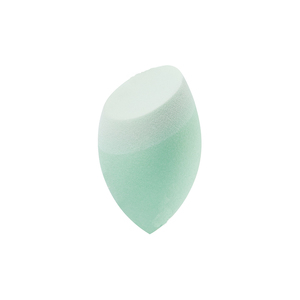
In the rapidly evolving global beauty and cosmetic tools industry, procurement directors, brand owners, and supply chain executives face unprecedented regulatory scrutiny and changing consumer behavior. As liquid foundations, serum concealers, and hybrid skincare-makeup formulations advance in complexity, the demand for precision-engineered, bio-safe applicators has surged. Central to this global market evolution is the transition from conventional rubber or low-grade polyurethane (PU) sponges toward CE Certified Hydrophilic Non-Latex Blending Sponge Sets.
CE marking (Conformité Européenne) represents far more than a simple stamp of transit—it serves as an authoritative benchmark for health, safety, non-toxicity, and environmental protection within the European Economic Area (EEA) and global Tier-1 consumer markets. A CE certified blending sponge set guarantees that the hydrophilic polymer matrix, chemical dye pigments, foaming agents, and structural binders adhere strictly to stringent European Union cosmetic device safety directives, REACH SVHC (Substances of Very High Concern) limits, and EN 71-3 heavy metal migration thresholds.
2. Technical Architecture & Material Polymer Science
The performance of a makeup blending sponge is directly governed by its cell morphology, hydrophilic polymer chemistry, and physical density. Traditional cosmetic sponges relied heavily on natural latex or closed-cell rubber, which suffered from three critical flaws: high allergenicity risks due to latex proteins, stiff liquid blending performance, and rapid crumb degradation when exposed to sebum or oil-based foundations.
Our factory utilizes advanced Hydrophilic Polyurethane (Hydro-PU) open-cell technology. When submerged in water, hydrogen bonding occurs within the polymer chain, causing the sponge cell walls to expand uniformly by 50% to 70% in volume. This water-activation phenomenon creates a semi-permeable barrier that prevents cosmetic liquid formulas from sinking into the core of the sponge, reducing expensive product absorption by up to 60%.
| Performance Metrics | CE Certified Hydro-PU Sponge | Standard Non-CE PU Sponge | Traditional Latex Sponge |
|---|---|---|---|
| Allergenic Risk | 100% Latex-Free & Hypoallergenic | Variable / Potential Irritants | High Risk (Natural Latex Proteins) |
| Wet Expansion Ratio | 1.5x - 1.75x Volume Expansion | Minimal (< 1.1x Expansion) | Zero Expansion (Closed-Cell) |
| Formula Wastage | Ultra-Low (< 12% Internal Absorption) | High (> 35% Formula Loss) | Moderate to High |
| REACH / CE Compliance | Certified SVHC & Heavy Metal Free | Unverified Chemical Trace | Contains Vulcanization Accelerators |
| Tensile & Tear Strength | High Resilience (> 500 Washing Cycles) | Low (Crumbles easily) | Degrades rapidly under oils |
Furthermore, our manufacturing line integrates micro-porous pore control systems. By precisely regulating the air injection velocity during polymer synthesis, we produce blending sponges with pore diameters optimized between 80 to 150 microns. This precise pore distribution provides an ultra-soft tactile feel against sensitive skin while achieving maximum coverage elasticity for liquid, cream, and powder makeup applications.
3. Enterprise Capabilities & OEM/ODM Factory Infrastructure
Building upon over three decades of beauty tool heritage (inspired by pioneer manufacturer standards established since 1992), our enterprise operates integrated global design, engineering, and manufacturing infrastructure. Headquartered with research and innovation hubs in Atlanta, New York, and Los Angeles, our state-of-the-art automated manufacturing facilities supply major beauty conglomerates across Europe, North America, and Australia.
Formula-First Engineering
We do not treat sponges as generic commodities. Our R&D team analyzes your specific cosmetic liquid viscosity, binder system, and pigment load to engineer custom sponge densities that maximize formula payoff.
Custom 3D Shape Molding
From classic teardrop and bevel-cut geometry to multi-wedge contoured precision cuts, our CNC tooling center builds bespoke aluminum molds for exclusive private label sponge shapes.
ISO 22716 Cleanroom Production
All foaming, cutting, washing, and packaging stages occur inside dust-free ISO 22716 (Cosmetic GMP) certified cleanrooms, preventing environmental microbial contamination.
4. Global Sourcing Trends (2025–2030): What Procurement Officers Must Know
As global consumer preferences shift towards sustainable luxury, clean beauty, and skin hygiene, the procurement roadmap for blending sponges is undergoing four distinct transformations:
A. Shift Toward Bio-Based & Recycled Polyols
Traditional polyurethane foam is derived from petroleum-based polyols. Leading international beauty brands are rapidly specifying Bio-Polyurethane Sponges formulated with 20% to 45% bio-based polyols derived from castor seed oil, sugarcane, or recycled post-consumer polyurethane loops. These sustainable variants maintain identical bounce and wet-expansion characteristics while drastically reducing carbon footprint metrics during raw material synthesis.
B. Built-In Antimicrobial & Antibacterial Infusions
Because blending sponges remain damp after daily use, damp sponge interiors are prone to bacterial growth (*Staphylococcus aureus*, *Escherichia coli*, and mold spores). Next-generation CE certified sponge sets incorporate non-leaching, biocompatible silver-ion (Ag+) or botanical antimicrobial agents (such as green tea polyphenols and bamboo charcoal) directly into the liquid foam pre-polymer stage. This ensures 99.9% antibacterial protection throughout the lifespan of the sponge.
C. Microfiber Flocked & Hybrid Velvet Sponges
Combining the flawless coverage of a beauty blender with the high pickup of a traditional powder brush, microfiber-flocked blending sponges are gaining massive market traction. By electrostatically bonding ultra-fine nylon or microfiber bristles (less than 1.2 denier) onto the hydrophilic sponge surface, users can apply loose setting powders, mineral foundations, and high-pigment creams with half the product quantity.
D. Complete Supply Chain Traceability & Audit Readiness
B2B buyers face growing compliance pressure regarding labor standards, raw material origins, and chemical safety. Factory partners must provide complete lot traceability, BSCI/SMETA social audit reports, ISO 9001 quality system certifications, and CE test data packages for every single production run.
5. Comparative Matrix: Sponge Material & Manufacturing Technologies
Selecting the correct applicator material determines both user experience and product retail success. The matrix below outlines key performance criteria across primary beauty sponge material categories:
| Material Classification | Ideal Cosmetic Formulas | Key Mechanical Advantage | Regulatory Standard | Cost Tier |
|---|---|---|---|---|
| CE Hydrophilic Non-Latex PU | Liquid Foundation, Serum Concealer, Cream Contour | Ultra-soft rebound, seamless blending, water expanding | CE, REACH, FDA CFR 177, ISO 10993 | Optimal B2B Scale |
| Velvet Microfiber Flocked PU | Setting Powder, Pressed Powder, High-Coverage Foundation | Brush-like powder pickup + sponge blending versatility | CE, REACH, OEKO-TEX Standard 100 | Mid-to-High Tier |
| Solid / Cushion Silicone | Watery Serums, Liquid Illuminators, Primers | Zero formula absorption, instant surface wipe clean | CE, FDA Food-Grade Silicone Compliant | Economy to Mid |
| Bio-Based Plant Polyol PU | Clean Skincare, Eco-Friendly Foundation Lines | Sustainable carbon footprint, 100% cruelty-free, bio-degradable | CE, USDA Certified Biobased, REACH | Premium Luxury |
6. Quality Assurance Framework & Inspection Protocols (AQL 1.0)
To ensure total reliability for high-volume contract orders, our factory enforces a rigorous 5-stage Quality Assurance (QA) protocol operating to Acceptable Quality Limit (AQL 1.0 / 2.5) standards:
7. Frequently Asked Questions (FAQ) for B2B Sourcing & Procurement
What specifically qualifies a blending sponge set as "CE Certified"?
CE certification confirms that the blending sponges comply with European Union directives governing consumer health, safety, and non-toxicity. This requires rigorous laboratory verification confirming that the hydrophilic polyurethane polymers are free from harmful heavy metals (EN 71-3 compliance), phthalates, formamide, and REACH SVHC chemicals. It also validates that the product is non-irritating and non-cytotoxic to human skin (ISO 10993 standards).
Can you produce custom shapes, PMS color matching, and private label packaging?
Yes. As an original equipment manufacturer (OEM) and original design manufacturer (ODM), we provide comprehensive customization. We can match any Pantone (PMS) shade, engineer exclusive 3D sponge geometries (bevel cuts, teardrops, mini precision wedges, hourglass shapes), laser-engrave brand logos, and supply eco-friendly FSC paper box packaging, reusable travel tins, or breathable mesh bags.
What is the Minimum Order Quantity (MOQ) and production turnaround time?
Our standard production MOQ for custom OEM color and shape sponge sets starts at 3,000 to 5,000 sets depending on packaging complexity. For standard catalog shapes in stock colors, smaller trial orders are accommodated. Prototype sampling takes 5 to 7 business days, while mass production fulfillment typically spans 20 to 30 calendar days following sample sign-off.
Why is Hydrophilic Polyurethane superior to traditional latex or standard PU?
Hydrophilic Polyurethane features an open-cell matrix that expands in volume when saturated with water. This water expansion creates an umbrella effect on the sponge surface, preventing foundation liquid from absorbing into the deep interior. It offers superior bounce, zero latex allergy risks, streak-free blending payoff, and elevated tear strength compared to fragile non-expanding PU or allergen-prone latex.
How does your factory ensure consistency across large volume manufacturing runs?
We operate automated liquid foam dosing tanks with computerized temperature and humidity control to guarantee identical density and cell structures across every foam block. In-line optical cameras inspect 100% of finished cut sponges for dimensional accuracy, color fidelity, and pore size distribution prior to cleanroom packaging.
Do you offer eco-friendly or biodegradable sponge material options?
Absolutely. We offer bio-based polyol sponge formulations replacing up to 45% of petroleum materials with renewable plant resins (such as castor bean oil). We also manufacture 100% natural Konjac facial sponges and recyclable TPU alternatives for brands striving for zero-plastic compliance.
How do we request factory sample kits and compliance test reports?
You can request a complete B2B sample kit including CE test certificates, REACH chemical compliance documentation, ISO 22716 audit summaries, and material feel swatches directly by clicking the Contact Us inquiry button below to connect with our global sales engineering team.
Partner with a World-Class CE Certified Sponge Manufacturer
Elevate your brand's beauty tool portfolio with high-performance, clinically verified hydrophilic blending sponge sets. Contact our OEM/ODM design engineering team today for technical quotes and free sample evaluation packages.
Contact Us