China has become a major sourcing base for OEM Skincare Brushes, serving brands that need custom shapes, branded handles, and production at different scales. Yet a polished catalogue does not tell the whole story. Brush softness, ferrule fit, handle balance, and clean finishing are easier to judge in a sample than in a sales presentation. Small details matter.
Quality-management expert Philip Crosby titled his influential book Quality Is Free. The principle is relevant here: preventing defects can cost less than fixing them after production. For skincare brush buyers, that means asking manufacturers how they check bristle shedding, handle assembly, packaging, and consistency between samples and bulk orders. A useful answer should include clear procedures, not just confident promises.
This guide introduces ten China-based OEM manufacturers for brands comparing capabilities and potential partners. The profiles focus on practical points, including customization options, production experience, communication, and quality controls. These details can help narrow a shortlist. They cannot replace due diligence. Request current samples, confirm specifications in writing, and ask how changes are handled before approving an order. Even then, one assessment may miss something. Manufacturer information can change, so verify important claims directly before making a decision.
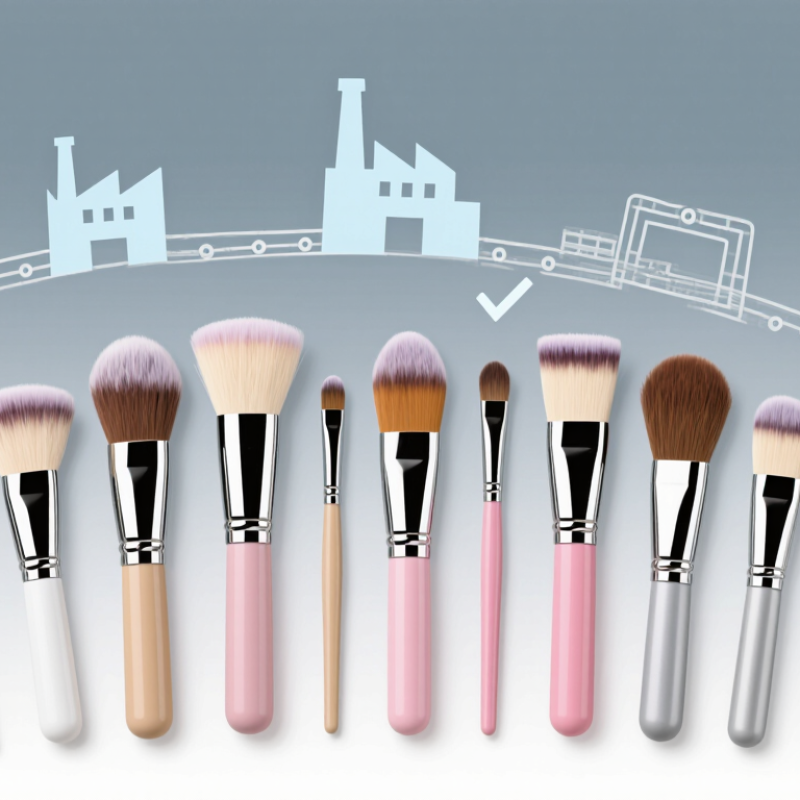
Understanding OEM Skincare Brush Manufacturing in China
Understanding OEM Skincare Brush Manufacturing in China
OEM skincare brush production usually involves several linked steps: bristle selection, handle molding, assembly, inspection, and packaging. Nylon or PBT bristles may suit different textures and cleaning routines, while ferrule fit and adhesive curing affect shedding and durability. Ask suppliers how they test brush heads after washing and repeated use. A sample should feel consistent, not merely look polished.
China’s National Bureau of Statistics reported cosmetics retail sales of RMB 414.2 billion in 2023. This indicates a large domestic beauty market, but it does not measure brush demand specifically. That distinction matters. Buyers should check current production capacity, material specifications, defect records, and whether sample results match bulk orders. Factory visits or independent inspections can help verify these details; a product sheet alone cannot.
Tips: Request a written specification for bristle length, handle material, and acceptable shedding. Compare pre-production samples with finished goods. Small gaps can become costly. I have seen buyers focus heavily on appearance and overlook wash testing; that is an easy mistake to repeat.
China Top 10 OEM Skincare Brush Manufacturers - Understanding OEM Skincare Brush Manufacturing in China
An overview of common OEM capability profiles and practical sourcing considerations. This is not a verified supplier ranking; MOQ and lead-time figures are indicative planning ranges and vary by design, materials, order volume, and factory schedule.
| No. | OEM Capability Profile | Common Brush Formats | Typical Handle Options | Common Bristle Options | Customization Focus | Indicative MOQ | Indicative Production Lead Time | Buyer Checks |
|---|---|---|---|---|---|---|---|---|
| 1 | Facial cleansing brush specialist | Manual face-cleansing brushes; silicone cleansing tools | ABS, PP, silicone, or mixed-material handles | Nylon or soft silicone contact surfaces | Head shape, softness, grip texture, and color | About 500–2,000 units per design | About 25–45 days after sample approval | Check cleaning instructions, material specifications, and edge finish. |
| 2 | Mask-application brush specialist | Flat, oval, and silicone spatula-style applicators | Plastic, wood, or aluminum-ferrule constructions | Synthetic filaments or molded silicone | Applicator width, tip profile, and set packaging | About 500–2,000 units per design | About 25–45 days after sample approval | Test product pickup, spreadability, and residue removal. |
| 3 | Serum and cream applicator specialist | Small precision brushes and skincare spatula brushes | ABS, PP, stainless-steel accents, or silicone | Fine synthetic fibers or molded silicone tips | Tip precision, applicator shape, and travel-size formats | About 500–3,000 units per design | About 25–50 days after sample approval | Confirm compatibility with the intended formula and packaging. |
| 4 | Silicone skincare tool specialist | Cleansing pads, massage tools, and flexible applicators | Molded silicone, sometimes combined with a rigid core | Silicone nubs, ribs, or smooth molded surfaces | Mold geometry, texture, durometer, and color | About 1,000–5,000 units per design | About 30–60 days; tooling may add time | Review mold costs, material documentation, and dimensional samples. |
| 5 | Multi-piece brush-set assembler | Cleansing, mask, and massage brush sets | Mixed plastic, wood, or aluminum components | Synthetic filaments, silicone, or a combination by tool | Set composition, inserts, and retail-ready packaging | About 1,000–3,000 sets | About 30–55 days after all components are approved | Confirm component sourcing, pack-out accuracy, and carton details. |
| 6 | Travel and compact-format specialist | Mini brushes, capped applicators, and portable tools | Compact ABS, PP, or aluminum designs | Short synthetic filaments or silicone tips | Protective caps, portability, and compact packaging | About 1,000–3,000 units per design | About 25–50 days after sample approval | Check cap retention, transit protection, and assembled dimensions. |
| 7 | Natural-handle brush specialist | Wood-handled mask and cleansing brushes | Wood or bamboo-style handles with coated or natural finishes | Usually synthetic filaments for skincare applications | Handle shape, finish, engraving, and color matching | About 1,000–5,000 units per design | About 30–60 days after material and finish approval | Ask about wood sourcing, moisture protection, and finish consistency. |
| 8 | Premium metal-handle brush specialist | Facial mask brushes and precision applicators | Aluminum or stainless-steel components with assembled heads | Fine synthetic fibers or silicone applicator heads | Metal finish, weight, engraving, and component fit | About 1,000–5,000 units per design | About 35–65 days after finish approval | Inspect coating uniformity, corrosion resistance, and joint strength. |
| 9 | Custom-molded tool developer | Proprietary shapes, ergonomic tools, and integrated brush designs | Injection-molded plastic, silicone, or mixed materials | Molded silicone or assembled synthetic-bristle heads | Industrial design, prototype iteration, and dedicated tooling | About 2,000–10,000 units, depending on tooling and design | About 45–90 days including development and tooling stages | Agree on tooling ownership, revision limits, and prototype sign-off. |
| 10 | Packaging and private-label coordination specialist | Single brushes, gift sets, and retail-ready kits | Selected according to the brush design and pack format | Selected according to the intended application and target cost | Logo application, printed cartons, labels, and bundled components | About 1,000–5,000 units, with packaging MOQs potentially separate | About 30–60 days after artwork and packaging approval | Confirm packaging lead times, artwork proofs, and final inspection scope. |
Note: The profiles describe common OEM service models, not specific manufacturers. Request current quotations, material specifications, samples, and applicable test documents before placing an order.
FAQS
Check even bristle length, secure ferrules, smooth edges, and a handle that withstands light pressure. Small details matter.
Wet and dry the brush repeatedly, then look for shedding and uneven tips. Feel the bristles on skin; a quick glance can miss rough spots.
Ask for material specifications, relevant test reports, and clear cleaning and storage instructions. Paperwork is not proof. Confirm the tested materials match the delivered brush.
Request several samples from the intended production line. Compare shedding, odor, handle finish, ferrule alignment, and dimensions.
Confirm brush dimensions, bristle softness, color references, packaging, and production tolerances in writing. Too many finishes can increase variation.
Ask how incoming materials are checked, defects recorded, and batches tracked. Request sample records and documented inspection procedures. Answers should be specific.
Confirm minimum order quantities, tooling fees, sample charges, lead times, and total landed cost. A low unit price may conceal thinner handles or uneven trimming.
No. Inspect randomly chosen units and record defects with photos and agreed tolerances. Even careful checks miss things sometimes; I would not assume every batch is identical.
Conclusion
This guide explores how OEM Skincare Brushes are developed and manufactured in China, from product design and material selection to production, inspection, and packaging. It explains how brush shape, bristle type, handle design, and packaging can be customized to suit different product requirements, while highlighting the importance of consistent workmanship and clear quality checks throughout the manufacturing process.
The article also introduces ten manufacturers for buyers to consider and outlines practical ways to compare potential suppliers. Key factors include production capabilities, customization options, communication, quality-control procedures, sample evaluation, lead times, and order requirements. By understanding these considerations, businesses can assess suppliers more effectively and choose a manufacturing partner that aligns with their product specifications, quality expectations, and purchasing needs.