Choosing Facial Mask Applicator Brushes is less about finding a stylish handle and more about matching the tool to your mask, skin, and routine. A brush that spreads a clay mask evenly may feel too firm around the nose or under the eyes. Small details matter: bristle softness, brush width, handle grip, and how easily the head rinses clean. A smooth synthetic brush can be a practical option, especially when you want controlled application without using your fingers.
Not every brush suits every person. That sounds obvious, but product photos rarely show how a brush feels when it meets a thick mask. Consider whether the bristles bend gently, hold product without dripping, and reach narrow areas without scraping. Short, dense bristles can help with precise placement; a wider head may cover the cheeks faster. Neither is automatically better. Your mask’s texture and your preferred application style make a difference.
Hygiene deserves equal attention. Wash the brush after use, remove residue near the base of the bristles, and let it dry fully before storing it. Follow the maker’s care instructions, since materials and construction vary. If the brush sheds, feels rough, or becomes difficult to clean, replacing it may be sensible. I would not claim one design is perfect for everyone. Use this guide to compare practical features, avoid marketing claims that promise too much, and choose a brush you can comfortably maintain.
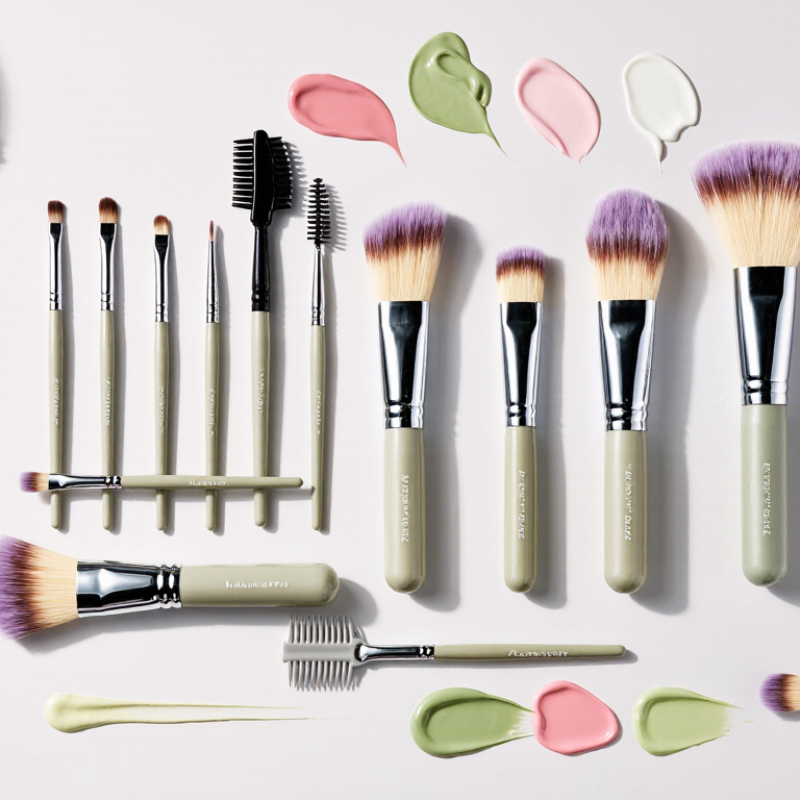
Understanding the Role of a Facial Mask Applicator Brush
A facial mask applicator brush is more than a neat-looking tool. It helps spread product in a controlled, even layer, especially around the nose and hairline. A flat, flexible head can make thicker masks easier to apply without using your fingers. Small details matter. Bristle softness, width, and handle grip affect how much pressure you use and where the product goes.
A brush may also keep fingers out of the jar and reduce mess on towels or clothing. That benefit depends on cleaning it properly. Rinse away residue after use, then let the brush dry fully in a clean, ventilated place. Damp bristles left in a closed container can become unpleasant. Check that the head feels secure and has no rough edges that could scratch delicate skin.
Choosing one comes down to the mask and your routine. A narrow brush offers more control for small areas; a wider head covers cheeks and forehead faster. Still, a brush is not automatically better than clean fingers. Some people find it awkward, and a thick formula may cling between bristles. Consider how easily the tool cleans, not only how smoothly it spreads product. I used to focus on appearance, but a comfortable grip and quick cleanup matter more in daily use.
How to Choose a Facial Mask Applicator Brush: Hygiene Matters
An applicator brush can help spread a facial mask evenly while keeping fingers out of the product. The American Academy of Dermatology recommends washing makeup brushes every 7–10 days; this guidance is for makeup brushes, so follow your mask and brush manufacturers’ cleaning instructions as well.
Comparing Brush Materials, Shapes, and Bristle Types
How to Choose Facial Mask Applicator Brushes?
Material affects how a brush feels and how much product it holds. Silicone applicators have smooth, flexible edges and release clay or cream masks with little residue. They are easy to rinse, though some people find them slippery on damp skin. Synthetic bristles usually offer a softer, more familiar brush feel. They can spread thin layers evenly, but dense bristles may trap leftover mask. Natural bristles are less predictable in texture and may require gentler cleaning. For sensitive skin, choose soft, smooth tips and check that the handle and ferrule are firmly joined.
Shape changes control. A flat paddle works well across the forehead and cheeks, where broad strokes save time. A small rounded brush can reach around the nose without pushing product into creases. Fan shapes suit light layers, but they may struggle with thick formulas. Bristle density matters, too: sparse bristles feel gentle but can leave streaks; dense ones provide more coverage, sometimes too much. Test a small amount on the back of your hand. Notice the drag. A brush that feels perfect in the shop may feel awkward near the nostrils. Cleaning is easy to overlook. Rinse thoroughly after use, since dried mask can stiffen bristles and make later application uneven.
Matching Brush Features to Mask Formulas and Skin Needs
A facial mask applicator should match the mask’s texture, not just look comfortable in your hand.
For thick clay or cream masks, a dense brush with soft, flexible bristles can spread product evenly without tugging. Very loose bristles may leave streaks or soak up too much mask. A flat silicone head works well with lightweight gel formulas because it glides easily and absorbs little product. Small details matter.
Skin needs should guide the brush’s feel and shape.
If your skin is easily irritated, choose a smooth, rounded edge and use light pressure; stiff or scratchy bristles can add unnecessary friction. For a precise application around the nose, a smaller brush head can help, though it may take longer on the cheeks. Try a thin layer first. A brush cannot make an unsuitable formula right for your skin, so patch-test new products and avoid applying them to irritated areas.
Application habits matter, too.
Pick up a small amount and sweep it outward in short strokes, keeping the brush away from your eyes and lips. Clean it after each use with mild soap, rinse until the water runs clear, and let it dry fully. I used to focus mostly on softness, but cleanup and product control matter just as much. A tool that is awkward to wash may not stay hygienic with regular use.
Evaluating Comfort, Durability, and Ease of Cleaning
How to Choose Facial Mask Applicator Brushes?
Evaluating Comfort, Durability, and Ease of Cleaning
Comfort starts with the handle and the bristles. A rounded handle that sits securely in your fingers helps when applying mask around the nose and jaw. The bristles should feel soft, not scratchy, against the inner wrist. That quick check is useful, though facial skin may react differently. Small details matter. A brush that is too wide can make precise application awkward, even if it spreads product quickly.
Durability depends on how the brush is assembled. Check that the bristles stay in place with a gentle tug and that the handle has no cracks or rough seams. A sturdy connection between bristles and handle is important, since moisture can loosen weak fittings over time. Synthetic bristles are often practical for creams and are generally easier to rinse than dense natural fibers. Still, no material lasts forever. Inspect the brush if it begins shedding or feels rough.
Cleaning should be simple enough to do after each use. Rinse the bristles promptly under lukewarm water, keeping water from pooling around the ferrule, where bristles meet the handle. Use a mild cleanser, then rinse until the water runs clear. Press out excess water with a clean towel and let the brush dry flat or with bristles pointing down. Leaving it upright while wet can send water into the handle. It is an easy mistake to make. Check for lingering product near the base before storing it.
How to Choose Facial Mask Applicator Brushes? - Evaluating Comfort, Durability, and Ease of Cleaning
| Brush Type |
Typical Head Material |
Comfort (1–5) |
Durability (1–5) |
Ease of Cleaning (1–5) |
Typical Cleaning Time |
Best Suited For |
Practical Considerations |
| Soft synthetic bristle |
Nylon or similar synthetic fibers |
4 |
4 |
3 |
About 1–2 minutes |
Smooth, even application of cream or gel masks |
Flexible bristles can feel gentle, but product may collect near the base and require thorough rinsing. |
| Silicone spatula tip |
Silicone |
3 |
5 |
5 |
Under 1 minute |
Hygienic application and quick cleanup |
Non-porous surfaces rinse clean easily; a firm tip may feel less soft on sensitive areas. |
| Flat synthetic brush |
Dense synthetic fibers |
4 |
4 |
3 |
About 1–2 minutes |
Controlled coverage around the nose and jawline |
A flat edge can help with precision; rinse from the base outward to remove residue between fibers. |
| Wide fan brush |
Fine synthetic fibers |
5 |
3 |
3 |
About 1–2 minutes |
Light, delicate layers over broader areas |
Soft, spread-out bristles can feel gentle but may be less effective with thick masks. |
| Short, dense brush |
Short synthetic fibers |
3 |
5 |
3 |
About 1–2 minutes |
Thicker masks and users who prefer a sturdy handle |
Dense fibers pick up product well but can hold more residue; allow the brush to dry fully after washing. |
| Dual-ended brush and spatula |
Synthetic fibers and silicone |
4 |
4 |
3 |
About 1–2 minutes |
Users seeking both precise spreading and easy scooping |
Versatile design; clean both ends separately and keep the tool dry between uses. |
|
Ratings are general comparative guidance on a 1–5 scale, where 5 is the most favorable. Cleaning times are approximate and vary with mask formula, brush size, and rinsing method. Wash reusable applicators after each use and let them dry completely.
|
Choosing the Right Brush for Your Skincare Routine
Choosing the right facial mask applicator brush depends on your routine, the mask’s texture, and how much control you need. A flat, flexible brush can spread a creamy clay mask across the cheeks and forehead. A smaller, tapered brush may help you work around the nose without coating the nostrils. If you use a watery gel, look for soft bristles that hold product without dripping. The “best” shape is personal; a brush that feels awkward in your hand probably won’t earn a regular place by the sink.
Tips: Use a clean brush and apply a thin, even layer. Avoid scrubbing, especially over irritated skin. Rinse the brush promptly, then let it dry completely before storing it.
Consider the handle, too. A comfortable grip makes application easier when your hands are damp, while a smooth edge can help you avoid tugging delicate areas. Check the brush for loose or rough bristles before use. Follow the mask’s directions, and stop if your skin feels unusually uncomfortable. I sometimes apply too much product near the hairline; a smaller amount and slower strokes help, though it takes practice. Brush care can feel like one more chore, but residue left between bristles is a good reason to clean it after each use.
Conclusion
Choosing the right facial mask brush can make skincare application more precise, comfortable, and hygienic. Facial Mask Applicator Brushes come in different materials, shapes, and bristle types, each suited to particular preferences and mask textures. A flat, flexible brush may help spread smooth formulas evenly, while a firmer or specially shaped applicator can offer better control with thicker products or around smaller areas of the face.
Consider your skin needs and routine when comparing options. Soft bristles and a comfortable handle can make application gentler, while durable construction and easy cleaning support regular use. The best choice is one that feels pleasant to hold, works well with your preferred mask formulas, and can be cleaned thoroughly after each use. By weighing comfort, performance, and maintenance together, you can select a brush that fits naturally into your skincare routine.