How to Choose the Best Powder Cosmetic Brushes?
Table of Contents
Choosing the right Powder Cosmetic Brushes is less about owning many tools and more about matching each brush to a specific makeup task. A soft, rounded brush can diffuse loose powder across the cheeks, while a denser, tapered head offers greater control around the nose and under the eyes. The difference is visible: one creates an airy veil, and the other can leave a heavy patch if handled carelessly.
Industry research supports this shift toward informed beauty purchasing. Grand View Research identifies product performance, premium formulations, and growing cosmetic use as important makeup-market drivers. Circana’s beauty reports also show that consumers increasingly evaluate makeup through performance, routine fit, and perceived value, rather than novelty alone. These findings do not prove that an expensive brush is always better. They suggest that construction and usability deserve closer attention.
Material matters. Synthetic bristles are often practical for powder products, easy to clean, and suitable for consumers seeking consistent maintenance. Natural hair may provide a different pickup and blending feel, but quality can vary between manufacturers. Handle balance, ferrule security, shedding, scratchiness, and wash durability reveal more than attractive packaging.
There is no perfect brush.
My own evaluation starts with the powder’s texture, the coverage required, and the user’s technique. A beginner may need forgiving diffusion, while an experienced artist may prefer controlled placement. This guide examines shape, density, fiber, comfort, cleaning, and price to help readers choose Powder Cosmetic Brushes with evidence, realistic expectations, and a little healthy skepticism.
Define the Purpose and Coverage of Powder Cosmetic Brushes
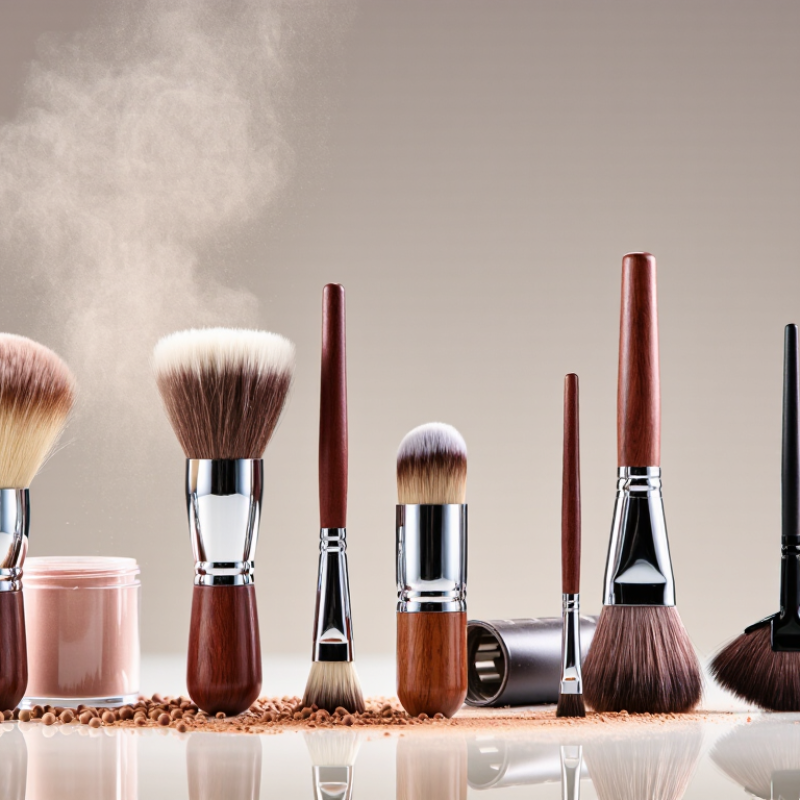
Choosing a powder cosmetic brush starts with its purpose, not its appearance. A large, soft brush suits loose powder across the forehead, cheeks, and jaw. It creates light, even coverage without making the skin look flat. A smaller brush offers more control around the nose, eyes, and hairline. That difference matters during daily application.
Coverage depends on the bristles, shape, and pressure. Dense bristles pick up more product and create stronger coverage. They work well for targeted areas or layered makeup. Looser bristles distribute powder gently and leave a more natural finish.
I usually tap excess powder onto a clean tissue before touching the face. This simple habit reduces patchiness. Too much pressure can disturb foundation underneath.
I once chose a brush because it looked luxurious. That shortcut was wrong. The handle felt comfortable, but the wide head made precise application difficult. Now, I match the brush to the coverage I need. For sheer coverage, I choose flexible fibers and a rounded shape. For fuller coverage, I use a compact head and build thin layers. Skin texture also changes the decision. Dry areas may show every extra sweep, while oilier areas may need controlled pressing. Clean the brush regularly, inspect loose fibers, and replace it when the shape stops recovering. My choices are still not perfect. Lighting can change how coverage appears.
Compare Brush Shapes, Sizes, and Bristle Materials
How to Choose the Best Powder Cosmetic Brushes?
Compare Brush Shapes, Sizes, and Bristle Materials
The right powder brush depends on placement, pressure, and product texture. A large, rounded brush spreads loose powder across cheeks and the forehead. A tapered shape reaches beneath the eyes and beside the nose. Flat, dense brushes create stronger coverage, but they may disturb cream products underneath.
Size changes control. A 20–25 mm head suits targeted setting, while a 35–45 mm head works faster on larger areas. During kit testing, I find medium heads easier for beginners. That judgment is not absolute. Hand size and powder preference matter. Grand View Research reported that the global makeup brushes market was valued at approximately USD 1.8 billion in 2023, with continued growth expected through 2030. Rising demand for precise application supports better attention to brush design.
Tips: Choose soft synthetic bristles for liquid-friendly hygiene and consistent powder pickup. Natural hair can feel warmer and hold powder well, but quality varies. Check the cut ends. They should feel smooth, not scratchy. Press the brush lightly against your wrist before buying. If shedding appears after gentle washing, reconsider the construction. The ISO 22716 cosmetics guideline emphasizes hygienic production practices, but it does not make every brush hygienic automatically. Wash tools regularly, dry them bristle-down, and replace damaged heads. I still sometimes use a dense brush for sheer powder, although it is less efficient. Technique can challenge the specification.
Match Brush Features to Different Powder Products
How to Choose the Best Powder Cosmetic Brushes?
Match the brush to the powder product, not only to its appearance. Loose setting powder usually needs a large, airy brush with soft, flexible bristles. It spreads a thin veil across the forehead and cheeks without leaving a heavy patch. A denser, rounded brush gives pressed powder more coverage. Use gentle pressing motions around the nose and chin.
Blush and bronzer need controlled placement. Choose a medium-sized brush with a tapered or angled head. It should fit beneath the cheekbone without scratching the skin. For highlighter, a smaller fan or tapered brush helps place powder on the cheekbones and brow bone. In my own kit, I once used a large brush for highlighter. The result looked dull and scattered. That shortcut was wrong. Brush size matters more than I expected. Brush size matters more than I expected.
Tips: Test the brush on clean skin. The bristles should feel soft, but not limp. Check whether they shed after several light passes. Wash powder brushes regularly with mild cleanser, then dry them flat. A damp brush can change the texture of pressed powder and encourage buildup. Also, consider your hand pressure. If you apply heavy pressure, a very dense brush may create uneven color. A lighter brush could offer better control. Some brush shapes work differently for different users, so test before buying several.
Evaluate Quality, Comfort, Durability, and Maintenance
How to Choose the Best Powder Cosmetic Brushes?
Evaluate Quality, Comfort, Durability, and Maintenance
A quality powder brush should feel balanced before it touches your face. I test the handle, ferrule, and bristles separately. The handle must offer a secure grip without feeling heavy. Soft, dense bristles usually spread powder more evenly. However, excessive softness can reduce control. Gently press the brush against your wrist. It should feel smooth, not scratchy or stiff. Check for shedding by pulling the bristles lightly. A few loose hairs may occur, but repeated shedding suggests weak construction.
Comfort matters during repeated application. A rounded head can move across the cheeks without leaving sharp edges. The ferrule should remain firmly attached when you apply moderate pressure. I once chose a beautiful brush with a loose ferrule. It became irritating after several uses. That mistake changed how I assess tools. Small details matter.
Durability depends on both materials and maintenance. Wash powder brushes regularly with mild cleanser and lukewarm water. Avoid soaking the handle, because moisture can weaken the internal bond. Rinse until the water runs clear, then reshape the bristles. Dry the brush flat with the head extending beyond the counter. Never store it while damp. A clean brush supports more consistent application and reduces product buildup. Inspect it monthly for odor, shedding, or bent fibers. If performance declines, replace it rather than forcing uncomfortable use.
How to Choose the Best Powder Cosmetic Brushes? - Evaluate Quality, Comfort, Durability, and Maintenance
A practical, brand-neutral evaluation framework for powder, blush, bronzer, and finishing brushes
| Evaluation Dimension | What to Inspect | Practical Benchmark | Suggested Weight | Score Guide (1–5) |
|---|---|---|---|---|
| Fiber Quality | Check softness, fiber uniformity, spring, and whether the tips feel scratchy on clean skin. | Fibers should feel smooth, have no sharp or split ends, and return to their original shape after gentle compression. | 25% | 1 = scratchy 3 = acceptable 5 = soft and resilient |
| Powder Pickup & Release | Observe how evenly the brush collects, distributes, and blends loose or pressed powder. | A good brush should build coverage gradually without creating obvious streaks, bare patches, or concentrated spots. | 20% | 1 = patchy 3 = workable 5 = even and controllable |
| Shape & Density | Match the head design to the intended use: large and fluffy for finishing, angled for bronzer, or compact for targeted application. | The head should be symmetrical, securely shaped, and dense enough to blend without feeling stiff. | 15% | 1 = unsuitable 3 = usable 5 = well matched |
| Handle Comfort & Control | Assess grip, balance, surface finish, length, and ease of movement during repeated application. | The handle should feel balanced, resist slipping, and allow both light sweeping and controlled buffing. | 15% | 1 = uncomfortable 3 = adequate 5 = secure and balanced |
| Construction & Durability | Inspect the ferrule, adhesive bond, handle joint, and fiber shedding after gentle pulling and bending. | The ferrule should not wobble, the handle should not crack, and only minimal shedding should occur during initial use. | 15% | 1 = loose or shedding 3 = stable 5 = firmly assembled |
| Maintenance & Hygiene | Consider how easily powder residue can be removed and whether the brush dries without retaining moisture. | Wash regularly, rinse until water runs clear, reshape the head, and dry flat or with bristles angled downward. | 10% | 1 = difficult to clean 3 = manageable 5 = quick-drying and easy to clean |
Choose a brush with a weighted score of at least 4.0 out of 5, provided that Fiber Quality and Construction & Durability each score 4 or higher.
Remove excess powder after each use, deep-clean regularly according to frequency of use, and never store the brush while the fibers are damp.
Avoid brushes with a strong chemical odor, sharp fibers, a loose ferrule, cracked handles, heavy shedding, or a shape that cannot be restored after washing.
Choose the Best Brush Set for Your Makeup Routine
Choosing the best brush set starts with your makeup routine, not the number of tools inside the case. Ask what you use daily. A medium, rounded powder brush suits loose and pressed powder. Its soft bristles should move lightly across the cheeks without leaving visible streaks. A smaller tapered brush helps place powder beneath the eyes and around the nose. If you wear blush or bronzer, choose separate brushes to prevent muddy color.
Your skin type also matters. Dense bristles pick up more product, which can help with buildable coverage. Looser bristles create a softer finish and reduce the risk of applying too much powder. For sensitive skin, look for smooth synthetic fibers and a comfortable handle. Natural hair can feel pleasant, but its texture and maintenance vary. A good set should feel balanced in your hand, not merely look complete.
I usually test brushes against my wrist before using them on my face. Scratchy fibers are a warning sign. Clean powder brushes every one or two weeks, especially when using cream products nearby. Let them dry flat, with the bristles extending beyond the counter edge. I still sometimes choose a large brush for quick makeup and regret the uneven edges later. A smaller, reliable set often fits real routines better than a crowded collection.
FAQS
Choose a large, rounded brush with soft, flexible bristles. It spreads a thin veil across cheeks and the forehead. Small details matter.
Use a tapered brush with a smaller head. Its pointed shape improves control around narrow areas. Press lightly.
A 20–25 mm head suits targeted setting. A 35–45 mm head covers larger areas faster. Medium heads may feel easier for beginners.
No. Dense, flat brushes create stronger coverage. They can disturb cream products underneath. Use gentle pressing motions instead.
Choose a denser, rounded brush for more coverage. Apply powder around the nose and chin with light pressure. Heavy pressure can create uneven color.
A medium tapered or angled brush helps place blush and bronzer beneath the cheekbone. Use a smaller fan or tapered brush for highlighter.
Soft synthetic bristles offer consistent pickup and easier cleaning. Natural hair can feel warm and hold powder well. Quality still varies.
Press the bristles gently against your wrist. They should feel smooth, not scratchy. Check for shedding after light passes. Test it first.
Wash them regularly with mild cleanser. Dry them bristle-down or flat, away from excess moisture. Replace damaged heads. A damp brush can affect pressed powder.
Not always. Hand size, pressure, and technique change the result. I once used a large brush for highlighter, creating scattered color. That shortcut failed.
Conclusion
Choosing the best Powder Cosmetic Brushes begins with understanding their purpose and the level of coverage you want to achieve. A large, fluffy brush is ideal for applying loose powder evenly, while a smaller or denser brush offers more control for targeted coverage, contouring, or setting specific areas. Brush shape and size should match your makeup routine, and bristle material can affect softness, product pickup, blending ability, and ease of cleaning.
It is also important to match each brush with the powder product you use. Fine, soft bristles work well with lightweight powders, while denser bristles can help build coverage with pressed or colored formulas. When comparing options, consider comfort, handle balance, durability, shedding resistance, and maintenance requirements. The best brush set is not necessarily the largest one; it should include practical shapes and sizes that support your everyday application style while remaining easy to clean, store, and use consistently.

Blog Tags: