0%

Choosing Custom Makeup Brushes for your brand begins with understanding who will use them. A soft, rounded blush brush feels different from a compact concealer brush, and both should work well in real routines. “I believe that all women are pretty without makeup—but with the right makeup can be pretty powerful,” says makeup artist and entrepreneur Bobbi Brown. Though she was speaking about makeup broadly, her point applies here: useful tools should help people feel capable, not overwhelmed.

This guide explores the choices behind a dependable brush range: brush shapes, fiber types, handle materials, density, and finish. Match each design to a clear task. A tapered eye brush should place color neatly near the lash line; a larger powder brush should diffuse it without leaving obvious edges. Then check how the set feels in hand. Small details matter. A handle that looks elegant in a product photo may feel slippery after several minutes of use.

Sampling deserves honest attention. One attractive prototype does not prove consistent quality. Test shedding, softness, balance, and cleaning across multiple samples, and ask suppliers how they maintain repeatability. Trade-offs are real: a lower-cost material may meet a launch budget but miss the desired feel. There is no perfect specification. The goal is a thoughtful balance between performance, appearance, price, and your brand’s promises.
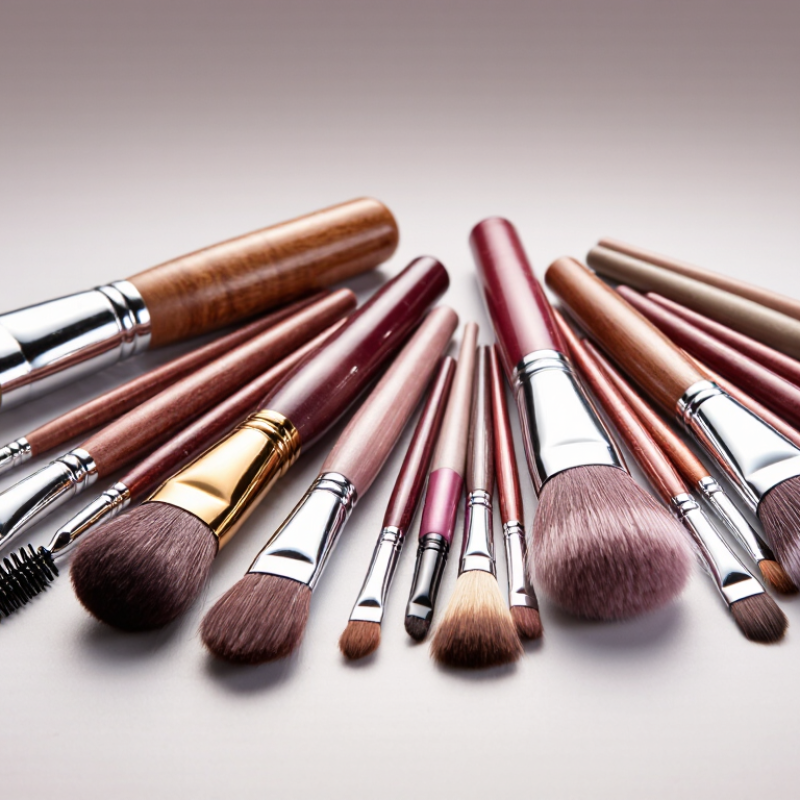
How to Choose Custom Makeup Brushes for Your Brand?

Define Your Brand’s Needs and Intended Brush Uses

A custom brush set should solve specific application problems, not simply look cohesive in a product photo. Define the intended user, price point, and daily routine before selecting shapes. A beginner may need a soft, tapered blending brush; a professional kit may require precise liners and durable, clearly differentiated handles. Small details matter. A ferrule that loosens after repeated washing can undermine an otherwise thoughtful design.

Match each brush to its formula and placement. Dense, short bristles can help press cream products onto skin, while longer, flexible fibers suit diffused powder application. Test the brush with the actual formula, not just a sample powder. Check shedding, streaking, cleaning time, and performance after repeated washes. I would not assume one fiber type works equally well for every customer; that shortcut needs testing.

Market reports can guide context, but they do not prove demand for a particular brush. McKinsey’s 2023 State of Fashion report projected the global beauty market could reach about $580 billion by 2027, with roughly 6% annual growth. Circana reported U.S. prestige makeup sales rose 5% in 2024. These figures suggest a substantial, changing category, not guaranteed brush sales. Use customer interviews and wear tests to refine the assortment: ask which tools are genuinely missing, then observe how people use them at a mirror, under ordinary lighting.

Choose Brush Shapes, Bristles, and Handle Materials

How to Choose Custom Makeup Brushes for Your Brand?

Choose each brush shape for a clear task. A compact, rounded brush can place concealer around the nose, while a tapered shape softens powder beneath the eyes. Flat, dense heads offer controlled coverage with liquid foundation. Fan shapes can sweep away loose powder, but they may feel too delicate for daily use. Test prototypes with the formulas and motions your customers actually use. A brush that looks elegant may still leave streaks.

Bristles affect pickup, release, and cleaning. Synthetic fibers often suit creams and liquids, and their consistent tips make sampling easier. Still, fiber quality varies. Check for shedding, scratchiness, and product trapped near the ferrule. Handle material matters too. Lightweight wood feels warm in the hand; coated aluminum feels cool and sturdy. Plastic can offer easy-care options, though a slippery finish may frustrate users. Small details count.

Tips: Test dry and damp. Use the brush for several washes, then inspect its shape and glue line. Compare handle balance with wet hands. Ask testers to note what feels awkward, not only what looks polished. Sampling takes time. It can also expose a weak design before production.

Set Customization Options and Product Specifications

How to Choose Custom Makeup Brushes for Your Brand?

Set Customization Options and Product Specifications

Customization works best when every choice is measurable. Cosmetics Europe reported €96 billion in European cosmetics and personal care retail sales in 2023. McKinsey’s 2023 beauty report projected roughly 6% annual market growth through 2027. These figures describe a broad category, not brush demand, but they show why a clear product offer matters. Define the intended user and application before selecting shapes, materials, or set sizes.

Specify each brush head by shape, dimensions, fiber type, and density. Record handle length, material, finish, ferrule dimensions, and color reference. Small details matter. Ask suppliers to document tolerances and provide samples for comparison. Test pickup and release with loose and pressed powder, then check liquid-product performance where relevant. Wash brushes repeatedly and inspect for shedding, splaying, odor, or finish changes. Set acceptance criteria before approving production; “soft” alone is too subjective. Packaging should protect the head without permanently flattening the fibers. One area teams sometimes underestimate is how a small head-shape change can alter application.

Assess Suppliers, Samples, and Quality Standards

Choosing a brush supplier means checking the production process, not just the presentation deck. Circana’s 2023 U.S. Beauty Industry report recorded prestige beauty sales growth of 14% and mass beauty growth of 6%. That competitive pace makes repeatable quality important. A polished sample proves little on its own.

Ask suppliers for material specifications, factory quality procedures, and recent inspection records. Request several samples, not one. Check bristle shedding with repeated strokes across clean skin, then wash and dry the brush according to the supplier’s instructions. Look for loose ferrules, rough edges, uneven glue, and handles that become tacky or faded. Keep a signed reference sample and compare production units against it. Details matter.

ISO 9001:2015 certification can indicate a documented quality management system, but it does not guarantee brush performance. Use clear acceptance criteria and agree on inspection sampling before production; ISO 2859-1 provides sampling plans for attribute inspection. Set defect limits for shedding, assembly, and finish, and record test results by batch. A weak point is often overlooked: shade variation in handles may pass basic checks yet clash across a coordinated set. Recheck it under consistent lighting. No checklist catches everything, so revise specifications when real samples expose gaps.

Plan Pricing, Packaging, and Order Quantities

Set pricing from the full landed cost, not the brush set alone. Include brush heads, handles, assembly, printing, freight, duties, inspection, and rejected units. NIQ reported that global beauty sales grew 10% in 2023; that growth is encouraging, but it does not guarantee demand for a new brush line. Keep a sample budget separate from production cash. Small orders feel safer. Yet they can raise the per-unit cost when custom handles or printed cartons have minimum runs. Request quotes at several quantities, such as 500, 1,000, and 3,000 sets, and compare the total cost at each tier.

Packaging changes both price and customer experience. A rigid box protects brush shapes, but adds weight and shipping expense; a paper sleeve may cost less, but offers less protection. McKinsey’s 2023 beauty-market report projected roughly 6% annual growth through 2027, making room for new products, not automatic sales. Test packaging with a filled sample: shake it, check for loose ferrules, and inspect whether bristles keep their shape. A common planning mistake is ordering too many printed boxes before testing the final brush dimensions. It happens. Ask suppliers to state minimum order quantities, sample fees, lead times, and re-order terms in writing. Then choose a first run your cash flow can absorb, even if the unit price is not the lowest.

Custom Makeup Brush Order Planning

Illustrative sample pricing shows how larger order quantities may reduce the estimated cost per brush. Use these figures for early budgeting only; supplier quotes vary with brush materials, customization, packaging, and shipping.

Planning note: Compare the total order cost—not just the unit price—and confirm minimum order quantities, packaging specifications, and any setup fees before placing an order.

FAQS

What should I define before customizing makeup brushes?

Define the intended user and application. Then specify brush shapes, dimensions, fiber type, density, handle length, finish, and colors. Small details matter.

How can I compare brush samples fairly?

Test standard and revised samples under the same conditions. Try them with loose and pressed powders, and liquids when relevant. Record pickup, release, and feel.

What should repeated washing reveal?

Wash and dry samples according to the supplier’s instructions. Check for shedding, splaying, odor, loose ferrules, or changes to the handle finish. Not every flaw appears at first.

How can I assess a supplier’s quality?

Request material specifications, quality procedures, and recent inspection records. Ask for several samples, then compare production units with a signed reference sample.

What acceptance criteria should I set?

Set measurable limits for shedding, assembly, finish, and color variation. Check handle shades under consistent lighting. “Soft” is too vague.

What costs belong in a brush set’s budget?

Include materials, assembly, printing, freight, duties, inspection, and rejected units. Keep sample costs separate from production cash. The lowest unit price may not mean the lowest total cost.

How should I choose packaging?

Test packaging with a filled sample. Shake it and check whether bristles hold their shape. Rigid boxes protect better, but add weight and shipping cost.

How do I choose an initial order quantity?

Request quotes at several quantities, such as 500, 1,000, and 3,000 sets. Compare total costs, minimum runs, sample fees, lead times, and re-order terms. A smaller order can still cost more per set.

Conclusion

Choosing Custom Makeup Brushes begins with understanding your brand’s needs and how customers will use each brush, from applying foundation to blending eyeshadow. Define the intended brush functions, then select shapes, bristle materials, and handle materials that suit the desired performance, feel, and appearance. Clear product specifications can help keep the brush range consistent and make customization decisions easier, including choices such as colors, finishes, and logo placement.

Before placing an order, assess potential suppliers, review samples, and establish quality standards for factors such as bristle softness, shedding, durability, and workmanship. Compare pricing, packaging options, and minimum order quantities to ensure the plan fits your budget and inventory needs. Careful evaluation at each stage can help you develop a practical, cohesive brush collection that reflects your product goals and delivers a reliable experience for customers.

Charlotte

Charlotte

Charlotte is a professional marketing specialist with a strong understanding of the company’s products and the needs they are designed to address. Through her work, she helps make product information clear, useful, and accessible, connecting practical features with the real-world priorities of......