China Best Cooling Facial Skincare Tools Supplier?
Table of Contents
- What Defines a Reliable Cooling Facial Skincare Tools Supplier in China?
- Which Cooling Facial Skincare Tools Are Most Commonly Manufactured in China?
- How to Evaluate Chinese Suppliers for Quality, Safety, and Performance
- What Customization and Private Label Services Do Chinese Suppliers Offer?
- How to Select the Best China Supplier for Your Skincare Business
- FAQS
- Conclusion
- Related Posts
Choosing the China Best Cooling Facial Skincare Tools Supplier? The answer requires more than comparing prices or attractive product photos. Cooling Facial Skincare Tools should feel comfortable, perform consistently, and support safe daily skincare routines. A cold facial roller may look simple, but its material, surface finish, handle balance, and cleaning method can affect the user experience.
This guide explores how buyers can evaluate Chinese suppliers with practical judgment. It considers manufacturing experience, product customization, quality control, packaging, communication, and export support. Reliable suppliers should explain their materials clearly, provide samples, and share suitable testing or compliance documents when available. They should also describe storage instructions and cleaning recommendations without making unrealistic skincare claims.
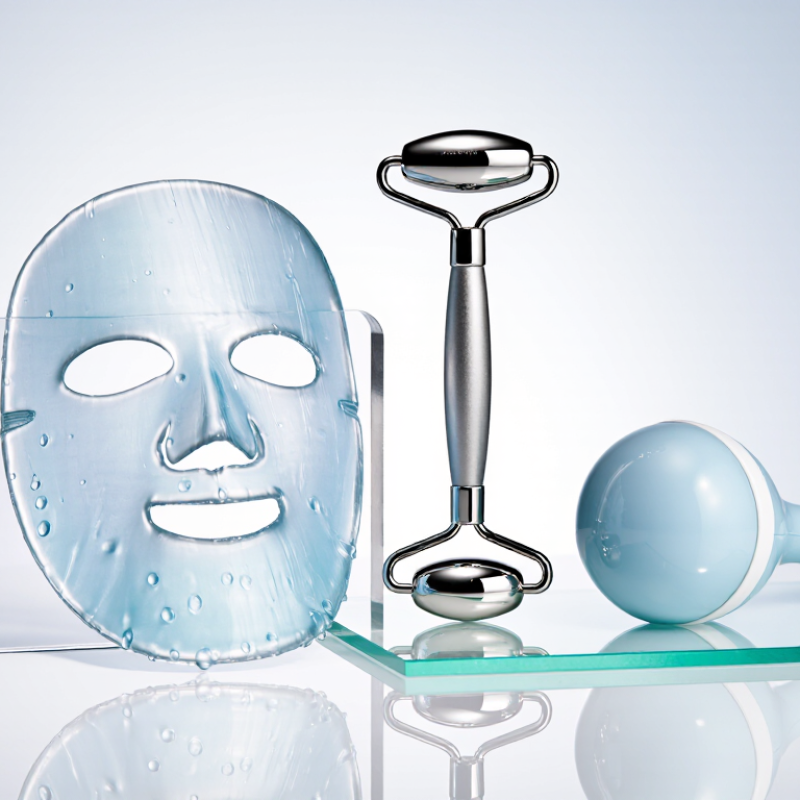
Details matter. A smooth metal roller should glide evenly across the cheek. A cooling mask should sit securely without creating uncomfortable pressure. Packaging should protect the tool from scratches, dust, and temperature changes during shipping. These small points reveal professional attention.
No supplier is perfect.
A responsible sourcing decision also requires questions about production capacity, lead times, replacement policies, and inspection procedures. Customer reviews can offer useful experience, but they should not replace sample testing. Some suppliers communicate quickly yet provide inconsistent quality. Others may offer fewer design options but stronger manufacturing discipline.
This introduction presents a balanced way to identify a dependable partner for Cooling Facial Skincare Tools. It avoids exaggerated promises and focuses on evidence, usability, and long-term cooperation. The “best” supplier depends on your market, customer expectations, order volume, and quality standards. That deserves careful reflection.
What Defines a Reliable Cooling Facial Skincare Tools Supplier in China?
A reliable supplier proves performance with clear, repeatable testing. During sourcing, ask for cooling-speed records, temperature-control data, and material specifications. Stainless steel contact heads should feel smooth, without sharp edges or uneven polishing. The device should maintain a stable temperature during repeated use.
Small details matter.
Ask whether each production batch receives electrical safety checks and appearance inspections. A dependable factory can provide traceable lot numbers, inspection records, and transparent sample reports. It should also explain how it handles defective units, replacement parts, and warranty claims.
Clear communication matters more than polished promises. Very much so.
I also examine packaging, manuals, charging protection, and storage instructions before placing a larger order. A supplier willing to send samples usually accepts practical evaluation. Test the tool after several charging cycles, not only on the first day.
No supplier gets everything right. I have learned that response speed can hide quality gaps, while honest answers reveal manufacturing discipline. Factory audits, independent testing, and documented quality systems strengthen confidence, but they do not replace real product checks. A reliable partner listens to feedback, corrects weak points, and keeps specifications consistent across future shipments.
Which Cooling Facial Skincare Tools Are Most Commonly Manufactured in China?
China Best Cooling Facial Skincare Tools Supplier?
China commonly manufactures cooling facial rollers, stainless-steel cryo globes, ice facial sticks, gel-filled masks, and refrigerated eye patches. These products usually use stainless steel, food-grade silicone, ABS, or sealed gel materials. Factory audits should check surface smoothness, temperature recovery, leak resistance, and skin-contact safety. Small details matter. A rough edge can irritate delicate facial skin.
Demand is supported by wider beauty growth. McKinsey’s 2023 beauty-market analysis estimated that the global beauty industry could reach about 580 billion dollars by 2027. Its report also identified online channels as an important growth driver. Grand View Research has reported continued expansion in beauty devices, encouraged by home-use routines and non-invasive care. However, cooling tools remain a fragmented category. Public market reports rarely separate them clearly. That makes supplier comparisons less precise.
For buyers, the most practical Chinese suppliers usually offer private-label molding, packaging, color matching, and batch inspection. Experienced factories can provide cooling-duration tests at different room temperatures. They should also document material composition and cleaning instructions. I would not judge quality by a tool’s cold sensation alone. Excessive cold may feel impressive, but it can be uncomfortable for sensitive skin. A better assessment includes controlled temperature, balanced weight, smooth contact, and repeatable performance. Some suppliers still rely on broad “ice therapy” language. That wording needs careful review, because cosmetic tools should not imply medical treatment. Supplier reliability is better shown through samples, inspection records, and transparent production limits than through polished catalogs.
How to Evaluate Chinese Suppliers for Quality, Safety, and Performance
China Best Cooling Facial Skincare Tools Supplier?
How to Evaluate Chinese Suppliers for Quality, Safety, and Performance
Choosing a Chinese cooling facial skincare tools supplier requires more than comparing prices. Request factory photos, production records, and recent quality certificates. Check whether the supplier controls incoming materials, assembly, cleaning, and final inspection. Skin-contact parts should have clear material specifications, such as stainless steel or tested silicone. Vague descriptions deserve careful questions.
Ask for samples from normal production, not specially prepared units. Test cooling speed, surface temperature, grip comfort, and performance after repeated use. For powered tools, review charging protection, insulation, battery quality, and operating instructions. A reliable supplier should provide test reports, batch numbers, traceability records, and packaging details. Independent laboratory testing can confirm important claims.
Look closely at small details.
A sample may work well for one week but fail after daily handling. In practical sourcing reviews, I also compare three samples from different batches. Minor temperature differences can reveal weak process control. Factory audits are useful, yet a polished showroom proves little. I have learned that communication matters too: suppliers should explain defects honestly and offer a documented corrective plan. Delivery promises, replacement procedures, and inspection standards should appear in writing. No checklist is perfect. Some buyers still overlook user comfort, cleaning difficulty, or condensation around charging ports. These details can affect real performance and customer trust.
What Customization and Private Label Services Do Chinese Suppliers Offer?
Chinese suppliers offer more than ready-made cooling rollers. They can adjust handle shapes, cooling heads, surface textures, and product colors. For a private label project, buyers may submit sketches or reference samples. Engineers then review mold structure, material choices, grip balance, and cleaning needs. Common options include stainless steel, food-grade silicone, ABS, and recyclable packaging. Some factories also develop rechargeable cooling devices with temperature settings and safety controls. That detail matters. A practical supplier should provide drawings, prototypes, and a clear approval process before mass production.
Customization usually covers laser logos, printed marks, color matching, instruction cards, cartons, and gift sets. Suppliers may support barcode placement, package translations, and shipment-ready labeling. Ask for material reports, inspection records, and performance tests before approving a batch. Experienced teams can explain cooling duration, charging cycles, waterproof limits, and expected product life. Request a sealed sample from the final production line. It exposes small faults. A loose cap, uneven polish, or weak magnet can damage customer trust. Private label orders often require minimum quantities, mold fees, and longer sampling periods. The first sample may not feel perfect. That is normal, but every revision should be documented and measured. Suppliers with export experience should discuss applicable market requirements without making unsupported claims. Keep communication written. Clear specifications reduce disputes over color, cooling performance, packaging, and delivery.
| Customization or Private Label Service | Common Options for Cooling Facial Tools | Typical Minimum Order Quantity | Typical Development or Production Time | Important Buyer Requirements |
|---|---|---|---|---|
| Product Selection | Cryo globes Ice rollers Cooling rollers Metal massage tools Reusable gel masks | Usually available from standard stock; bulk orders often begin at 50–500 units depending on the item. | Approximately 3–10 working days for stock products, excluding shipping. | Confirm dimensions, materials, operating method, packaging condition, and whether the product is reusable. |
| Logo Application | Screen printing, pad printing, laser engraving, debossing, or printed logo labels. | Commonly 100–1,000 units, depending on the decoration process and product surface. | About 7–15 working days after artwork approval. | Provide vector artwork such as AI, EPS, or editable PDF files. Request a digital proof or pre-production sample. |
| Color Customization | Custom body colors, metallic finishes, translucent colors, silicone colors, and Pantone color matching. | Often 500–3,000 units for custom molded or coated colors; stock colors may require less. | Approximately 15–30 working days after color approval. | Color appearance can vary by material, surface finish, lighting, and production batch. A physical color sample is recommended. |
| Material Customization | Stainless steel, aluminum alloy, glass, ABS, PC, PP, silicone, and reusable gel-filled constructions. | Usually 500–5,000 units when a new material specification or tooling change is required. | Approximately 20–45 working days, depending on tooling and testing. | Specify the material grade, skin-contact requirements, durability expectations, and cleaning instructions. |
| Shape and Mold Development | Customized roller heads, handles, facial contours, grip structures, cooling surfaces, and embossed patterns. | Commonly 1,000–10,000 units for new molds, with a separate tooling charge in many cases. | Approximately 30–60 working days, including design confirmation, mold production, sampling, and mass production. | Confirm mold ownership, revision rights, tolerances, sample approval, and whether the mold can be used exclusively. |
| Packaging Design | Custom folding cartons, rigid boxes, paper sleeves, drawstring pouches, EVA cases, inserts, and barcode labels. | Often 500–3,000 sets, depending on printing, finishing, and packaging structure. | Approximately 15–30 working days after final artwork approval. | Packaging may include product instructions, ingredients or material statements, warnings, country-of-origin details, and recycling marks. |
| Instruction and Label Localization | Multilingual user manuals, care cards, warning labels, QR codes, batch labels, and retail stickers. | Usually follows the product or packaging MOQ; lower quantities may be possible for digital printing. | Approximately 5–15 working days after translations and artwork are approved. | Verify language accuracy, font size, mandatory warnings, importer details, and local market labeling rules. |
| Private Label Manufacturing | Supplier-manufactured standard or semi-custom products sold under the buyer’s trademark and packaging. | Commonly 100–3,000 units for standard products; higher quantities may apply to fully customized products. | Approximately 15–45 working days after sample and artwork approval. | Agree on trademark authorization, quality standards, packaging ownership, inspection requirements, and delivery terms. |
| Prototype and Pre-Production Samples | Standard samples, logo samples, color samples, packaging mock-ups, and production approval samples. | Usually 1–10 samples; sample charges and shipping are commonly paid before production. | Approximately 3–20 working days, depending on customization level. | Use an approved sample as the reference for color, dimensions, logo position, surface finish, and packaging assembly. |
| Quality Inspection Support | Visual inspection, dimensional checks, packaging checks, function checks, drop testing, and third-party inspection coordination. | Available for most order sizes; inspection fees are normally quoted separately. | Inspection is typically completed before shipment, often within 1–3 working days. | Define acceptance criteria in advance, including cosmetic defects, leakage, sharp edges, loose parts, and packaging damage. |
| Compliance Documentation | Material declarations, test reports, declarations of conformity, factory audit documents, and packaging or product safety records. | Documentation availability varies by product, material, destination market, and test scope. | Approximately 5–20 working days when new testing is required. | For electrical or battery-powered cooling devices, confirm applicable electrical safety, electromagnetic compatibility, battery transport, and chemical requirements before purchase. |
| Shipping and Fulfillment | Carton packing, palletizing, export documentation, sea freight, air freight, courier delivery, and shipment consolidation. | Based on order volume and shipping method; small parcel and sample shipments are commonly supported. | Production lead time is separate from transit time; international transit may range from several days to several weeks. | Confirm Incoterms, carton dimensions, gross weight, HS code, destination duties, insurance, and whether fulfillment or drop-shipping is available. |
How to Select the Best China Supplier for Your Skincare Business
Choosing the Best China Supplier for Your Skincare Business
Demand for home beauty devices continues to grow. Grand View Research estimated the global beauty devices market at over USD 30 billion in 2023, with continued growth through 2030. McKinsey also projects the broader beauty market could reach about USD 590 billion by 2028. These figures suggest opportunity, but market growth does not guarantee supplier quality.
Start with product safety and manufacturing evidence. Ask for material declarations, temperature-control test results, electrical reports, and batch inspection records. For reusable facial cooling tools, skin-contact materials should be clearly identified and tested. A factory following ISO 9001 can show stronger quality systems, while ISO 22716 experience may support better cosmetic-product manufacturing practices. Certifications alone are not enough. Check the issuing body and test scope.
Request production samples before discussing large orders. Measure cooling time, surface temperature, charging performance, noise, packaging strength, and cleaning instructions. A reliable supplier should explain its quality-control points, defect policy, replacement process, and realistic lead time. Review its export experience and communication during small trial orders. The cheapest quotation can look efficient. It often is not. I would also question unusually fast delivery promises, unclear warranty terms, and copied test documents. A factory visit or independent inspection adds useful evidence, especially when your business depends on consistent user experience.
FAQS
Look for cooling-speed records, temperature data, and material specifications. Samples matter more than polished promises. Ask for repeatable test results.
Common materials include stainless steel, food-grade silicone, ABS, and sealed gel. The contact surface should feel smooth. No sharp edges.
Check for smooth polishing, balanced weight, and even contact surfaces. Run a finger carefully around the edges. Rough areas may irritate delicate skin.
Test cooling speed and temperature recovery at different room temperatures. Use the tool repeatedly, not just once. Cold alone proves little.
Request lot numbers, electrical safety checks, appearance inspections, and sample reports. These records should connect with specific production batches. Traceability builds confidence.
Review packaging, manuals, charging protection, storage instructions, and replacement procedures. Test samples after several charging cycles. The first day can mislead.
Common products include facial rollers, cooling globes, ice facial sticks, gel masks, and eye patches. Factories may also offer molding, color matching, and packaging support.
Notice whether the supplier answers practical questions honestly and quickly. Fast replies can hide quality gaps. I may still overlook something.
Buyers should review promotional wording carefully. Cooling tools should describe cosmetic use without implying medical treatment. Clear limits are safer.
Conclusion
Choosing the best China supplier for Cooling Facial Skincare Tools requires more than comparing prices. A reliable supplier should demonstrate stable manufacturing capabilities, consistent quality control, product safety, and a clear understanding of skincare tool performance. Commonly produced items may include cooling facial rollers, cryo globes, ice therapy tools, cooling masks, and other reusable devices designed to refresh and soothe the skin. Buyers should evaluate materials, temperature performance, durability, hygiene standards, testing procedures, production capacity, and communication efficiency before placing an order.
Chinese suppliers may also provide customization and private label services, including product colors, shapes, packaging, logos, instructions, and gift sets. To select the right partner, skincare businesses should request samples, review certifications and factory information, confirm minimum order quantities and lead times, and assess after-sales support. A dependable supplier should offer transparent cooperation, flexible customization, reliable delivery, and products that meet the intended market’s safety and quality expectations.

Blog Tags: