0%

Choosing the right Eye Makeup Brushes in 2026 requires more than attractive packaging or a large brush count. Global buyers increasingly examine fiber quality, handle comfort, manufacturing consistency, and supplier transparency before placing an order. A soft blending brush should distribute shadow smoothly, while a firm angled brush must create controlled lines without scratching delicate skin. Small details matter.

This guide explores practical brush categories for professional artists, retailers, salons, and everyday users. It considers synthetic and natural fibers, ferrule strength, handle balance, cleaning performance, and packaging protection during international shipping. Reliable suppliers should provide clear product specifications, sample options, quality inspection records, and responsive communication. Certifications may support trust, but they should never replace independent evaluation.

There is no perfect brush set for every market. Climate, customer habits, eye shapes, price expectations, and local retail standards can change buying decisions. Some premium brushes may feel excellent but offer limited value for high-volume distribution. Others may look basic yet perform consistently after repeated washing. That difference deserves attention.

Test before scaling.

The following overview compares leading brush types and purchasing considerations for 2026. It aims to help buyers make evidence-based choices, reduce avoidable sourcing risks, and match brush performance with real customer needs. Results can vary between batches, so thoughtful buyers should review samples, production controls, and after-sales support before committing to large orders.
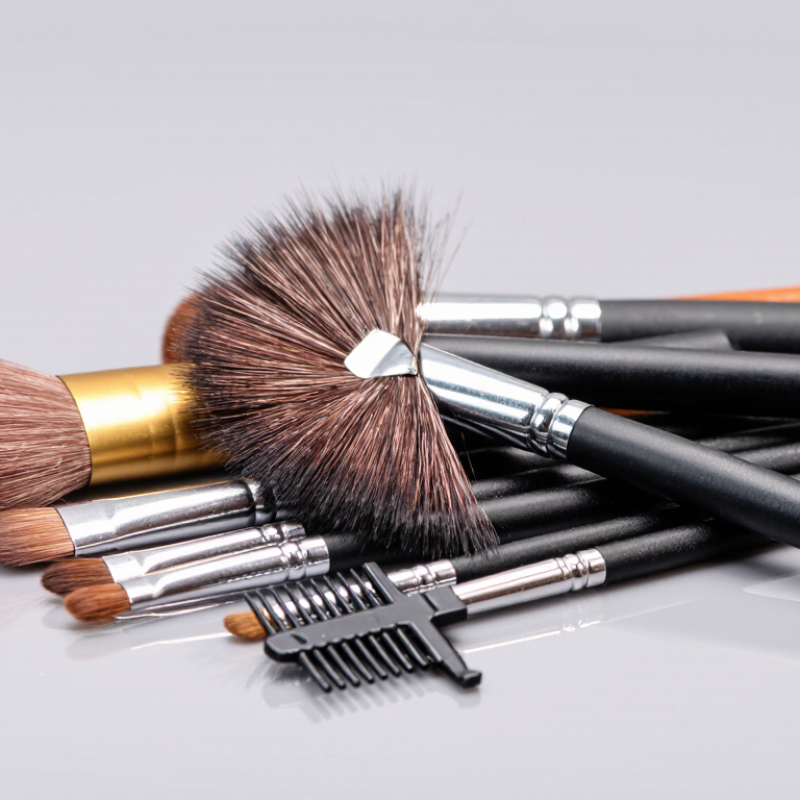
2026 Top Eye Makeup Brushes for Global Buyers

What Defines a Top Eye Makeup Brush in 2026

A top eye makeup brush in 2026 should offer precision, comfort, and dependable performance. Global buyers now examine more than softness. They want stable handles, balanced weight, durable fibers, and clean edge control. A useful blending brush should move smoothly across the crease without scratching delicate skin. A flat shader brush needs enough firmness to place pigment evenly, even when the formula is highly pressed.

Material choice also matters. High-quality synthetic fibers can provide consistent pickup and easier cleaning. They may suit cream and powder products, but performance still depends on fiber shape. Rounded tips support soft transitions. Tapered tips improve detail work. Ferrules should fit tightly, with no visible gaps or movement. Small defects often become larger problems after repeated washing. Still, no brush is perfect. Some shapes work beautifully for hooded eyes but feel awkward on deeper-set eyes. Buyers should test real use, not rely only on attractive product photos.

Tips: Check fiber density with gentle pressure. Look for shedding after several cleaning cycles. Choose a handle that remains secure with damp hands. Ask suppliers for material details, care guidance, and quality-control records. Independent user trials can reveal issues that factory samples hide. A top brush should perform reliably in daily routines, not only during a first impressive application.

2026 Top Eye Makeup Brushes for Global Buyers

What Defines a Top Eye Makeup Brush in 2026?

The 100-point editorial benchmark evaluates the practical qualities global buyers commonly need from an eye makeup brush: precise application, soft and controlled bristles, durable construction, easy cleaning, and comfortable handling. Precision and bristle control receive the highest weighting because they directly affect blending, lining, and detailed eye looks.

Essential Eye Makeup Brush Types and Their Uses

2026 Top Eye Makeup Brushes for Global Buyers

Essential Eye Makeup Brush Types and Their Uses

Eye makeup brushes translate powder, cream, and liquid products into controlled lines and soft edges. A reliable kit begins with understanding each shape, not collecting every available tool. Small choices matter. A flat shader brush presses color onto the eyelid with strong payoff. A smaller version reaches the inner corner and lower lash line. A tapered crease brush places deeper shades into the socket without covering the entire lid. Its pointed tip helps create definition around different eye shapes.

A soft blending brush diffuses harsh borders across the crease and brow bone. Use light pressure and short circular movements. A pencil brush adds precision beneath the lashes, along the outer corner, or inside a smoky look. An angled liner brush creates sharper gel or powder lines. It can also fill sparse brows, although a dedicated brow brush may offer better control. No brush works perfectly for every texture. Dense bristles can move cream products well, but they may disturb a delicate base.

For global buyers, synthetic fibers are practical for consistent performance and easier cleaning. Look for secure ferrules, balanced handles, and bristles that feel smooth against the eyelid. Wash brushes regularly with mild cleanser, then dry them flat. I still sometimes overload a blending brush and create muddy color. That mistake is useful. It shows why removing excess product before application improves precision. Different climates also affect drying time, so brush care should match local humidity and storage conditions.

Brush Materials, Shapes, and Ergonomic Design Features

2026 Top Eye Makeup Brushes for Global Buyers

Brush Materials, Shapes, and Ergonomic Design Features

Material choice affects precision, hygiene, and service life. The 2024 Fortune Business Insights report estimates the global makeup tools market at about USD 2.5 billion in 2023, with continued annual growth. This expansion increases demand for dependable eye brushes, not decorative packaging. Synthetic fibers offer consistent edges and easier cleaning. They also suit buyers seeking predictable performance across different climates. Natural hair can provide a soft, diffused finish, but quality varies between batches. It may also absorb more product. A brush can feel luxurious and still shed. Buyers should inspect fiber alignment, ferrule security, and wash-test results before ordering.

Shape must match the eye area. A flat shader places pigment on the lid. A tapered blender softens the crease without spreading color too widely. A small angled brush supports controlled liner work and brow detailing. Handle design matters during long professional sessions. The 2024 Global Wellness Institute report highlights rising consumer attention to wellness and everyday self-care, making hand comfort a practical selling point. Rounded handles, balanced weight, and textured grip zones reduce slipping. Yet ergonomic claims need testing. Some thick handles suit large hands but feel tiring for smaller users. I would request measured handle diameters, fiber length, and cycle-testing data. Standards are not always consistent across suppliers. That remains a problem.

How Global Buyers Can Compare Quality and Suppliers

2026 Top Eye Makeup Brushes for Global Buyers

Global buyers should compare eye makeup brush suppliers through evidence, not catalogue images. Grand View Research estimates the global makeup tools market will grow steadily through 2030, reflecting stronger demand for precise, reusable application tools. That growth also increases supplier risk. Request bristle specifications, ferrule material, handle coating, and shedding-test results. A dense crease brush should keep its shape after repeated washing. A liner brush should return to a fine point. These details reveal manufacturing discipline.

Ask suppliers for batch records, inspection standards, and sample approval procedures. ISO 9001 certification can indicate controlled processes, but it does not guarantee brush softness or durability. Inspect at least three production batches. Check odor, loose fibers, glue exposure, handle cracks, and ferrule alignment. Independent laboratory testing can verify restricted substances and material safety requirements for target markets. Some suppliers provide impressive certificates. Their traceability may still be weak. That deserves a lower evaluation score.

Tips: Build a weighted comparison sheet. Give durability 30%, material safety 25%, consistency 20%, supplier communication 15%, and price 10%. Test five brushes from each sample set, not one. Record washing cycles and fiber loss. A low unit price may become expensive after customer complaints and replacements. Buyers should also confirm packaging strength, carton dimensions, lead times, and corrective-action response. Circana’s beauty market reports show continued consumer interest in makeup performance, but performance claims still need practical testing. A spreadsheet cannot replace a real hand test.

International Buying, Compliance, Pricing, and Care Factors

For global buyers, the best eye makeup brushes must meet more than softness and shape expectations. Material declarations should identify synthetic fibers, wood, metal, adhesives, and coatings. Suppliers should provide test reports for relevant chemical restrictions and product safety requirements. Labels may need fiber details, country of origin, care instructions, and responsible importer information. Requirements differ across markets, so confirm them before production.

Pricing needs a landed-cost view. Include the brush price, sampling, packaging, inspection, freight, duties, taxes, and possible returns. A low quotation can hide weak ferrules or uneven trimming. Ask for production samples, batch tolerances, and clear defect policies. I once underestimated packaging volume; freight changed the final cost significantly. That mistake still deserves attention.

Tips: Request a compliance file before placing a large order. Check ten brushes from each sample batch. Rub the handle gently and inspect loose fibers. Choose packaging that protects pointed tips without excessive material. After delivery, store brushes dry and ventilated. Wash them with mild cleanser, rinse the ferrule carefully, and dry them flat. Avoid soaking wooden handles. Care instructions should be tested, not copied. Small details matter.

2026 Top Eye Makeup Brushes for Global Buyers - International Buying, Compliance, Pricing, and Care Factors

Brush Type Primary Eye-Makeup Use Recommended Fiber Typical Shape and Size Performance Factors Indicative Export Price* Typical MOQ Range* Key Buyer Checks Care Guidance
Flat Shader Packing powder, cream, or shimmer eyeshadow onto the eyelid Synthetic filament for creams; soft natural hair or synthetic filament for powders Compact, flat ferrule; approximately 6–12 mm head width Color payoff, controlled placement, low shedding, firm but flexible edge US$0.35–1.60 per piece 500–3,000 pieces Check filament density, cut uniformity, ferrule crimping, and suitability for cream formulas Clean after heavy cream use; reshape while damp and dry flat or bristles-down
Blending Brush Softening edges and blending transition shades in the crease Soft synthetic filament or fine natural hair Rounded, tapered dome; approximately 12–20 mm head length Even diffusion, softness, spring-back, and controlled flexibility US$0.45–2.00 per piece 500–3,000 pieces Assess scratchiness, taper consistency, odor, and shedding after repeated washing Use mild brush cleanser; do not soak the ferrule or handle joint
Pencil Brush Precise crease work, lower-lash definition, and targeted smudging Firm synthetic filament or densely packed natural hair Small pointed or rounded tip; approximately 4–8 mm head width Precision, tip retention, controlled pigment placement, and firmness US$0.40–1.80 per piece 500–3,000 pieces Check tip alignment, pointedness, loose fibers, and eye-area comfort Disinfect carefully between users in professional settings; avoid abrasive cleaning
Angled Liner Applying gel, cream, or powder liner and defining brows Firm synthetic filament Thin angled edge; approximately 3–6 mm width Edge sharpness, line control, solvent resistance, and easy cleaning US$0.30–1.40 per piece 500–3,000 pieces Confirm compatibility with waterproof formulas and check edge symmetry Clean immediately after gel or waterproof product use to prevent hardening
Smudge Brush Softening pencil liner and creating smoky effects along the lash line Short, dense synthetic filament or soft natural hair Short rounded or domed head; approximately 5–9 mm width Density, controlled softness, pigment pickup, and edge durability US$0.35–1.60 per piece 500–3,000 pieces Test for scratchiness, color transfer, shedding, and consistent head height Wash frequently because the compact head retains pigment near the lash line
Cut-Crease Brush Placing concealer or eyeshadow along a defined crease Firm, smooth synthetic filament Small tapered or curved tip; approximately 4–8 mm width Precision, controlled product release, clean edge, and low absorption US$0.40–1.80 per piece 500–3,000 pieces Evaluate tip geometry, compatibility with liquid or cream products, and handle balance Rinse promptly after concealer use; avoid leaving product to dry in the tip
Brow and Spoolie Combing brows, separating lashes, and distributing brow gel Nylon or other synthetic bristles Spiral brush with defined bristle spacing; common length 20–30 mm Shape retention, comfortable tips, secure wire core, and hygiene suitability US$0.20–1.10 per piece 1,000–5,000 pieces Check wire ends, bristle tip softness, pull-out resistance, and packaging protection Clean and dry completely; replace disposable applicators according to hygiene policy
International Compliance Priorities
Request material declarations, safety data for coatings or adhesives where applicable, packaging information, and documentation required by the destination market. Cosmetic-tool requirements vary by country; confirm applicable product-safety, labeling, chemical, packaging, and import rules before shipment.
Quality-Control Checkpoints
Approve a pre-production sample, verify dimensions and weight, perform pull and shedding checks, inspect ferrule alignment and handle finish, and conduct repeated-wash testing before approving bulk production.
Pricing and Shipping Notes
*Prices and MOQs are indicative industry ranges for standard, unbranded production and can change with fiber type, handle material, decoration, packaging, testing, order quantity, and trade terms. Freight, duties, taxes, inspection, and tooling are normally quoted separately.

For retail or professional distribution, confirm the final specification, packaging language, country-of-origin marking, carton protection, and destination-market documentation in the purchase contract.

FAQS

What defines a high-quality eye makeup brush in 2026?

It should offer precise application, comfortable handling, and reliable performance. The handle should feel balanced and secure. The fibers should not scratch delicate skin.

Which brush materials are practical for global buyers?

High-quality synthetic fibers provide consistent pickup and easier cleaning. They work with many cream and powder formulas. Natural fibers can feel soft, but quality may vary between batches.

How should buyers match brush shapes with eye makeup tasks?

A flat shader places color evenly on the eyelid. A tapered blender softens crease edges. A small angled brush supports controlled liner and brow detailing.

What should buyers inspect on a brush before ordering?

Check fiber alignment, density, ferrule security, and handle coating. Apply gentle pressure to test the fiber shape. Look for gaps, glue exposure, cracks, and loose hairs.

How can buyers test brush durability?

Wash samples repeatedly and record fiber loss after each cycle. A good liner brush should return to a fine point. Real testing reveals problems that product photos hide.

What handle features improve everyday comfort?

Balanced weight, rounded shapes, and textured grip areas can reduce slipping. The handle should remain secure with damp hands. Thick handles may suit large hands but tire smaller users.

How should buyers compare different suppliers?

Request material details, batch records, inspection standards, and care instructions. Test at least five brushes from each sample set. One attractive sample proves very little.

Can quality certificates guarantee a good brush?

No. Certificates may show controlled processes, but they cannot guarantee softness or durability. Buyers should inspect several production batches. Traceability can still be weak.

What costs should buyers consider beyond the unit price?

Include testing, packaging, delivery, replacements, and possible customer complaints. A low price may become expensive later. The spreadsheet helps, but hand testing remains necessary.

Conclusion

In 2026, top Eye Makeup Brushes are defined by precision, comfort, durability, and consistent performance. A complete selection should include blending, shading, crease, liner, smudge, and angled brushes, with each shape designed for a specific makeup task. Soft yet resilient fibers, secure ferrules, balanced handles, and ergonomic grips help users achieve controlled application while reducing fatigue. Brush density, taper, flexibility, and edge definition also influence how smoothly products are placed and blended.

For global buyers, comparing suppliers requires careful evaluation of material specifications, workmanship, quality control, production capacity, packaging, and communication. Buyers should request samples, confirm testing and documentation, and assess whether products meet the intended market’s safety and labeling expectations. Pricing should be reviewed alongside minimum order quantities, customization, shipping, taxes, and lead times rather than judged by unit cost alone. Proper cleaning guidance, protective packaging, and moisture-resistant storage can further extend brush life and preserve performance throughout international distribution.

Oliver

Oliver

Oliver is a marketing professional who combines a strong understanding of the company’s products with a clear, customer-focused approach to communication. He regularly contributes expert articles to the company website, helping readers understand product features, compare relevant options, and make......